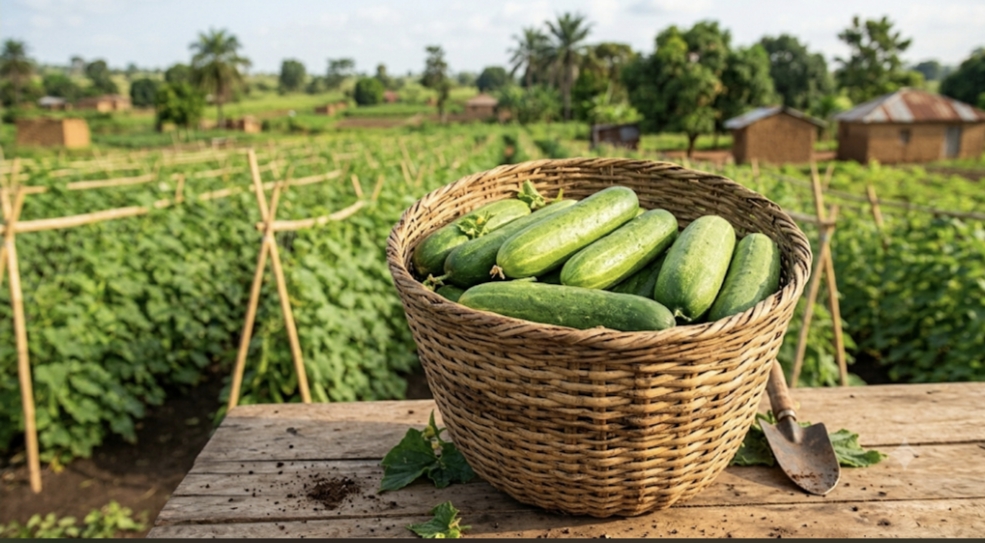
Growing cucumber at home is one of the easiest and most rewarding ways to produce fresh vegetables for your family. Cucumber plants grow quickly, require relatively little space, and can produce a good harvest when provided with adequate sunlight, water, nutrients, and support.
Whether you have a backyard, small garden, balcony, terrace, or a few containers, you can successfully grow cucumbers at home. With proper planning and care, you can begin harvesting fresh cucumbers within a few weeks after planting, depending on the variety and growing conditions.
This comprehensive guide explains everything you need to know about how to grow cucumber at home, from selecting seeds and preparing the soil to planting, watering, fertilizing, supporting the vines, controlling pests and diseases, and harvesting.
What Is Cucumber?
Cucumber (Cucumis sativus) is a fast-growing vegetable belonging to the Cucurbitaceae family, which also includes watermelon, pumpkin, squash, and melon.
Cucumber fruits are commonly eaten fresh in salads, sandwiches, and meals. They can also be used for pickling, juice production, smoothies, and other food products.
Cucumber is particularly suitable for home gardening because it develops rapidly and can produce several fruits from a relatively small growing area when trained vertically.
Why Grow Cucumber at Home?
There are several reasons why cucumber is an excellent crop for home gardeners.
Fresh and Healthy Food
Growing cucumber at home gives you access to fresh vegetables that can be harvested when they are at their best. You also have greater control over how the crop is grown and what agricultural inputs are used.
Cucumber Requires Relatively Little Space
Although cucumber vines can spread across the ground, they can be trained vertically using trellises, sticks, ropes, or other supports. This makes cucumber suitable for small gardens and container production.
Fast-Growing Crop
Cucumber is generally a fast-growing vegetable. Under favorable conditions, some varieties can begin producing harvestable fruits within several weeks after planting.
Suitable for Containers
You do not necessarily need a large piece of land to grow cucumber. Large buckets, grow bags, containers, and other suitable planting vessels can be used.
Potential Source of Income
If you have sufficient space, home cucumber production can also develop into a small commercial vegetable-growing business. Surplus cucumbers can be sold to neighbors, restaurants, food vendors, and local markets.
Best Conditions for Growing Cucumber
Cucumbers perform best when their basic environmental requirements are properly provided.
The major requirements include:
- Adequate sunlight
- Warm temperatures
- Fertile and well-drained soil
- Consistent moisture
- Good air circulation
- Adequate nutrients
- Proper support for climbing varieties
- Effective pest and disease management
Understanding these requirements before planting can significantly improve your chances of getting a good harvest.
Choosing the Right Cucumber Variety
One of the first decisions to make is selecting a suitable cucumber variety.
Different cucumber varieties have different growth habits, fruit sizes, shapes, colors, maturity periods, and resistance to diseases.
Bush Cucumber
Bush cucumber varieties have a more compact growth habit. They are particularly useful for containers, small gardens, and locations where there is limited space.
Vining Cucumber
Vining varieties produce long stems and are commonly grown using trellises or other supports. They can produce good yields when properly managed.
Slicing Cucumber
Slicing cucumbers are generally grown for fresh consumption. They are commonly used in salads, sandwiches, and other meals.
Pickling Cucumber
Pickling varieties are often smaller and are specifically suited to preservation through pickling.
For home gardening, choose a variety that is adapted to your local climate and available space.
How to Select Good Cucumber Seeds
Good seeds are essential for successful cucumber production.
Purchase seeds from a reputable agricultural supplier rather than using old or poorly stored seeds.
Look for seeds that:
- Are from a reliable source
- Have good germination potential
- Are suitable for your climate
- Have clear packaging information
- Are appropriate for container or garden production
- Have resistance to common diseases where available
Avoid seeds that appear damaged, moldy, excessively old, or poorly stored.
Choosing the Best Location
Cucumber plants need plenty of sunlight to grow vigorously and produce fruits.
Select an area that receives several hours of direct sunlight every day.
The location should also have:
- Good drainage
- Protection from severe winds
- Easy access to water
- Adequate space for vine development
- Good air circulation
Avoid planting cucumber in areas where water regularly accumulates after rainfall or irrigation.
Preparing the Soil
Cucumber grows best in fertile, loose, well-drained soil containing plenty of organic matter.
Before planting, remove weeds, stones, plastics, roots, and other unwanted materials from the growing area.
Loosen the soil to allow cucumber roots to develop properly.
You can improve the soil by incorporating well-decomposed compost or organic manure.
Fresh manure should generally be avoided because it can damage young roots and may introduce unwanted pathogens or weed seeds.
Ideal Soil Conditions
Cucumber prefers soil that drains well while still retaining enough moisture for healthy plant growth.
The soil should not remain waterlogged because excessive moisture around the roots can encourage root diseases.
If your soil is heavy clay, incorporate suitable organic matter and consider using raised beds to improve drainage.
If your soil is excessively sandy, organic matter can help improve its ability to retain moisture and nutrients.
Growing Cucumber in Containers
Container gardening is an excellent option for people who do not have a large garden.
Choose a container that is sufficiently large and has drainage holes at the bottom.
A large bucket, grow bag, plastic container, or purpose-made garden pot can be used, provided it has adequate drainage.
Preparing the Container
Fill the container with a good-quality growing medium containing fertile soil and well-decomposed organic matter.
Do not fill the container completely to the top. Leave some space to make watering easier.
Ensure that excess water can drain freely through the holes.
How Many Cucumber Plants Per Container?
Avoid overcrowding.
A large container may accommodate one vigorous cucumber plant, while smaller compact varieties may have different requirements. Always follow the spacing recommendations provided for the specific seed variety.
Overcrowding can increase competition for nutrients, water, sunlight, and air circulation.
How to Plant Cucumber Seeds
Cucumber seeds can be planted directly into the soil or started in containers before transplanting.
Direct sowing is often convenient because cucumber does not always require extensive nursery management.
Make a shallow planting hole and place the seed into the soil according to the recommended planting depth on the seed package.
Cover the seed lightly with soil and water gently.
Avoid flooding the planting area because excessive water can disturb the seed or cause poor germination.
Starting Cucumber in a Nursery
If you want greater control over early plant development, you can start cucumber seeds in small nursery containers.
Fill the nursery containers with a clean, well-drained growing medium.
Plant the seeds shallowly and keep the medium consistently moist.
Place the nursery in a warm location with adequate light.
Once the seedlings have developed several healthy leaves and are strong enough for transplanting, move them carefully to their final growing location.
Take care not to damage the roots during transplanting.
Cucumber Plant Spacing
Proper spacing is important because cucumber plants require sufficient room for their roots, leaves, and vines.
Spacing requirements vary according to variety and whether the plants are grown on the ground or trained vertically.
For home gardening, follow the spacing recommendations supplied with your chosen seed.
Vertical training can allow gardeners to use space more efficiently than allowing vines to spread across the ground.
How Much Sunlight Does Cucumber Need?
Cucumber is a sun-loving crop.
Place the plants in an area where they receive plenty of direct sunlight during the day.
Insufficient sunlight can result in weak growth, fewer flowers, and reduced fruit production.
If you are growing cucumber in containers, position them where buildings, walls, or trees will not shade them for most of the day.
Watering Cucumber Plants
Water is one of the most important factors in cucumber production.
Cucumber fruits contain a high proportion of water, and the plant needs consistent moisture throughout its growing period.
Water the plants when the soil begins to dry, particularly during hot weather.
However, avoid keeping the soil permanently saturated.
Best Time to Water
Early morning is generally a good time to water cucumber plants.
Water at the base of the plant rather than repeatedly wetting the leaves.
Watering the foliage, especially late in the day, can increase moisture around the leaves and potentially encourage fungal diseases.
Mulching Cucumber Plants
Mulching can be highly beneficial.
Organic materials such as dry grass, straw, leaves, or other suitable mulch can be placed around the base of the plants.
Mulch helps to:
- Reduce moisture loss
- Suppress weeds
- Protect the soil surface
- Moderate soil temperature
- Reduce soil splashing onto leaves and fruits
Keep mulch slightly away from the plant stem to reduce the risk of stem-related problems.
Fertilizing Cucumber
Cucumber plants require nutrients for vigorous vegetative growth, flowering, and fruit production.
Compost or well-decomposed organic manure can provide useful nutrients and improve soil structure.
Where necessary, an appropriate vegetable fertilizer can also be used according to the manufacturer's instructions.
Avoid applying excessive nitrogen because it can encourage excessive leaf growth at the expense of fruit production.
A balanced fertilization program should consider the soil condition and growth stage of the crop.
Supporting Cucumber Vines
One of the most effective ways to grow cucumber at home is to train the vines vertically.
A trellis can be made using:
- Wooden stakes
- Bamboo poles
- Strong ropes
- Wire
- Garden netting
- Metal supports
Training the cucumber vertically keeps the vines and fruits off the ground.
Benefits of Trellising
Trellising can:
- Save space
- Improve air circulation
- Keep fruits cleaner
- Make harvesting easier
- Reduce contact with wet soil
- Make it easier to inspect the plant for pests and diseases
For small home gardens, vertical cultivation can make a major difference.
How to Train Cucumber Plants
As the cucumber vine grows, gently guide the stems toward the trellis.
Use soft ties where necessary.
Avoid tying the stems too tightly because this can restrict growth or damage the plant.
As the vine develops, continue guiding it upward and along the support structure.
Pollination in Cucumber
Pollination is essential for fruit production in many cucumber varieties.
Cucumber flowers are commonly pollinated by insects such as bees.
If flowers appear but fruits do not develop, poor pollination may sometimes be responsible.
To encourage pollination, avoid unnecessarily disturbing flowering plants and maintain a garden environment that supports beneficial pollinating insects.
Hand Pollination
If natural pollination is inadequate, hand pollination can sometimes help.
A small clean brush or cotton swab can be used to transfer pollen between appropriate flowers.
This can be particularly useful for container gardens, balconies, screened environments, or locations where few pollinating insects are present.
Common Cucumber Pests
Cucumber plants can be attacked by several pests.
Common problems include:
- Aphids
- Whiteflies
- Cucumber beetles
- Spider mites
- Caterpillars
- Thrips
Regularly inspect the leaves, stems, flowers, and developing fruits.
Early detection makes pest management much easier.
Managing Cucumber Pests Naturally
For a small home garden, begin with simple integrated pest management practices.
Remove heavily infested leaves where appropriate and manually remove larger pests.
Encourage beneficial insects and maintain good garden hygiene.
Avoid spraying pesticides unnecessarily, especially during flowering when pollinating insects are active.
If a pesticide is required, use a product legally approved for the crop and follow the label instructions carefully.
Common Cucumber Diseases
Cucumber can be affected by several diseases, particularly when growing conditions are humid and air circulation is poor.
Common diseases include:
- Powdery mildew
- Downy mildew
- Anthracnose
- Bacterial wilt
- Root and stem diseases
- Various viral diseases
Symptoms may include yellowing leaves, white powdery growth, leaf spots, wilting, distorted growth, or poor fruit development.
How to Prevent Cucumber Diseases
Prevention is often more effective than trying to control an established disease.
Use healthy seeds and planting materials.
Provide adequate spacing between plants.
Avoid excessive irrigation.
Water the soil rather than repeatedly wetting the foliage.
Remove severely diseased plant material where appropriate.
Do not repeatedly grow cucumbers and closely related crops in exactly the same location without considering crop rotation.
Good sanitation and air circulation can significantly reduce disease pressure.
Weed Management
Weeds compete with cucumber plants for water, nutrients, sunlight, and growing space.
Remove weeds regularly, particularly during the early stages of cucumber growth.
Hand weeding is often sufficient for a small home garden.
Mulching can also reduce weed emergence and make garden maintenance easier.
When removing weeds, avoid damaging cucumber roots.
Pruning Cucumber Plants
Pruning requirements vary according to cucumber variety and growing system.
For many home gardens, excessive pruning is unnecessary.
Remove damaged, dead, or severely diseased leaves when appropriate.
If you are training a vigorous vine vertically, carefully manage excessive growth so that the plant remains organized and receives adequate air circulation.
Avoid removing large amounts of healthy foliage unnecessarily because leaves are essential for photosynthesis.
How Long Does Cucumber Take to Grow?
The time required for cucumber to produce harvestable fruits varies according to the variety, climate, soil fertility, watering, sunlight, and general management.
Some early varieties can begin producing within several weeks after planting, while others require longer.
The seed packet normally provides an estimated maturity period.
Instead of relying only on the number of days after planting, observe the fruits and harvest them when they reach the appropriate size and quality for the variety.
How to Know When Cucumber Is Ready for Harvest
Cucumbers are generally best harvested while they are still young and tender.
Signs of harvest readiness include:
- Appropriate size for the variety
- Firm texture
- Good color
- Smooth or properly developed skin
- No signs of excessive aging
Do not allow fruits to remain on the plant for too long unless you specifically want mature seed fruits.
Regular harvesting can encourage continued production in many cucumber plants.
How to Harvest Cucumber
Use a clean knife, scissors, or pruning shears to cut mature fruits from the vine.
Avoid pulling or twisting the cucumber aggressively because this can damage the plant.
Harvest regularly, especially during periods of rapid production.
Morning harvesting can help maintain freshness, particularly in hot weather.
How to Increase Cucumber Yield at Home
Several practices can improve cucumber production.
Provide Adequate Sunlight
Make sure plants receive sufficient direct sunlight.
Maintain Consistent Moisture
Avoid severe cycles of drought followed by excessive watering.
Use Fertile Soil
Incorporate good-quality organic matter before planting.
Trellis the Vines
Vertical cultivation can improve space utilization and make plant management easier.
Harvest Regularly
Do not allow mature fruits to remain on the plant unnecessarily.
Control Pests Early
Inspect plants frequently and address pest problems before they become severe.
Encourage Pollination
Maintain conditions that support bees and other beneficial pollinators.
Common Mistakes When Growing Cucumber at Home
Beginners often make several avoidable mistakes.
Overwatering
Too much water can cause root problems and encourage diseases.
Poor Drainage
Cucumber roots do not perform well in permanently waterlogged soil.
Insufficient Sunlight
Growing cucumber in heavy shade can result in weak growth and poor production.
Overcrowding
Too many plants in a small space can increase competition and disease pressure.
Excessive Fertilizer
Too much fertilizer, particularly nitrogen, can encourage excessive foliage.
Poor Support
Vining cucumber plants can become difficult to manage when they are left to grow randomly on the ground.
Irregular Harvesting
Allowing fruits to become excessively mature can reduce the quality of the crop and may affect continued production.
Growing Cucumber During the Rainy Season
Cucumber can be grown during rainy periods, but excessive rainfall can create challenges.
Heavy rainfall can cause:
- Waterlogging
- Nutrient leaching
- Fungal diseases
- Root problems
- Soil erosion
- Reduced pollination activity
Raised beds, good drainage, proper spacing, and trellising can help reduce some of these problems.
Avoid planting cucumber in areas where rainwater regularly accumulates.
Growing Cucumber During the Dry Season
Dry-season cucumber production can be highly successful when adequate irrigation is available.
The major challenge is maintaining consistent soil moisture.
Mulching can reduce evaporation, while drip irrigation or controlled watering can improve water management.
Avoid allowing the plants to experience severe water stress, particularly during flowering and fruit development.
How to Grow Cucumber in a Balcony
Cucumber can be grown successfully on a balcony if sufficient sunlight and suitable containers are available.
Choose a compact variety where possible.
Use a large container with drainage holes and install a vertical support system.
Place the container in the sunniest safe location available.
Regularly monitor moisture because containers can dry out faster than garden soil.
How to Grow Cucumber in a Small Backyard
For a small backyard, consider using raised beds and vertical trellises.
Plant cucumber where it can receive adequate sunlight.
Train the vines upward instead of allowing them to occupy large areas of ground.
This allows you to combine cucumber production with other vegetables while making better use of limited space.
Can Cucumber Be Grown From Store-Bought Cucumber?
It is technically possible to collect seeds from a mature cucumber, but this is not always the best approach.
Commercial cucumbers may be hybrids, and seeds saved from hybrid fruits may not produce plants with the same desirable characteristics as the parent plant.
For reliable home production, quality seeds from a reputable supplier are generally preferable.
How to Store Freshly Harvested Cucumbers
After harvesting, handle cucumbers carefully to avoid bruising.
Keep them clean and dry and store them under suitable conditions for short-term preservation.
Avoid exposing cucumbers to unnecessary heat and direct sunlight after harvesting.
For the best eating quality, use freshly harvested cucumbers as soon as reasonably possible.
Is Growing Cucumber at Home Profitable?
Growing cucumber at home can reduce household vegetable expenses and provide surplus produce for sale.
Profitability depends on factors such as:
- Seed cost
- Fertilizer and manure costs
- Water costs
- Pest management
- Labor
- Number of plants
- Yield per plant
- Selling price
- Market demand
If you consistently produce more cucumbers than your household consumes, selling the surplus can turn a home garden into a small income-generating activity.
Simple Cucumber Production Schedule
A basic home-growing schedule can be organized as follows:
Week 1: Select seeds, prepare soil or containers, and plant.
Week 2: Monitor germination, moisture, weeds, and early plant development.
Week 3: Thin overcrowded seedlings where necessary and begin installing supports.
Week 4: Train vines onto the trellis and monitor pests and diseases.
Week 5 onward: Continue watering, feeding, training, pest monitoring, and harvesting as fruits mature.
The exact timing varies depending on cucumber variety and environmental conditions.
Frequently Asked Questions About Growing Cucumber at Home
Can I grow cucumber in a bucket?
Yes. Cucumber can be grown successfully in a sufficiently large bucket provided it has adequate drainage, fertile growing media, sufficient sunlight, water, and appropriate support.
How often should cucumber be watered?
Watering frequency depends on temperature, soil type, container size, rainfall, and plant development. The goal is to maintain consistent moisture without keeping the roots waterlogged.
Does cucumber need full sun?
Cucumber generally performs best in a sunny location with plenty of direct sunlight.
Can cucumber grow without a trellis?
Yes, cucumber can grow along the ground, but trellising is often advantageous because it saves space, improves air circulation, and keeps fruits away from wet soil.
Why are my cucumber flowers falling off?
Flower drop can result from several factors, including poor pollination, environmental stress, excessive heat, water stress, or natural differences between male and female flowers.
Why are cucumber leaves turning yellow?
Yellow leaves can result from several causes, including nutrient deficiencies, overwatering, poor drainage, pests, diseases, or natural aging of older leaves. Inspect the entire plant before deciding on a treatment.
How can I get more cucumbers from one plant?
Provide adequate sunlight, consistent moisture, fertile soil, proper support, good pollination conditions, and regular harvesting. Also monitor the plant closely for pests and diseases.
Final Thoughts
Growing cucumber at home is a practical and rewarding gardening activity that does not require a large farm. With quality seeds, fertile soil, adequate sunlight, proper watering, good drainage, regular feeding, and effective pest management, beginners can successfully produce fresh cucumbers in backyards, gardens, containers, balconies, and other small spaces.
The most important principle is consistency. Cucumber plants grow rapidly, so regular monitoring is essential. Check the plants frequently, guide the vines, maintain soil moisture, remove weeds, watch for pests and diseases, and harvest fruits at the right stage.
For gardeners in warm regions such as Nigeria and other parts of Africa, cucumber can be a particularly useful home vegetable because of its relatively fast growth and strong demand. With good management, a simple home cucumber garden can provide nutritious food for the family while also creating an opportunity to generate additional income from surplus production.
Read more;
- Poultry Meat Benefits to Humanity: Complete Guide to Its Nutritional, Economic and Social Importance

- Tilapia Farming: Complete Guide to Raising Tilapia for Commercial Production

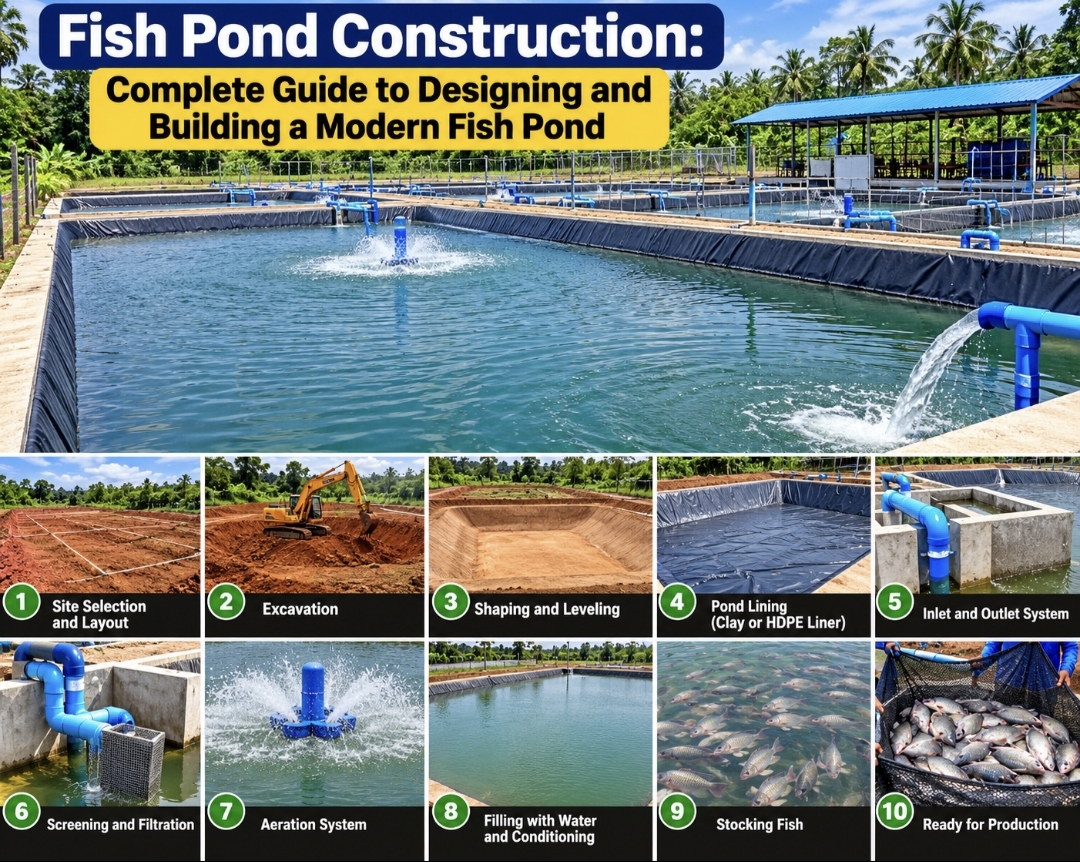
- Fish Pond Construction: Complete Guide to Designing and Building a Modern Fish Pond

- Grazing Livestock Farming Business: Complete Guide to Starting and Making Profit

- Commercial Cattle Farming: Complete Guide to Raising Cattle for Profit