How Innovation Is Transforming Farming into a Billion-Dollar Opportunity
INTRODUCTION
Agriculture has long been one of the most important sectors of the global economy. For thousands of years, it has provided food, industrial raw materials, employment, and economic stability for millions of people. Today, however, agriculture has evolved far beyond traditional farming methods. It is now a technology-driven industry with the potential to generate substantial income for farmers, entrepreneurs, and investors.
Modern agriculture integrates scientific research, mechanization, digital technologies, improved crop varieties, and sustainable farming practices to enhance productivity and profitability.
As the global population continues to grow, demand for food, livestock products, fruits, vegetables, and agricultural raw materials continues to rise.
This expanding demand creates significant opportunities for individuals and organizations willing to invest in modern farming.
In many countries, including Nigeria, agriculture is emerging as one of the fastest-growing sectors because governments, financial institutions, and private investors increasingly recognize its economic value.
Modern farmers are no longer viewed merely as food producers; they are business operators who leverage innovation to maximize yields, reduce costs, and access both local and international markets.
Whether the focus is crop production, livestock farming, aquaculture, horticulture, agribusiness, or agricultural technology, modern agriculture offers multiple pathways to build a profitable and sustainable enterprise.
UNDERSTANDING MODERN AGRICULTURE
Modern agriculture refers to the use of advanced technology, scientific research, and efficient management practices in agricultural production.
Unlike traditional farming, which often depends on manual labor and rainfall, modern agriculture applies improved methods to increase productivity while conserving resources.
Some of the key features of modern agriculture include:
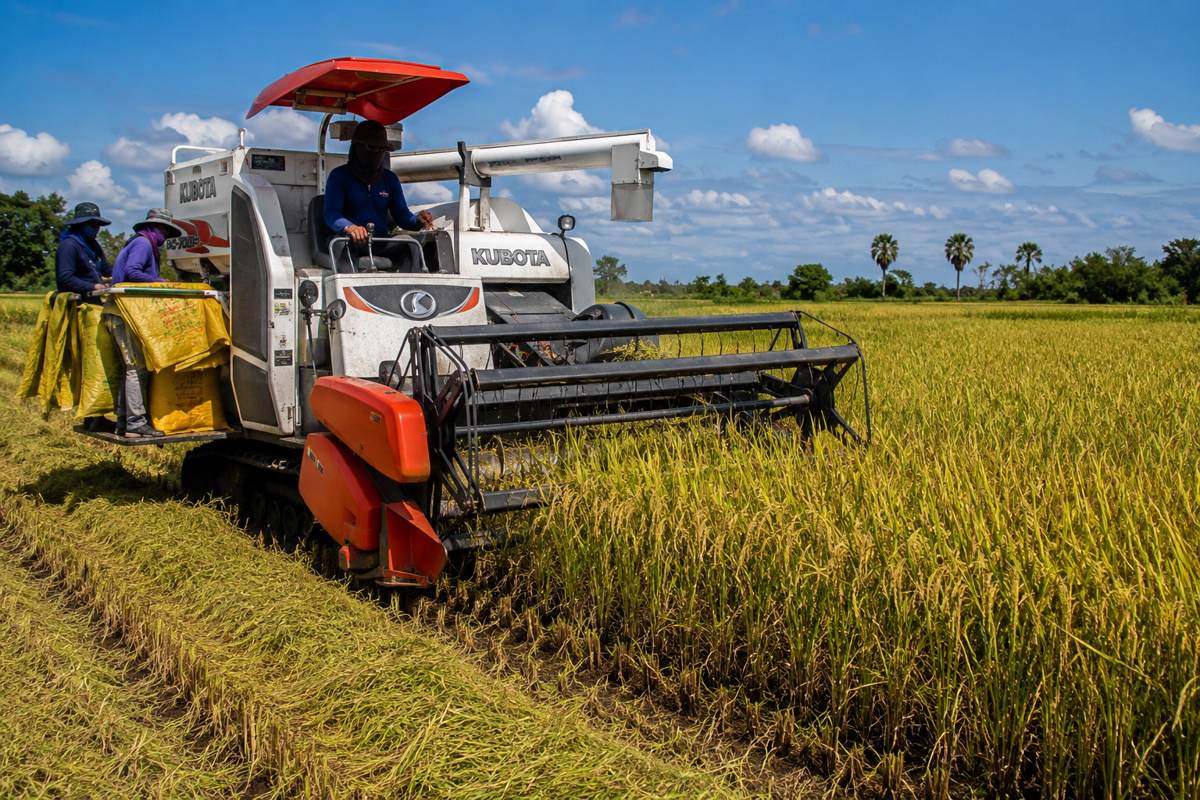
- Mechanized farming using tractors, planters, harvesters, and irrigation systems.
- Improved seeds and planting materials with higher yields and greater resistance to disease.
- Precision farming using GPS, drones, sensors, and satellite imagery.
- Greenhouse farming for year-round production.
- Modern livestock management with improved breeding, nutrition, and veterinary care.
- Digital platforms for marketing agricultural products.
- Sustainable practices that protect soil, water, and biodiversity.
These innovations enable farmers to produce more food on smaller areas of land while reducing waste and improving profitability.
WHY MODERN AGRICULTURE GENERATES HIGH INCOME?

Modern agriculture is highly profitable because it emphasizes efficiency and value creation rather than production alone.
Higher crop yields allow farmers to harvest more produce from the same piece of land. Improved seeds, proper fertilization, irrigation, and pest management all contribute to significantly higher productivity.
Modern equipment reduces labor costs and enables farmers to complete operations more quickly. Mechanization also improves the quality and consistency of production.
Technology helps farmers monitor weather conditions, detect crop diseases early, manage irrigation efficiently, and make informed business decisions based on data.
Another major advantage is value addition. Instead of selling raw agricultural products, entrepreneurs can process them into higher-value goods. Cocoa can be transformed into chocolate or cocoa powder, cassava can be processed into flour or starch, and fresh fruits can be converted into juices, dried snacks, or packaged products.
Access to export markets also creates opportunities for higher earnings. Agricultural commodities such as cocoa, cashew nuts, sesame seeds, ginger, shea butter, and palm oil enjoy strong international demand.
PROFITABLE AREAS OF MODERN AGRICULTURE
Modern agriculture presents opportunities across a wide range of sectors.
Crop Farming.

Commercial cultivation of crops such as cocoa, maize, rice, cassava, coconut, oil palm, vegetables, fruits, and spices can generate substantial income when modern farming techniques are applied.
Livestock Farming
Poultry production, cattle farming, goat rearing, sheep farming, pig farming, and rabbit production continue to expand due to rising demand for meat, milk, and eggs.
Fish Farming
Aquaculture has become one of the fastest-growing agricultural businesses. Fish farming provides an efficient source of protein while offering attractive returns for well-managed operations.
Greenhouse Farming.
Greenhouse technology enables farmers to grow tomatoes, cucumbers, peppers, lettuce, strawberries, and herbs throughout the year, regardless of weather conditions. This often results in higher prices during periods of limited supply.
HORTICULTURE

Flowers, ornamental plants, fruits, herbs, and vegetables are in strong demand from households, hotels, restaurants, supermarkets, and export markets.
AGROFORESTRY

Growing economic trees such as cocoa, coconut, cashew, mango, citrus, and oil palm provides long-term income while supporting environmental sustainability.
TECHNOLOGY DRIVING MODERN AGRICULTURE
Technology has transformed agriculture into one of the world’s most innovative industries.
Drones help farmers monitor crop health, identify pest infestations, and estimate yields. GPS-guided equipment improves planting accuracy and reduces waste. Smart irrigation systems conserve water while maintaining optimal soil moisture.
Artificial intelligence is increasingly being used to predict crop diseases, recommend fertilizer application, estimate market demand, and improve farm management decisions.
Mobile applications now provide weather forecasts, market prices, farm management tools, financial services, and online marketplaces that connect farmers directly with buyers.
Digital payment systems and e-commerce platforms have also made it easier for agricultural entrepreneurs to reach customers beyond their local communities.
MODERN AGRICULTURE IN NIGERIA
Nigeria has enormous agricultural potential due to its favorable climate, fertile soils, and large domestic market.
Major profitable agricultural products include cocoa, oil palm, cassava, rice, maize, sesame, ginger, cashew, coconut, poultry, fish, vegetables, and fruits.
Government initiatives, agricultural research institutions, commercial banks, and development organizations continue to introduce programs that support farmers through training, improved seeds, mechanization, and access to finance.
Young entrepreneurs are increasingly entering agriculture by combining farming with technology, digital marketing, processing, and logistics, creating businesses that extend far beyond primary production.
Modern agriculture therefore represents not only an opportunity to produce food, but also a pathway to entrepreneurship, job creation, export earnings, and national economic development.
HOW TO START A SUCCESSFUL MODERN AGRICULTURAL BUSINESS
Building a profitable agricultural enterprise requires careful planning, market research, and a commitment to continuous improvement. Like any successful business, farming should begin with a clear vision, defined objectives, and a practical business plan.
The first step is identifying a profitable agricultural niche that matches your available resources, skills, and market demand. Entrepreneurs should evaluate local and international demand before deciding whether to invest in crop production, livestock farming, aquaculture, greenhouse cultivation, or agro-processing.
LOCATION IS ANOTHER IMPORTANT FACTOR
The availability of fertile land, access to water, transportation networks, electricity, and nearby markets can significantly influence the success of an agricultural business.
Farmers should also invest in quality inputs such as certified seeds, healthy seedlings, improved livestock breeds, organic or inorganic fertilizers, irrigation systems, and modern equipment.
Although these investments may require higher initial capital, they often lead to better yields, lower production costs, and higher profits over time.
Keeping accurate farm records is equally essential. Recording production costs, sales, labor expenses, fertilizer application, and harvest quantities enables farmers to evaluate performance, identify areas for improvement, and make informed business decisions.
DIVERSIFYING INCOME STREAMS
One of the most effective ways to increase profitability is by diversifying income sources. Relying on a single product exposes farmers to market fluctuations, disease outbreaks, and unpredictable weather conditions.
For example, a cocoa farmer can also cultivate plantain, coconut, or cassava between cocoa trees during the early years of plantation establishment. Livestock farmers can generate additional income through egg production, breeding services, manure sales, or feed production.
Value addition further enhances profitability. Instead of selling raw produce, agricultural entrepreneurs can process their products into finished or semi-finished goods. Examples include producing palm oil from oil palm fruits, coconut oil from coconuts, cassava flour from cassava roots, smoked fish from fresh fish, or packaged spices from dried herbs.
Branding, attractive packaging, and quality control enable producers to access premium markets and command better prices.
MARKETING AGRICULTURAL PRODUCTS
Effective marketing is just as important as production. Even high-quality products may fail to generate expected income without a strong marketing strategy.
Modern farmers should utilize both traditional and digital marketing channels. Local markets, supermarkets, restaurants, food processors, exporters, and wholesalers all represent potential customers.
Digital platforms have made agricultural marketing easier than ever before. Businesses can use professional websites, social media platforms, online marketplaces, and mobile applications to showcase products, communicate with customers, and receive orders from different locations.
Building a trusted brand through consistent quality, timely delivery, and excellent customer service encourages repeat purchases and long-term business relationships.
FINANCING AND GOVERNMENT SUPPORT
As global demand for agricultural products continues to rise, the opportunities within the sector will continue to expand.
Individuals, investors, and young entrepreneurs who invest in modern agriculture today are not merely building farms—they are building businesses that can create employment, generate wealth, improve livelihoods, and shape the future of agriculture for generations to come.
Access to finance remains one of the major challenges facing agricultural entrepreneurs. Fortunately, governments, development agencies, commercial banks, and microfinance institutions continue to introduce financial support programs for the agricultural sector.
These programs may include low-interest loans, grants, subsidized farm inputs, technical training, mechanization support, and agricultural insurance.
Entrepreneurs seeking financial assistance should maintain proper business records, prepare realistic business plans, and comply with relevant regulatory requirements. Well-managed farms are more likely to attract investors and qualify for financing opportunities.
COMMON MISTAKES TO AVOID
Many agricultural businesses fail because of poor planning rather than poor farming practices.
Common mistakes include:
✓Starting without conducting market research.
✓Using poor-quality seeds or planting materials.
✓Ignoring soil testing and proper land preparation.
✓Failing to keep financial records.
✓Neglecting pest and disease management.
✓Depending entirely on rainfall without considering irrigation.
✓Selling products immediately after harvest when prices are lowest.
✓Ignoring branding and marketing.
✓Avoiding these mistakes can greatly improve productivity and long-term profitability.
THE FUTURE OF MODERN AGRICULTURE
The future of agriculture is increasingly shaped by technology, sustainability, and innovation.
Artificial intelligence, robotics, biotechnology, precision farming, climate-smart agriculture, renewable energy, and digital marketplaces are expected to transform food production over the coming decades.
Consumers are also demanding healthier foods, traceable supply chains, environmentally responsible production methods, and higher-quality agricultural products. Farmers who embrace innovation and adapt to changing market conditions will be better positioned to succeed.
For developing countries such as Nigeria, modern agriculture has the potential to reduce unemployment, improve food security, increase export earnings, strengthen rural economies, and contribute significantly to national economic growth.
CONCLUSION
Modern agriculture has become one of the most promising industries for wealth creation in the twenty-first century. Through the adoption of advanced technology, scientific farming methods, efficient management practices, and value-added processing, farmers can achieve significantly higher productivity and income than ever before.
Success in modern agriculture requires more than cultivating crops or raising livestock. It demands business planning, continuous learning, innovation, financial discipline, and a strong understanding of market dynamics. Entrepreneurs who embrace these principles can build sustainable agricultural enterprises capable of generating substantial income while contributing to food security and economic development.