Summary
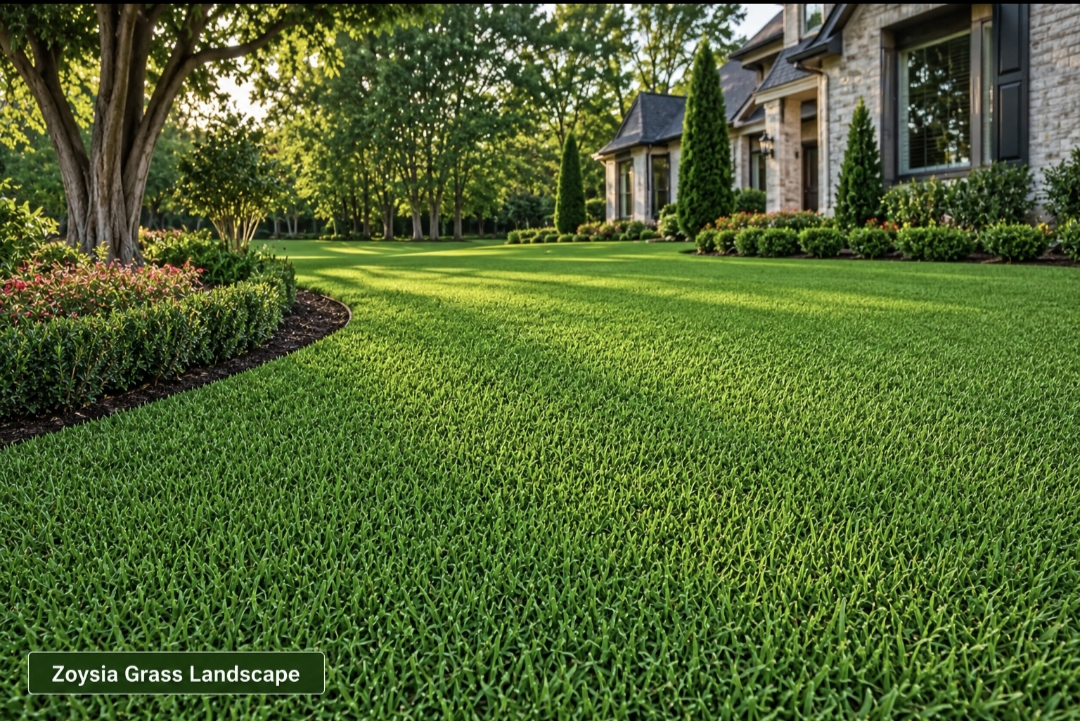
Lawn dwarf grass is a group of short-growing grass varieties commonly used to create attractive, dense, green lawns around homes, offices, hotels, schools, recreational facilities, gardens, sports areas and other landscapes. Unlike tall pasture grasses, dwarf lawn grasses are selected primarily for their ability to remain relatively short, spread across the soil surface and produce a uniform carpet-like appearance.
A well-established dwarf grass lawn can significantly improve the appearance of a property while helping to reduce soil erosion, dust and mud. Depending on the variety, some dwarf grasses can tolerate intense sunlight, high temperatures, moderate drought, heavy foot traffic or partial shade.
For homeowners, landscapers, gardeners and property developers, choosing the right dwarf grass is important because grass performance depends greatly on climate, soil type, sunlight, watering, maintenance and intended use.
This guide explains what lawn dwarf grass is, its major types, climate tolerance, purposes, planting methods, maintenance requirements and factors to consider before establishing a lawn.
What Is Lawn Dwarf Grass?
Lawn dwarf grass refers to grass varieties or cultivars that naturally grow relatively short or are specifically selected and maintained for a low-growing lawn. These grasses usually spread horizontally through stolons, rhizomes or both, allowing them to gradually cover bare soil and form a dense turf.
The term "dwarf grass" does not necessarily refer to one specific species. Instead, it can describe different low-growing grass varieties used for landscaping and turf production.
Some dwarf grasses are established from seeds, while others are propagated using sod, plugs, sprigs or runners. The best establishment method depends on the particular grass variety.
A good dwarf lawn should ideally have:
- Dense and uniform growth
- Good tolerance to local weather conditions
- Strong root development
- Attractive green colour
- Good recovery after mowing
- Resistance to common lawn stresses
- Reasonable tolerance to foot traffic
- Suitable growth rate for the intended location
Because different grasses have different characteristics, it is important to select a variety that matches the environment where it will be planted.
Why Is Dwarf Grass Popular for Lawns?
Dwarf grass is popular because it can create a neat, attractive and relatively low-growing surface. Many varieties spread laterally rather than growing rapidly upward, allowing them to form a dense turf.
This makes them particularly useful for residential compounds and landscaped environments where appearance is important.
A properly managed dwarf lawn can also provide practical environmental benefits. Grass roots help hold soil particles together, reducing erosion caused by rain and wind. The vegetation can also reduce dust and provide a cooler surface compared with bare soil.
Another advantage is that many low-growing turf grasses respond well to regular mowing. With appropriate maintenance, they can maintain a clean and uniform appearance.
Major Types of Lawn Dwarf Grass
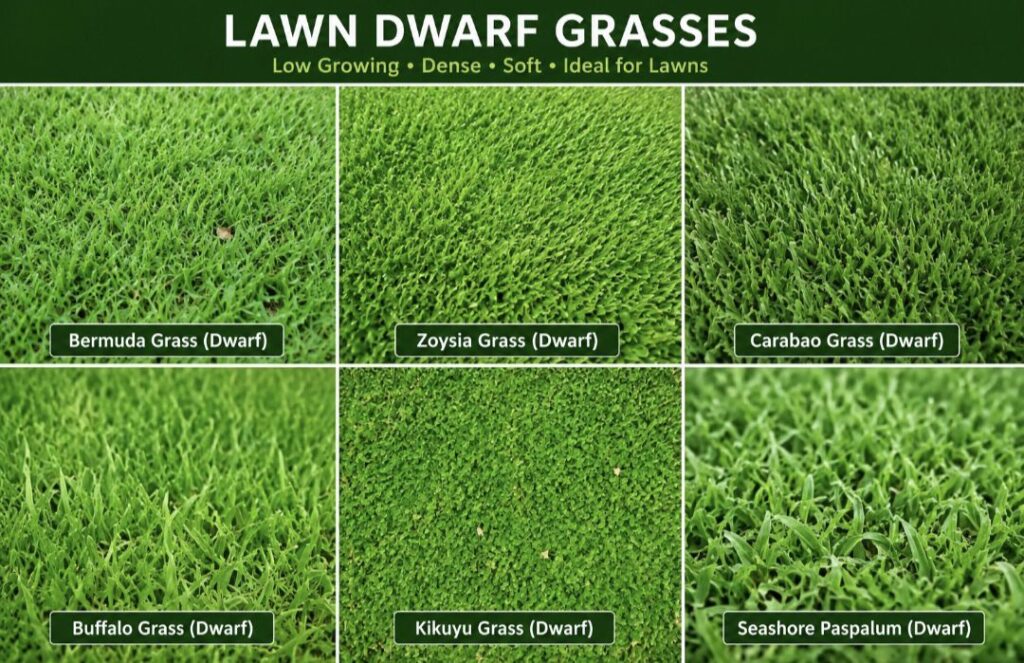
There are several grass species and varieties that may be used for short lawns. Their performance varies considerably according to climate and management.
1. Dwarf Bermuda Grass
Bermuda grass is one of the most important warm-season turf grasses. It is particularly suitable for areas with abundant sunlight and warm temperatures.
Dwarf and improved Bermuda varieties are commonly selected where a fine, dense and relatively short lawn is required.
Bermuda grass spreads aggressively through stolons and rhizomes, allowing it to recover quickly from damage when growing conditions are favourable.
Climate tolerance
Bermuda grass performs best in warm climates and generally prefers:
- Full sunlight
- Warm temperatures
- Well-drained soil
- Moderate to adequate moisture
It can tolerate periods of drought better than many cool-season grasses once properly established. However, prolonged drought can cause it to become dormant or lose its attractive appearance.
Bermuda grass generally performs poorly in heavily shaded areas.
Common purposes
Dwarf Bermuda grass can be used for:
- Home lawns
- Commercial landscaping
- Parks
- Sports fields
- Golf-course areas
- Roadside landscaping
- Recreational spaces
2. Zoysia Grass
Zoysia is another popular warm-season turf grass known for producing a dense and attractive lawn.
It generally grows more slowly than Bermuda grass but can form a thick turf once established. Some Zoysia varieties have fine leaves that provide a high-quality appearance.
Climate tolerance
Zoysia performs well in warm climates and can tolerate periods of moderate drought once established.
It can also tolerate more shade than Bermuda grass, although good sunlight is still important for healthy growth.
Zoysia generally prefers:
- Warm temperatures
- Good sunlight
- Well-drained soil
- Moderate moisture
- Proper soil fertility
Common purposes
Zoysia is suitable for:
- Residential lawns
- Hotels
- Gardens
- Office compounds
- Golf courses
- Parks
- Landscape projects
Its relatively slow growth can also mean less frequent mowing compared with faster-growing turf grasses.
3. Carpet Grass
Carpet grass is a warm-season grass that can be useful in tropical and subtropical environments.
It is particularly associated with areas where moisture is relatively high. It can produce a dense lawn under suitable conditions.
Climate tolerance
Carpet grass generally performs well in warm, humid conditions and can tolerate wetter soils better than many turf grasses.
However, it usually does not perform as well in dry conditions without adequate water.
It can tolerate some shade, although excessive shade can reduce turf density.
Common purposes
Carpet grass may be used for:
- Residential lawns
- Gardens
- Landscaping
- Parks
- Large compounds
- Areas with relatively moist soil
4. Centipede Grass
Centipede grass is another warm-season lawn grass known for relatively slow growth and low maintenance requirements.
It can produce a reasonably dense lawn under suitable conditions and is often valued because it does not require extremely intensive maintenance.
Climate tolerance
Centipede grass prefers warm climates and performs best with adequate sunlight.
It can tolerate some shade but generally requires sufficient light for strong growth.
It prefers acidic, well-drained soils and may struggle in unsuitable soil conditions.
Common purposes
It can be used for:
- Residential lawns
- Gardens
- Landscaping
- Low-maintenance compounds
- Parks
5. Buffalo Grass
Buffalo grass is a warm-season turf grass known for its drought tolerance and ability to survive in relatively dry environments.
It is more commonly associated with dry and semi-arid regions than humid tropical environments.
Climate tolerance
Buffalo grass performs particularly well where rainfall is limited and temperatures are warm.
It generally requires less water than many traditional lawn grasses once established.
Common purposes
Buffalo grass can be used for:
- Low-water landscapes
- Residential lawns
- Parks
- Open spaces
- Drought-tolerant landscaping
Its suitability depends strongly on the local climate.
Lawn Dwarf Grass and Climate Tolerance
Climate is one of the most important factors when choosing lawn grass.
A grass variety that performs exceptionally well in one region may perform poorly in another because of differences in temperature, rainfall, humidity, sunlight and soil conditions.
For warm tropical and subtropical areas such as much of Nigeria, warm-season grasses are generally more appropriate than cool-season grasses.
Temperature
Most warm-season lawn grasses actively grow when temperatures are warm. They may slow down significantly when temperatures become too low.
In tropical climates, warm-season grasses can potentially remain active for much of the year if adequate moisture, sunlight and nutrients are available.
Rainfall
Rainfall requirements differ among grass types.
Some grasses are relatively drought tolerant, while others perform better under consistently moist conditions.
For example, Bermuda grass is known for relatively strong drought tolerance once established, while grasses such as carpet grass generally perform better where moisture is readily available.
Sunlight
Sunlight is extremely important for lawn establishment.
Bermuda grass generally requires abundant sunlight and is not an ideal choice for heavily shaded areas.
Zoysia can tolerate more shade than Bermuda, but it still requires sufficient light.
Before planting, observe the area throughout the day to determine how much direct sunlight reaches the soil.
Humidity
High humidity can favour certain warm-season grasses, particularly in tropical environments. However, excessive moisture combined with poor drainage can encourage fungal diseases and other lawn problems.
Good drainage is therefore essential even in areas with high rainfall.
Best Dwarf Grass for Nigerian Climate
Nigeria has several climatic zones, ranging from humid coastal areas to relatively dry northern regions. Therefore, there is no single grass variety that is automatically the best for every location.
For many sunny areas in southern and central Nigeria, warm-season turf grasses such as Bermuda and Zoysia can be useful options.
In wetter locations, carpet grass may also be considered where soil and drainage conditions are suitable.
In relatively dry areas, drought-tolerant turf selections may be preferable.
The most important factors are local rainfall, temperature, sunlight, soil drainage and availability of irrigation.
Purpose of Lawn Dwarf Grass
Lawn dwarf grass has many practical and aesthetic applications.
1. Residential Lawns
One of the most common uses is around homes.
A well-maintained lawn can transform an ordinary compound into an attractive outdoor space.
It can be planted around:
- Houses
- Driveways
- Walkways
- Gardens
- Swimming pools
- Outdoor seating areas
2. Commercial Properties
Businesses often use lawn grass to improve the appearance of their surroundings.
Dwarf grass can be planted around:
- Hotels
- Restaurants
- Banks
- Shopping centres
- Office buildings
- Event centres
- Corporate headquarters
A neat lawn can contribute to a professional appearance.
3. Parks and Recreational Areas
Grass provides a useful surface for recreational spaces.
Depending on the selected species and its traffic tolerance, lawn grass can be used in:
- Public parks
- Playgrounds
- Recreational fields
- Open spaces
- Community gardens
4. Sports Fields
Some turf grasses are suitable for sports surfaces because they can form dense turf and recover from moderate wear.
However, the grass used for a professional sports field should be selected according to the specific sport, climate, soil and maintenance system.
5. Soil Erosion Control
Grass roots help bind soil particles together.
Establishing turf on exposed soil can reduce the impact of rainfall and surface runoff, particularly when combined with proper drainage and land management.
6. Landscaping
Landscape designers use different turf grasses to create attractive outdoor environments.
Dwarf grass can be combined with:
- Ornamental plants
- Trees
- Shrubs
- Flower beds
- Walkways
- Decorative stones
This creates a balanced and visually appealing landscape.
7. Dust and Mud Reduction
Bare soil can become dusty during dry periods and muddy during heavy rainfall.
A properly established lawn provides ground cover that can help reduce these problems.
Benefits of Lawn Dwarf Grass
Dwarf lawn grass offers several benefits when properly selected and managed.
Attractive Appearance
A dense green lawn can significantly improve the appearance of a property.
Soil Protection
Grass cover helps protect exposed soil from erosion.
Temperature Moderation
Vegetated surfaces can contribute to a cooler and more comfortable outdoor environment compared with exposed bare soil.
Weed Suppression
A dense turf can compete with weeds for sunlight, water and nutrients.
Recreational Surface
Some turf varieties provide a comfortable surface for walking, sitting and recreational activities.
Property Improvement
Well-maintained landscaping can improve the overall visual appeal of residential and commercial properties.
How to Plant Lawn Dwarf Grass
The planting method depends on the grass species and whether you are using seed, plugs, sprigs or sod.
Step 1: Select the Site
Choose an area with suitable sunlight, drainage and soil conditions.
Remove unwanted materials, stones, construction debris and existing unwanted vegetation.
Step 2: Prepare the Soil
Loosen compacted soil and level the area.
Where necessary, incorporate suitable organic matter into poor soil.
The soil should provide enough space for roots to develop.
Step 3: Improve Drainage
Avoid planting turf in areas where water remains stagnant for long periods unless the selected grass is specifically suited to wet conditions.
Poor drainage can cause root problems and encourage diseases.
Step 4: Plant the Grass
If using seed, distribute the seed evenly across the prepared area according to the recommended seeding rate for the particular variety.
Avoid planting too much seed in one area.
For grasses normally established vegetatively, use appropriate plugs, sprigs or sod.
Step 5: Water
Water the newly planted area carefully.
The objective is to keep the soil sufficiently moist while avoiding excessive waterlogging.
Young grass requires consistent moisture while roots are developing.
Step 6: Control Weeds
Remove weeds before they become established.
A dense and healthy turf will naturally compete with many weeds, but weed management may still be necessary.
Step 7: Begin Mowing
Do not mow immediately after planting.
Allow the grass to establish and reach an appropriate height before the first mowing.
Use sharp mower blades and avoid removing too much leaf material at once.
How to Maintain a Dwarf Grass Lawn
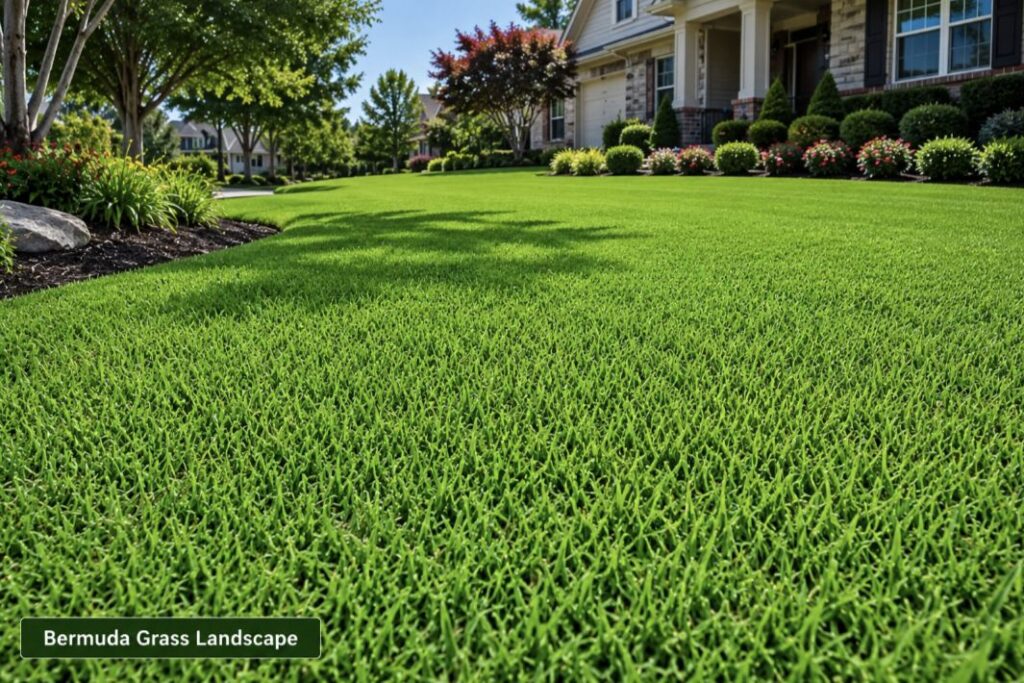
Maintaining a lawn involves more than regular watering.
Regular Mowing
Mowing encourages a neat appearance and can promote lateral growth in many turf grasses.
However, cutting the grass excessively short can weaken the plant.
The correct mowing height depends on the particular grass species and cultivar.
Proper Watering
Water according to the grass variety, climate and soil conditions.
Deep and appropriate watering is generally preferable to constantly keeping the soil saturated.
Fertilization
Grass requires nutrients for healthy growth.
Nitrogen is particularly important for leaf development, while phosphorus and potassium also contribute to plant health.
A soil test can help determine nutrient requirements before applying fertilizer.
Weed Control
Regular monitoring makes weed control easier.
Remove weeds manually in small lawns or use appropriate weed-management methods where necessary.
Pest and Disease Monitoring
Inspect the lawn regularly for:
- Discoloured patches
- Brown spots
- Insect damage
- Unusual growth
- Fungal symptoms
- Thinning areas
Early detection can prevent small problems from becoming major lawn failures.
Factors to Consider Before Buying Dwarf Grass Seed
Before purchasing grass seed, consider the following:
Climate
Choose a variety that is adapted to your temperature and rainfall conditions.
Sunlight
Determine whether the site receives full sun, partial shade or heavy shade.
Soil
Check soil texture, drainage and fertility.
Water Availability
If rainfall is unreliable, consider whether irrigation is available.
Traffic
If people will frequently walk across the lawn, choose a grass with suitable wear tolerance.
Maintenance
Some grasses require frequent mowing and management, while others are comparatively low maintenance.
Budget
Consider not only the price of seed but also the cost of soil preparation, irrigation, fertilizer, mowing and long-term maintenance.
Lawn Dwarf Grass Seed vs Sod
Dwarf lawn grass can be established using seed or ready-made turf, depending on the variety.
Grass Seed
Seed is often cheaper to transport and can be practical for large areas.
However, establishment may take longer and requires careful watering and weed management.
Sod
Sod provides an immediately covered surface and can establish faster when properly installed.
However, it is generally more expensive and requires careful handling and installation.
The best option depends on the grass species, project size, budget and desired establishment speed.
Common Problems When Growing Lawn Dwarf Grass
Several problems can affect lawn establishment.
Poor Drainage
Excessive water around the roots can cause poor growth and disease problems.
Insufficient Sunlight
Grass planted in heavy shade may become thin and weak.
Overwatering
Too much water can damage roots and encourage disease.
Underwatering
Insufficient water can cause wilting, browning and poor establishment.
Excessive Mowing
Cutting too much leaf material can weaken the grass.
Soil Compaction
Compacted soil restricts air and water movement and can prevent healthy root development.
Poor Nutrition
Nutrient deficiencies can cause slow growth and discolouration.
Incorrect Grass Selection
One of the biggest mistakes is choosing a grass based only on appearance without considering climate and site conditions.
Is Dwarf Grass Suitable for Nigeria?
Yes. Several warm-season turf grasses can be suitable for different parts of Nigeria.
However, the best choice depends on the specific environment.
For example, a sunny property in a relatively dry region may require a different turf selection from a humid property with frequent rainfall.
Before purchasing seed, consider:
- Your location
- Rainfall pattern
- Average temperature
- Sunlight
- Soil type
- Drainage
- Water availability
- Expected foot traffic
- Maintenance capacity
For professional landscaping projects, testing the grass on a small portion of the property before establishing the entire lawn can also be useful.
Frequently Asked Questions About Lawn Dwarf Grass
What is lawn dwarf grass?
Lawn dwarf grass refers to short-growing turf grasses used to create dense, attractive lawns. It can include different species and cultivars rather than one particular grass species.
Which dwarf grass is best for hot weather?
Warm-season grasses such as Bermuda and Zoysia are commonly considered for hot climates. The best choice depends on sunlight, rainfall, soil and maintenance conditions.
Can dwarf grass grow in Nigeria?
Yes. Several warm-season turf grasses can grow successfully in Nigeria when the appropriate variety is selected and properly managed.
Does dwarf grass need full sunlight?
Not every variety has the same requirement. Bermuda generally performs best in strong sunlight, while some Zoysia varieties have better shade tolerance.
How often should dwarf grass be watered?
Watering frequency depends on grass variety, soil, temperature, rainfall and season. Newly planted grass generally requires more consistent moisture than established turf.
Can dwarf grass prevent erosion?
A dense lawn can help reduce soil erosion because its roots hold soil together and its foliage reduces the direct impact of rainfall on exposed soil.
Can dwarf grass be grown from seed?
Some dwarf lawn grasses can be established from seed, while others are commonly established using sod, plugs, sprigs or runners. Always check the recommended establishment method for the specific variety.
Conclusion
Lawn dwarf grass is an important component of modern landscaping because it combines beauty, ground coverage and practical environmental benefits. Different varieties have different characteristics, so selecting the right grass should be based on climate, sunlight, soil, water availability, traffic and maintenance requirements.
For warm regions such as Nigeria, warm-season turf grasses are generally among the most appropriate choices. Bermuda, Zoysia, carpet grass and centipede grass are examples of turf grasses that may be considered depending on the specific environment.
A successful lawn does not begin with planting alone. Proper site preparation, suitable grass selection, adequate watering, appropriate fertilization, regular mowing, weed management and good drainage are all essential for establishing a healthy and attractive lawn.
Whether the goal is to beautify a residential compound, improve a hotel landscape, establish a recreational area, control soil erosion or create an attractive commercial property, choosing the right dwarf lawn grass can make a significant difference.
For anyone planning to establish a lawn, the most important principle is simple: choose the grass that matches your environment rather than choosing only the grass that looks attractive. With the right variety and proper management, a dwarf grass lawn can remain healthy, dense and visually appealing for many years.
Read more;
- Poultry Meat Benefits to Humanity: Complete Guide to Its Nutritional, Economic and Social Importance

- Tilapia Farming: Complete Guide to Raising Tilapia for Commercial Production

- Fish Pond Construction: Complete Guide to Designing and Building a Modern Fish Pond

- Grazing Livestock Farming Business: Complete Guide to Starting and Making Profit

- Commercial Cattle Farming: Complete Guide to Raising Cattle for Profit

- Goat Farming Business: Complete Guide to Meat and Breeding Production

- Sheep Farming: Complete Guide to Raising Sheep for Commercial Profit

- Modern Pasture Farming: How to Grow High-Quality Livestock Feed

- Rotational Grazing: Complete Guide to Improving Livestock Production