HARVESTING RICE
Harvesting is one of the most important stages in rice production. Proper timing helps preserve grain quality, reduces post-harvest losses, and maximizes market value. Harvesting too early results in immature grains with high moisture content, while delayed harvesting increases the risk of grain shattering, lodging, bird damage, and pest attacks.
Most improved rice varieties grown in Nigeria mature within 100–150 days after planting, depending on the variety, production system, and environmental conditions.
Signs of Maturity
A rice crop is ready for harvest when:
- About 80–85% of the grains on each panicle have turned golden yellow.
- The panicles bend downward due to the weight of mature grains.
- The leaves begin to dry naturally.
- The grains become hard when pressed.
- Grain moisture is around 20–25%.
HARVESTING METHODS
Manual Harvesting
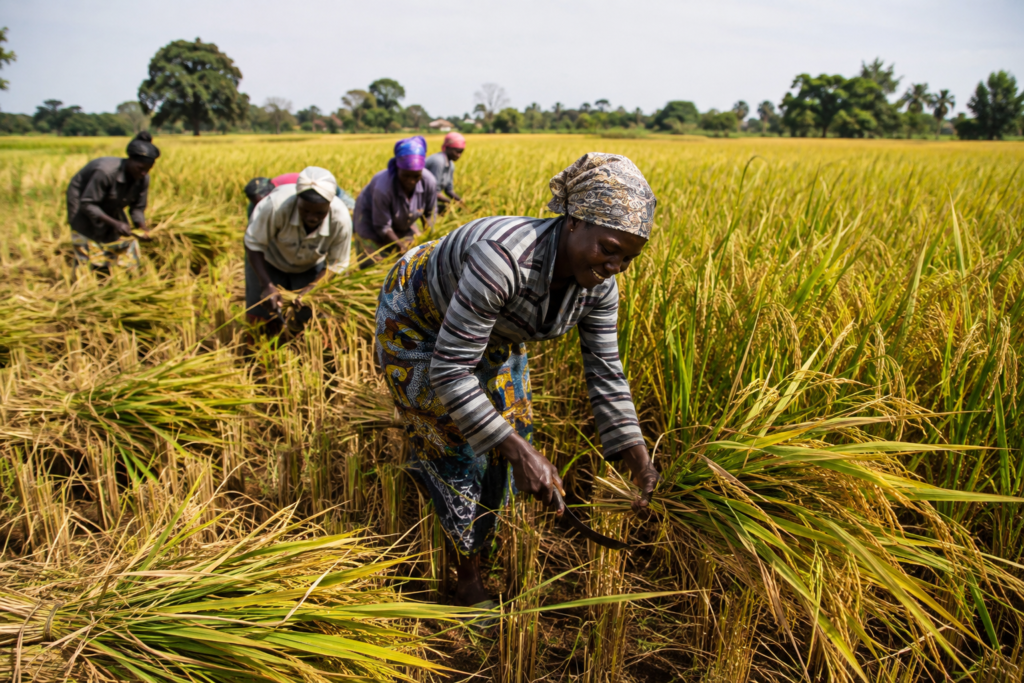
Small-scale farmers usually harvest rice using sickles or sharp knives.
The harvested rice is tied into bundles and transported to a threshing area.
Advantages
- Low equipment cost.
- Suitable for small farms.
- Easy to carry out in remote areas.
Disadvantages
- Labour-intensive.
- Slower than mechanical harvesting.
- Higher labour costs during peak seasons.
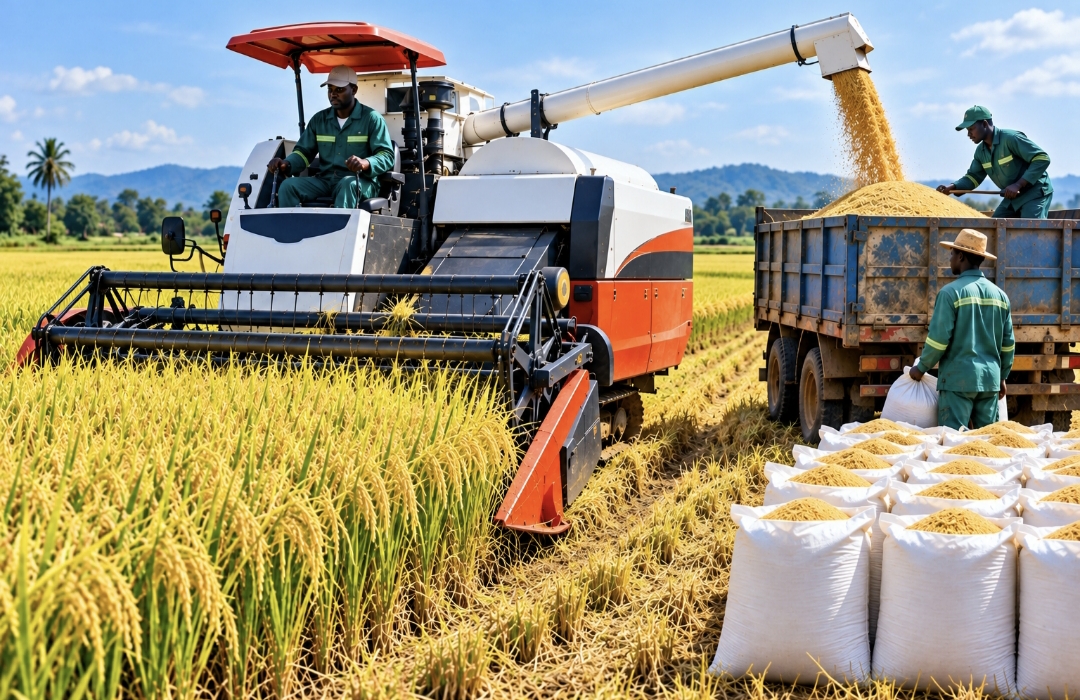
Mechanical Harvesting
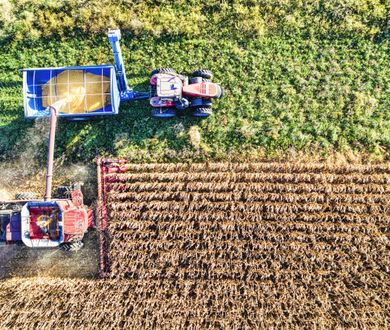
Commercial farms often use combine harvesters.
A combine harvester performs cutting, threshing, cleaning, and grain collection in one operation.
Benefits
- Faster harvesting.
- Reduced grain losses.
- Lower labour requirements.
- Suitable for large-scale production.
THRESHING
Threshing is the process of separating rice grains from the harvested panicles.
Methods include:
- Beating harvested bundles against a wooden platform.
- Pedal threshers.
- Power threshers.
- Combine harvesters.
Mechanical threshing reduces grain damage and increases efficiency.
CLEANING
After threshing, grains should be cleaned to remove:
- Straw
- Chaff
- Stones
- Dust
- Weed seeds
- Empty grains
Clean rice attracts higher market prices and improves storage quality.
DRYING RICE
Freshly harvested rice contains excessive moisture, making proper drying essential before storage.
Recommended Drying Methods
Sun Drying
Spread rice in thin layers on:
- Concrete floors
- Clean tarpaulins
- Drying mats
Turn the grains regularly to ensure uniform drying.
Mechanical Drying
Commercial grain dryers provide faster and more uniform drying, especially during the rainy season.
For safe storage, grain moisture should be reduced to approximately 13–14%.
MILLING
Rice milling removes the husk and bran layers to produce edible rice.
The typical milling process includes:
- Cleaning
- Dehusking
- Paddy separation
- Whitening
- Polishing
- Grading
- Packaging
Modern rice mills produce cleaner rice with fewer broken grains and higher market value.
STORAGE
Proper storage preserves grain quality and minimizes losses caused by insects, rodents, moisture, and mould.
Characteristics of a Good Storage Facility
A suitable storage facility should be:
- Dry
- Clean
- Well ventilated
- Rodent-proof
- Leak-free
- Protected from insects
Suitable storage options include:
- Hermetic storage bags
- Metal silos
- Airtight plastic silos
- Warehouses
- Grain bins
Regular inspection helps detect problems before serious damage occurs.
POST-HARVEST LOSS MANAGEMENT
Post-harvest losses can significantly reduce farmers' profits.
Losses commonly result from:
- Poor harvesting practices
- Improper drying
- Poor storage
- Rodent attack
- Insect infestation
- Mould contamination
- Poor transportation
Reducing these losses increases both food availability and farm income.
VALUE ADDITION
Processing rice into different products creates additional income opportunities.
Examples include:
- Polished white rice
- Brown rice
- Rice flour
- Rice bran
- Rice starch
- Rice cereal
- Rice noodles
- Rice snacks
- Rice-based baby food
Rice bran can also be used in livestock feed and oil extraction.
MARKETING RICE
Rice enjoys strong demand throughout Nigeria due to its importance as a staple food.
Potential buyers include:
- Wholesalers
- Retail traders
- Supermarkets
- Hotels
- Restaurants
- Food processors
- Government food programs
- Export companies where applicable
Marketing Tips
- Produce clean, high-quality rice.
- Package products attractively.
- Maintain consistent quality.
- Monitor market prices before selling.
- Build long-term relationships with buyers.
- Join farmer cooperatives to improve bargaining power.
- Explore digital marketing and online marketplaces where appropriate.
PROFITABILITY OF RICE FARMING
Rice farming can be highly profitable when production costs are carefully managed and good agronomic practices are followed.
Factors influencing profitability include:
- Yield per hectare
- Seed quality
- Fertilizer efficiency
- Water availability
- Labour costs
- Pest and disease management
- Market prices
- Post-harvest handling
Farmers who adopt improved technologies generally achieve higher productivity and better financial returns.
SUSTAINABLE RICE FARMING
Sustainable farming practices protect natural resources while maintaining productivity.
Recommended practices include:
Crop Rotation
Rotate rice with legumes such as:
- Soybean
- Cowpea
- Groundnut
Crop rotation improves soil fertility and helps reduce pest and disease pressure.
Soil Conservation
Maintain soil health by:
- Applying organic manure.
- Reducing soil erosion.
- Maintaining proper drainage.
- Avoiding excessive tillage where suitable.
Efficient Water Use
Use irrigation water wisely.
Repair leaking canals and avoid unnecessary flooding to conserve water resources.
Responsible Agrochemical Use
Apply fertilizers, herbicides, and pesticides only as recommended.
Always wear protective clothing and dispose of chemical containers safely.
CLIMATE-SMART RICE FARMING
Climate change presents challenges such as irregular rainfall, droughts, floods, and higher temperatures.
Farmers can improve resilience by:
- Planting climate-resilient rice varieties.
- Conserving soil moisture.
- Harvesting rainwater where feasible.
- Improving field drainage.
- Diversifying farm enterprises.
- Following reliable weather forecasts when planning field operations.
RICE PRODUCTION CALENDAR (EXAMPLE)
Although timing varies by region, a typical production schedule includes:
- Land preparation: Before the onset of the rainy season.
- Seed sowing or nursery establishment: At the beginning of the planting season.
- Transplanting or direct seeding: According to the production system.
- Weeding and fertilizer application: During early crop growth.
- Pest and disease monitoring: Throughout the growing season.
- Harvesting: At physiological maturity.
- Drying and storage: Immediately after harvest.
Developing a seasonal calendar helps farmers organize labour and farm operations efficiently.
COMMON MISTAKES TO AVOID IN RICE FARMING
Many rice farmers experience low yields and reduced profits because of avoidable mistakes. Identifying and correcting these errors can significantly improve productivity and grain quality.
1. Using Poor-Quality Seeds
Planting uncertified or low-quality seeds often results in poor germination, uneven crop establishment, and lower yields. Always purchase certified seeds from reputable suppliers.
2. Poor Land Preparation
Improper land preparation leads to uneven crop growth, poor drainage, and inefficient water distribution. Thorough ploughing, harrowing, and land levelling are essential for successful rice production.
3. Planting at the Wrong Time
Late planting may expose the crop to drought, pests, diseases, or unfavourable weather during flowering and grain filling. Follow the recommended planting calendar for your region.
4. Poor Water Management
Too much or too little water can reduce rice yields. Maintain appropriate water levels according to the crop's growth stage and ensure proper drainage where necessary.
5. Incorrect Fertilizer Application
Applying too little fertilizer limits plant growth, while excessive application wastes money and may damage crops or the environment. Base fertilizer decisions on soil test recommendations whenever possible.
6. Delayed Weed Control
Allowing weeds to compete with rice during the early growth stages can significantly reduce yield. Early and consistent weed management is essential.
7. Ignoring Pests and Diseases
Failure to monitor fields regularly can allow pest and disease problems to spread rapidly. Inspect fields frequently and respond promptly using integrated pest management practices.
8. Harvesting Too Early or Too Late
Harvesting immature rice reduces grain quality, while delayed harvesting increases grain shattering, lodging, and post-harvest losses.
9. Poor Drying and Storage
Storing rice with high moisture content encourages mould growth, insect infestation, and quality deterioration. Always dry rice properly before storage.
10. Poor Record Keeping
Without accurate records, farmers cannot properly evaluate production costs, yields, or profitability. Maintain detailed records for every farming season.
BEST PRACTICES FOR HIGH RICE YIELD
Successful rice farmers consistently apply proven production techniques.
Select High-Yielding Varieties
Use improved varieties that are adapted to your local climate and market demand.
Conduct Soil Testing
A soil test provides valuable information about nutrient levels and soil pH, helping farmers apply fertilizers more efficiently.
Use Certified Seeds
Certified seeds provide better germination, stronger seedlings, and improved resistance to pests and diseases.
Prepare Land Properly
Good land preparation ensures uniform planting, better root development, and efficient water management.
Apply Balanced Fertilizers
Provide crops with the nutrients they need at the correct growth stages using both organic and inorganic nutrient sources where appropriate.
Maintain Proper Water Levels
Monitor irrigation carefully to avoid water stress or excessive flooding.
Control Weeds Early
Early weed removal prevents unnecessary competition for nutrients, water, and sunlight.
Monitor Fields Regularly
Inspect crops at least once or twice each week to detect pests, diseases, and nutrient deficiencies before they become severe.
Harvest at the Right Time
Timely harvesting improves grain quality and reduces losses.
Practice Good Post-Harvest Handling
Proper drying, cleaning, storage, and packaging preserve grain quality and increase market value.
ECONOMIC IMPORTANCE OF RICE
Rice contributes significantly to Nigeria's economy by:
- Creating employment opportunities.
- Supporting rural livelihoods.
- Providing income for farmers.
- Supplying food processing industries.
- Reducing dependence on imported rice.
- Strengthening national food security.
- Supporting livestock production through the use of rice bran and by-products.
The continued growth of Nigeria's rice industry presents excellent opportunities for farmers, processors, transporters, equipment suppliers, and marketers.
BUSINESS OPPORTUNITIES IN THE RICE VALUE CHAIN
Rice farming offers opportunities beyond grain production.
Examples include:
- Certified seed production
- Rice nursery establishment
- Irrigation services
- Farm mechanization services
- Harvesting and threshing services
- Rice milling
- Rice packaging
- Grain storage
- Rice transportation
- Wholesale trading
- Retail marketing
- Export opportunities where quality standards are met
Diversifying into these areas can provide additional income streams.
FREQUENTLY ASKED QUESTIONS (FAQS)
1. How long does rice take to mature?
Most improved rice varieties mature within 100–150 days, depending on the variety and production system.
2. Can rice be grown during the dry season?
Yes. With a reliable irrigation system, farmers can successfully cultivate rice during the dry season.
3. What is the best soil for rice farming?
Fertile clay loam or loamy soils with good water-holding capacity and a pH of 5.5–7.0 are generally ideal.
4. How often should weeds be controlled?
The first weeding is usually carried out within 2–3 weeks after planting, with additional weeding as needed based on field conditions.
5. Which fertilizer is best for rice?
The appropriate fertilizer depends on soil fertility. Nitrogen, phosphorus, and potassium are the primary nutrients required, and fertilizer recommendations should ideally be based on a soil test.
6. What are the major pests affecting rice in Nigeria?
Common pests include stem borers, rice bugs, grasshoppers, leaf feeders, and rice gall midge.
7. How should harvested rice be stored?
Dry rice to about 13–14% moisture content and store it in clean, dry, airtight, and well-ventilated facilities to minimize insect damage and mould growth.
8. Is rice farming profitable?
Yes. When farmers use improved seeds, adopt good agronomic practices, manage costs effectively, and market high-quality grain, rice farming can be a profitable agricultural enterprise.
FINAL CONCLUSION
Rice farming remains one of the most promising agricultural enterprises in Nigeria because of its strong domestic demand, wide range of uses, and significant contribution to food security and economic development. Success in rice production requires careful planning, proper land preparation, the use of certified high-yielding seed varieties, balanced soil fertility management, effective water control, timely weed management, and integrated pest and disease control.
Equally important are proper harvesting, drying, storage, and marketing practices, which help preserve grain quality and reduce post-harvest losses. Farmers who embrace sustainable and climate-smart production methods can improve productivity while protecting natural resources for future generations.
Beyond grain production, the rice value chain offers numerous opportunities in seed production, mechanization, processing, packaging, transportation, and marketing. By continuously improving farming practices, maintaining accurate records, and staying informed about new technologies, farmers can build profitable and resilient rice enterprises.
As Nigeria continues to invest in agricultural development and local food production, rice farming will remain a cornerstone of the nation's economy. Whether you are a beginner, an experienced farmer, or an agribusiness investor, applying the principles outlined in this guide will help you achieve higher yields, produce better-quality rice, increase profitability, and contribute to a more food-secure Nigeria.
Read more;
- Poultry Meat Benefits to Humanity: Complete Guide to Its Nutritional, Economic and Social Importance

- Tilapia Farming: Complete Guide to Raising Tilapia for Commercial Production

- Fish Pond Construction: Complete Guide to Designing and Building a Modern Fish Pond

- Grazing Livestock Farming Business: Complete Guide to Starting and Making Profit

- Commercial Cattle Farming: Complete Guide to Raising Cattle for Profit

- Goat Farming Business: Complete Guide to Meat and Breeding Production

- Sheep Farming: Complete Guide to Raising Sheep for Commercial Profit

- Modern Pasture Farming: How to Grow High-Quality Livestock Feed
- Rotational Grazing: Complete Guide to Improving Livestock Production
- Commercial Livestock Breeding: How to Build a Productive Herd