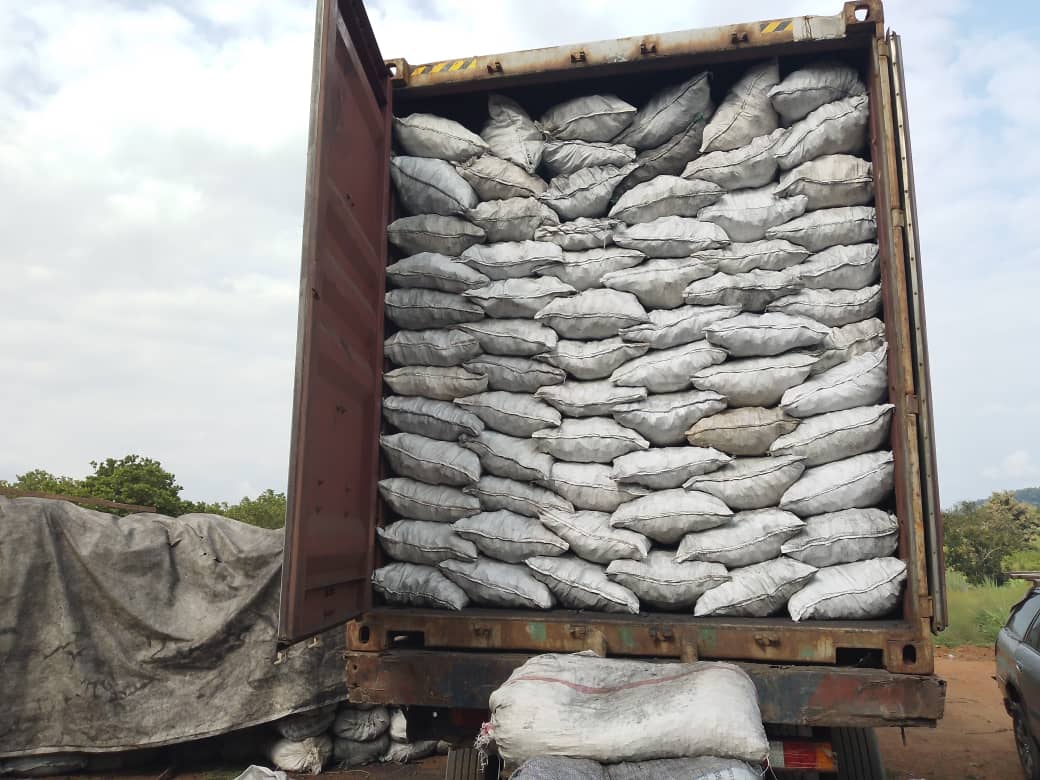
Introduction
The charcoal business in Nigeria is an important commercial activity that provides income and employment for farmers, rural communities, charcoal producers, wholesalers, retailers, transporters and exporters. Charcoal remains widely used as a cooking fuel because many households, restaurants, food vendors and small businesses depend on affordable sources of energy for cooking, grilling, smoking and other activities.
For entrepreneurs looking for a business that involves a consumable product with repeat demand, charcoal trading can present an opportunity. However, success in the charcoal business requires more than simply buying bags of charcoal and selling them at a higher price. Business owners must understand sourcing, charcoal quality, transportation, storage, customer demand, pricing, environmental regulations, business capital and effective marketing.
This comprehensive guide explains how to start a charcoal business in Nigeria, the different business models, where to source charcoal, how to calculate profit, how to find customers, how to export charcoal and how to avoid common mistakes.
What Is the Charcoal Business?
The charcoal business involves the production, purchasing, processing, packaging, transportation, distribution and selling of charcoal for domestic, commercial, industrial or export purposes.
Charcoal is produced when wood or other biomass materials are heated under conditions of limited oxygen. This process removes moisture and volatile substances, leaving behind a carbon-rich material that can be used as fuel.
Entrepreneurs can participate in different parts of the charcoal value chain. Some people produce charcoal directly from legally sourced wood, while others purchase charcoal from rural producers and distribute it to wholesalers, retailers, households, restaurants and other commercial users.
The business can be operated on a small, medium or large scale depending on the entrepreneur's capital, available space, supply network and target market.
Why Charcoal Business Can Be Profitable in Nigeria
Charcoal has continued to attract business interest in Nigeria because of its practical uses and established market demand.
Several factors contribute to the potential profitability of the business.
1. Regular demand for cooking fuel
Charcoal is used by households, restaurants, roadside food vendors, suya businesses, barbecue sellers, fish smokers and other businesses that require heat for cooking.
Because charcoal is consumed during use, customers must regularly purchase new supplies. This creates opportunities for repeat sales.
2. Multiple customer categories
A charcoal entrepreneur does not have to depend on only one type of customer. Charcoal can be sold to individual households, retailers, restaurants, food businesses, hotels, wholesalers and commercial users.
3. Opportunities for bulk trading
Buying charcoal in larger quantities from producers or rural suppliers can reduce the purchase cost per bag. Entrepreneurs can then distribute the products to smaller buyers at a higher unit price.
4. Rural sourcing and urban markets
Charcoal may be sourced from rural production communities and transported to towns and cities where demand is concentrated.
This creates business opportunities for sourcing agents, aggregators, transporters, warehouse operators and distributors.
5. Product diversification
Charcoal traders can expand beyond ordinary lump charcoal by selling premium barbecue charcoal, packaged charcoal, briquettes and certain specialty charcoal products.
6. Potential export opportunities
Some charcoal products may be suitable for international markets. However, export businesses require more attention to product specifications, documentation, legal sourcing, buyer verification, shipping and regulatory compliance.
Different Types of Charcoal Businesses in Nigeria
Before starting, it is important to select the business model that matches your capital and experience.
1. Charcoal Retail Business
This is one of the simplest ways to enter the industry.
A retailer purchases charcoal in bags or smaller quantities from wholesalers and sells directly to households and nearby customers.
Retail customers may include:
- Households
- Small restaurants
- Food vendors
- Suya sellers
- Barbecue sellers
- Fish smokers
- Small shops
A retail charcoal business can be operated from a roadside shop, market stall, open sales point or small storage facility.
The advantage of retailing is that the entrepreneur can begin with relatively small quantities. However, retail sales may require more time and customer interaction.
2. Charcoal Wholesale Business
A wholesaler buys large quantities of charcoal from producers, rural suppliers or aggregators and sells them to retailers, restaurants, market traders and other businesses.
Wholesale trading generally depends on:
- Reliable suppliers
- Adequate capital
- Good storage
- Transport arrangements
- Bulk customers
- Accurate weighing and measurement
- Quality control
Wholesale businesses may have smaller profit margins per bag than retail businesses, but they can generate higher total profits through volume.
3. Charcoal Production Business
This business involves converting legally sourced wood or suitable biomass into charcoal.
The producer may use traditional kilns or more improved carbonization systems, depending on the production method, scale and environmental requirements.
Production requires knowledge of:
- Raw material sourcing
- Wood preparation
- Carbonization
- Kiln operation
- Fire safety
- Product cooling
- Quality control
- Packaging
- Environmental compliance
Charcoal production can potentially create greater value than buying and selling alone, but it also requires more technical knowledge, labour, equipment, raw materials and regulatory attention.
4. Charcoal Aggregation Business
An aggregator collects charcoal from different producers and combines it into larger quantities for sale to wholesalers, distributors or exporters.
This business is useful when individual producers cannot supply large volumes consistently.
Aggregators must be skilled in supplier management, quality inspection, logistics and negotiation.
5. Charcoal Packaging Business
Instead of selling loose charcoal in large sacks, entrepreneurs can package charcoal into smaller, branded quantities.
Possible retail sizes include:
- Small household packs
- Medium cooking packs
- Large family packs
- Restaurant packs
- Barbecue packs
Attractive packaging, proper weight measurement, consistent quality and a recognizable brand can help differentiate products.
6. Charcoal Briquette Business
Charcoal briquettes are produced by compressing charcoal dust or fines into more uniform shapes.
Briquettes can help create value from charcoal dust that might otherwise be sold cheaply or discarded.
Depending on the formulation and production process, briquettes may require:
- Charcoal dust
- Suitable binder
- Mixing equipment
- Briquette press
- Drying facilities
- Packaging materials
This business requires testing to ensure that the final product burns properly, produces acceptable smoke and ash levels, and meets customer expectations.
7. Premium Barbecue Charcoal Business
Premium charcoal is targeted at customers who want reliable heat, longer burning time, lower moisture, larger pieces and relatively low ash.
Potential customers include:
- Barbecue restaurants
- Hotels
- Grilling businesses
- Caterers
- Outdoor cooking businesses
- Specialty charcoal retailers
Quality consistency is especially important in this market.
Types of Charcoal Products You Can Sell
Different charcoal products have different customers and pricing opportunities.
Lump Hardwood Charcoal
This is ordinary charcoal made from wood. It is commonly used for domestic cooking, grilling, suya preparation and other heating purposes.
Its quality depends on factors such as wood type, carbonization, moisture content, size and handling.
Premium Hardwood Charcoal
Premium hardwood charcoal is generally selected for larger pieces, consistency, burning performance and suitability for grilling or commercial cooking.
Buyers may be willing to pay more when the product offers better performance.
Charcoal Briquettes
Briquettes are compressed charcoal materials designed into uniform shapes.
They can be marketed to households, restaurants, grilling businesses and certain industrial users depending on their quality and specifications.
Coconut-Shell Charcoal
Coconut-shell charcoal is made from coconut shells. It can be used in different fuel applications and may also serve as raw material for further processing.
The suitability of coconut-shell charcoal depends on the intended application and required product characteristics.
Charcoal Dust and Fines
Charcoal dust is the small material generated during handling, transportation and sorting.
Instead of treating all charcoal dust as waste, businesses may explore selling it to briquette producers, provided it is clean and suitable for the intended use.
Where to Source Charcoal in Nigeria
The quality of your supplier can determine the success or failure of your business.
Charcoal is commonly sourced through rural producers, production communities, aggregators, wholesalers and market suppliers.
Potential sourcing regions may include areas of Oyo, Osun, Ogun, Kwara, Ekiti, Kogi, Niger, Benue and other states with suitable agricultural and woodland resources.
However, sourcing should never be based only on the cheapest price.
The best supplier is one who can consistently provide quality charcoal at a competitive total delivered cost.
Ways to Find Charcoal Suppliers
You can identify suppliers through:
- Rural charcoal-producing communities
- Agricultural markets
- Wholesale charcoal markets
- Local traders and aggregators
- Cooperative groups
- Business associations
- Referrals from transporters
- Direct visits to production locations
- Verified business contacts
Before placing a large order, purchase a sample quantity and test the quality.
Questions to Ask a Charcoal Supplier
Ask the supplier:
- What type of charcoal do you sell?
- Where is the charcoal produced?
- What is the average bag weight?
- How much charcoal is available weekly?
- Is the charcoal properly dried?
- Does the product contain excessive dust?
- Can you supply consistently?
- What is the price for 20, 50, 100 or more bags?
- What are the loading costs?
- Can transportation be arranged?
- What documentation can be provided regarding sourcing?
- Can I inspect the charcoal before purchasing?
It is advisable to establish relationships with at least three suppliers instead of depending on only one.
How to Identify Good-Quality Charcoal
Good charcoal is easier to sell and can help build customer loyalty.
Before buying, inspect the charcoal carefully.
Characteristics of Good Charcoal
Good charcoal generally has:
- A dry appearance
- Solid pieces
- Minimal excessive dust
- No stones or soil
- No excessive uncarbonized wood
- Relatively consistent quality
- Appropriate size for its intended market
- Good burning performance
Test the Charcoal Before Buying in Bulk
Burn a small sample and observe:
- How easily it ignites
- How much smoke it produces
- How long it burns
- How much heat it produces
- Whether it produces excessive ash
- Whether it sparks excessively
- Whether it contains too much moisture
Do not rely only on the supplier's claims. A sample test can reveal quality problems before you commit significant capital.
How to Start Charcoal Business in Nigeria Step by Step
Step 1: Conduct Market Research
Before investing money, study your target market.
Visit charcoal sellers, food vendors, restaurants, suya businesses, retailers and wholesale markets.
Find out:
- The most popular charcoal type
- Average bag sizes
- Local purchase prices
- Selling prices
- Demand levels
- Customer preferences
- Competitors
- Supply locations
- Transportation costs
Market research helps you determine whether you should start as a retailer, wholesaler, producer or distributor.
Step 2: Choose Your Business Model
Choose one primary model initially.
For beginners, charcoal buying and selling may be easier to manage than production because it requires less technical knowledge and equipment.
You can begin as a retailer, grow into wholesale distribution and later consider production or processing.
Step 3: Prepare a Business Budget
Your budget should include more than the cost of charcoal.
Consider:
- Purchase of stock
- Transportation
- Loading and unloading
- Warehouse rent
- Packaging
- Labour
- Marketing
- Security
- Fire safety
- Business registration
- Applicable permits
- Working capital
Keep money aside for unexpected expenses.
Step 4: Find Reliable Suppliers
Identify multiple suppliers and compare their quality, prices, availability and delivery arrangements.
Do not purchase large quantities from an unfamiliar supplier without inspecting the product.
Step 5: Find Your Customers Before Buying Large Stock
Contact potential customers and determine whether they are willing to buy.
Possible customers include:
- Charcoal retailers
- Restaurants
- Suya sellers
- Barbecue vendors
- Hotels
- Food businesses
- Household customers
- Fish smokers
- Market traders
Knowing your buyers in advance can reduce the risk of keeping unsold stock for too long.
Step 6: Secure a Suitable Storage Facility
Charcoal requires dry, secure and properly ventilated storage.
Your warehouse should be:
- Protected from rain
- Free from flooding
- Accessible to delivery vehicles
- Properly secured
- Away from ignition sources
- Managed to reduce fire risks
Charcoal should not be stored carelessly near open flames, electrical hazards or flammable materials.
Step 7: Purchase Your Initial Stock
Start with an amount you can reasonably sell and manage.
For a beginner, purchasing a small batch may help you learn the market without risking too much capital.
Inspect the goods during loading and delivery.
Step 8: Establish Your Selling Price
Calculate the total cost of bringing each bag to your warehouse.
Your cost should include the purchase price, transport, loading, handling, storage and losses.
Then determine your selling price based on your market and desired profit.
Step 9: Market Your Business
Use:
- WhatsApp Business
- Facebook Marketplace
- TikTok
- Local business groups
- Direct visits to restaurants
- Flyers
- Referrals
- Signboards
- Google Business Profile where eligible
Your marketing should clearly communicate the product type, available quantity, location, price and delivery options.
Step 10: Track Your Business
Record every purchase and sale.
Track:
- Stock purchased
- Bags sold
- Sales revenue
- Customer debts
- Transportation costs
- Damaged stock
- Remaining inventory
- Gross profit
- Net profit
A business owner who does not keep proper records may mistake cash received for actual profit.
Charcoal Business Startup Capital in Nigeria
The amount required depends on your business model, location, quantity and storage arrangements.
The following budgets are illustrative planning examples, not current supplier quotations.
Starting with ₦300,000
A small-scale business may allocate capital approximately as follows:
- Charcoal stock: ₦180,000
- Transport: ₦40,000
- Loading and handling: ₦15,000
- Small storage arrangement: ₦25,000
- Packaging: ₦10,000
- Marketing: ₦10,000
- Working capital: ₦20,000
This type of budget may be more suitable for small retail operations or limited-volume trading.
Starting with ₦1 Million
A possible allocation could be:
- Charcoal stock: ₦500,000
- Transportation: ₦120,000
- Storage: ₦100,000
- Loading and unloading: ₦40,000
- Packaging: ₦40,000
- Marketing: ₦30,000
- Emergency and working capital: ₦170,000
This budget may support a small wholesale or retail distribution business depending on local prices.
Starting with ₦2 Million
A possible allocation could be:
- Initial stock: ₦1,000,000
- Transportation: ₦250,000
- Storage and warehouse preparation: ₦200,000
- Loading and labour: ₦100,000
- Packaging: ₦100,000
- Marketing: ₦50,000
- Working capital: ₦300,000
This could support a more organised wholesale distribution business if the market and suppliers are favourable.
Starting with ₦5 Million
A larger business may allocate:
- Stock purchases: ₦2,500,000
- Logistics: ₦600,000
- Warehouse: ₦500,000
- Labour and handling: ₦200,000
- Packaging: ₦200,000
- Marketing: ₦100,000
- Working capital and contingencies: ₦900,000
At this level, the business should focus on reliable supply contracts, repeat customers, inventory management and reducing logistics costs.
How to Calculate Charcoal Business Profit
Profit should be calculated after accounting for all expenses.
The formula is:
Net Profit = Total Sales Revenue − Total Business Expenses
Example of Buying and Selling 100 Bags
Assume the following illustrative figures:
- Purchase price per bag: ₦5,000
- Number of bags: 100
- Transportation: ₦100,000
- Loading and unloading: ₦20,000
- Handling and storage: ₦30,000
- Selling price per bag: ₦8,000
Purchase cost:
100 × ₦5,000 = ₦500,000
Total cost:
₦500,000 + ₦100,000 + ₦20,000 + ₦30,000 = ₦650,000
Sales revenue:
100 × ₦8,000 = ₦800,000
Estimated profit:
₦800,000 − ₦650,000 = ₦150,000
This example demonstrates the calculation only. Actual charcoal prices, bag sizes, transportation costs, selling prices and market conditions may differ significantly.
What Happens When Some Bags Are Lost?
If some bags contain excessive dust, are damaged or cannot be sold at the expected price, your profit decreases.
For example, if you purchase 100 bags but only 95 bags can be sold at the full price of ₦8,000, revenue becomes:
95 × ₦8,000 = ₦760,000
Your profit would then be:
₦760,000 − ₦650,000 = ₦110,000
This is why quality inspection and accurate inventory management are important.
How to Increase Profit in Charcoal Business
Buy Directly From Reliable Producers
Where possible, reduce the number of middlemen between you and the producer.
However, direct sourcing is only advantageous if transportation, loading, quality and sourcing compliance are properly considered.
Buy in Larger Quantities When Appropriate
Bulk purchasing may reduce your purchase price per bag.
But do not purchase more stock than you can sell or store safely.
Reduce Transportation Costs
Transportation is often one of the major expenses in charcoal trading.
You can reduce costs by:
- Combining orders
- Using reliable transporters
- Negotiating bulk delivery
- Buying from suppliers closer to your market
- Planning routes efficiently
- Avoiding unnecessary repeated trips
Sell to Regular Customers
Repeat customers help make sales more predictable.
Build relationships with restaurants, suya sellers, retailers and commercial cooking businesses.
Offer Delivery
Delivery may attract customers who need regular charcoal supplies but do not have transport.
You can charge separately for delivery or include delivery in your selling price.
Package Charcoal
Small, well-packaged quantities can attract households and customers who do not want to purchase large bags.
Packaging can also help establish a recognisable brand.
Avoid Excessive Credit
Selling on credit can create serious cash-flow problems.
Set clear credit limits and payment terms. New customers should generally establish trust before receiving substantial credit.
How to Find Customers for Charcoal Business
Customer acquisition is one of the most important aspects of the business.
Sell to Restaurants
Restaurants that use charcoal for cooking may require consistent supplies.
Visit restaurants in your area and introduce your business.
Offer:
- Reliable delivery
- Consistent quality
- Competitive prices
- Bulk purchase discounts where profitable
Sell to Suya Businesses
Suya vendors often require charcoal that produces suitable heat for grilling.
Approach them directly and offer sample quantities.
Sell to Barbecue Businesses
Barbecue sellers may be interested in charcoal that burns consistently and produces suitable heat.
Supply Retailers
Retailers may purchase several bags at a time and resell them to households.
Wholesale supply can help move inventory faster.
Use WhatsApp Business
Create a business profile showing:
- Business name
- Location
- Product photos
- Available stock
- Contact information
- Delivery options
Post stock availability and prices regularly.
Use Social Media
Create content showing:
- Charcoal quality
- Packaging
- Stock availability
- Delivery activities
- Customer testimonials
- Wholesale offers
Avoid misleading claims about charcoal quality or burning performance.
Charcoal Packaging and Branding
Packaging can help differentiate your business from competitors.
For small retail products, consider:
- Strong packaging material
- Accurate weight
- Clear product description
- Business name
- Telephone number
- Storage instructions
- Appropriate safety information
You may create different product sizes for households, restaurants and barbecue businesses.
A branded product may help you build customer recognition and encourage repeat purchases.
Charcoal Storage and Fire Safety
Storage is one of the most important aspects of the business.
Charcoal should be kept dry and protected from rain and excessive moisture.
A suitable warehouse should have:
- A dry floor
- Good drainage
- Roof protection
- Adequate ventilation
- Security
- Controlled access
- Fire safety arrangements
- Separation from ignition sources
Avoid smoking, open flames and careless electrical installations around charcoal storage areas.
Charcoal should not be stored in a way that obstructs emergency access.
Workers should understand the risks associated with fires, dust and handling.
Charcoal Production Business
Entrepreneurs interested in production should understand the carbonization process.
Charcoal production involves heating suitable wood or biomass under controlled conditions with limited oxygen.
The production process generally includes:
1. Raw Material Selection
Use legally sourced wood or suitable biomass materials.
The material should be appropriate for the intended charcoal product.
2. Wood Preparation
Wood may need to be cut into suitable sizes and prepared for carbonization.
Drying can help improve production efficiency and product quality.
3. Kiln Loading
The raw material is placed into the selected production system.
The arrangement must allow appropriate carbonization.
4. Carbonization
The material is heated under conditions of limited oxygen.
This process converts wood into charcoal.
5. Cooling
Charcoal must be properly cooled before handling, packaging or transportation.
Improper handling of hot charcoal can create serious fire hazards.
6. Sorting and Quality Control
The finished product should be inspected and separated according to size and quality.
7. Packaging
Charcoal may be packed into bags or other suitable packaging depending on the target market.
Production businesses should investigate appropriate kiln technology, environmental requirements, safety procedures and permits before operations begin.
Equipment Needed for Charcoal Production
Depending on the production system, equipment may include:
- Charcoal kiln or retort
- Wood preparation tools
- Cutting equipment
- Protective equipment
- Loading tools
- Storage materials
- Weighing scale
- Packaging equipment
- Bags
- Fire safety equipment
- Transportation equipment
The equipment requirements and costs vary according to the production method and production capacity.
Charcoal Briquette Production
Charcoal briquettes may provide an opportunity to use charcoal dust and fines.
A briquette business may require:
- Charcoal dust
- Suitable binder
- Mixing equipment
- Briquette machine
- Drying system
- Packaging equipment
- Quality testing
The business must ensure that the final product has acceptable strength, burning performance, moisture content and ash characteristics.
Before investing in machinery, test your product with potential customers.
Charcoal Business in Nigeria: Environmental and Legal Requirements
Commercial charcoal production, handling, transportation and export must be approached responsibly.
Nigeria has the National Environmental (Control of Charcoal Production and Export) Regulations, 2014, which address charcoal production, handling, commercial transportation, sourcing and export.
The regulations are intended to protect the ecosystem, regulate tree felling and charcoal trade, improve domestic production systems and regulate commercial movement and export.
Commercial operators should confirm the current requirements with relevant government authorities before commencing activities.
Export of charcoal is subject to approval and applicable requirements relating to approved sources and permits.
Read the relevant regulations through the National Environmental Standards and Regulations Enforcement Agency (NESREA) or other official government sources.
Businesses should also verify relevant state forestry requirements and any applicable commercial, environmental or transport requirements.
Sustainable Charcoal Business
A responsible charcoal business should consider the long-term availability of raw materials.
Unsustainable tree cutting can damage forests, reduce biodiversity, increase erosion and contribute to environmental degradation.
Entrepreneurs should prioritise:
- Legal sourcing
- Approved production locations
- Sustainable forestry practices
- Replanting and afforestation
- Efficient production systems
- Reduced waste
- Responsible transportation
- Environmental compliance
Sustainable sourcing can also become a competitive advantage, particularly for customers and buyers who require evidence of responsible production.
Charcoal Export Business From Nigeria
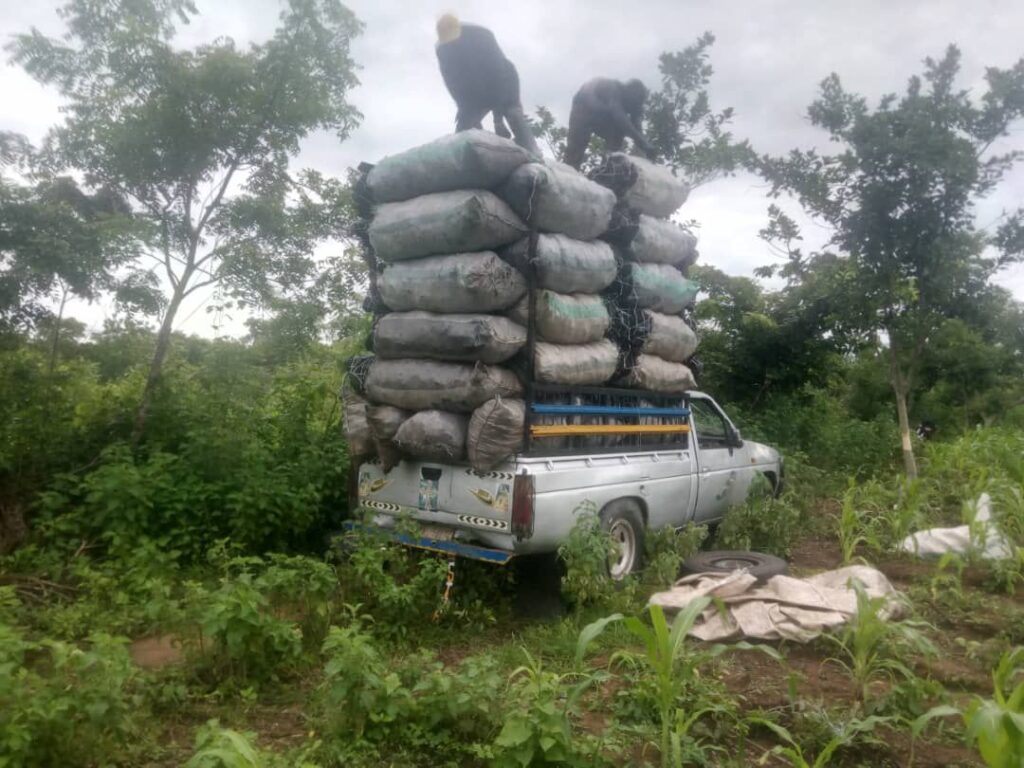
Exporting charcoal can offer opportunities for businesses that can meet international buyer requirements.
However, export is more complex than domestic trading.
Exporters need to understand:
- Product specifications
- Buyer requirements
- Quality standards
- Legal sourcing
- Export approvals
- Documentation
- Packaging
- Shipping
- Customs procedures
- Payment arrangements
- International logistics
- Buyer verification
Before making a large investment, verify the buyer's identity, business registration, order specifications, payment terms and shipping arrangements.
Never assume that a person claiming to be an international buyer has a genuine order.
What Export Buyers May Require
Depending on the destination and intended application, buyers may request information about:
- Wood species
- Product type
- Moisture content
- Fixed carbon
- Ash content
- Volatile matter
- Piece size
- Packaging
- Quantity
- Origin
- Production method
- Sustainability documentation
Requirements vary between buyers and countries.
Exporters should verify the current legal and documentary requirements with the appropriate Nigerian authorities, including the relevant forestry authorities, export agencies and customs authorities.
Common Mistakes in Charcoal Business
1. Buying Without Inspecting the Product
Poor-quality charcoal can result in customer complaints and losses.
Always inspect the product and test samples when possible.
2. Ignoring Transportation Costs
A cheap purchase price does not automatically mean a profitable transaction.
Calculate the complete delivered cost.
3. Buying Too Much Stock
Excessive inventory can tie up capital and create storage problems.
Start with quantities that match your sales capacity.
4. Selling Without Knowing Your Market
Do not assume customers will automatically buy because charcoal is widely used.
Research your local demand and competitors.
5. Depending on One Supplier
Supply interruptions can damage your business.
Develop relationships with multiple reliable suppliers.
6. Giving Too Much Credit
Customers who delay payment can prevent you from buying new stock.
Set clear credit limits.
7. Poor Storage
Moisture, fire, theft and handling losses can reduce your profit.
Invest in appropriate storage arrangements.
8. Ignoring Legal Sourcing
Commercial charcoal should be sourced and handled responsibly and in accordance with applicable requirements.
Illegal sourcing can create serious business and environmental risks.
9. Failing to Keep Records
Without proper records, you may not know your real profit or inventory position.
Record every transaction.
Is Charcoal Business Suitable for Beginners?
Yes, charcoal trading may be suitable for beginners who understand their market and start with manageable quantities.
A beginner can start by buying a limited quantity from a reliable supplier and selling to households, retailers or nearby businesses.
The most important skills are:
- Negotiation
- Quality inspection
- Market research
- Customer acquisition
- Inventory management
- Cost calculation
- Supplier management
- Cash-flow management
Beginners should generally avoid investing heavily in production equipment or export operations before understanding the local market.
A Practical 30-Day Plan for Starting Charcoal Business
Week 1: Market Research
Visit charcoal markets and potential customers.
Collect information about prices, bag sizes, suppliers, demand and competition.
Week 2: Supplier Identification
Find at least three suppliers.
Purchase small samples and compare quality.
Calculate transport costs from each source.
Week 3: Customer Development
Contact retailers, restaurants, suya vendors and barbecue businesses.
Try to obtain initial orders or customer commitments.
Prepare your storage and business arrangements.
Week 4: Start Trading
Purchase your first manageable stock.
Inspect the goods, record the quantity and costs, and begin selling.
Monitor sales and customer feedback.
At the end of the month, calculate your actual profit and determine whether you should increase stock.
Frequently Asked Questions About Charcoal Business in Nigeria
Is charcoal business profitable in Nigeria?
Charcoal business can be profitable when the entrepreneur sources good-quality charcoal at competitive prices, controls transportation and handling costs, finds regular customers and manages inventory efficiently.
Profitability is not guaranteed and varies by location, market demand, product quality and operating costs.
How much money do I need to start charcoal business?
The required capital depends on the business model.
A small retail operation may begin with a few hundred thousand naira, while wholesale distribution may require ₦1 million, ₦2 million or more depending on stock quantities, transportation and storage.
Where can I buy charcoal in bulk in Nigeria?
Charcoal can be sourced from rural production communities, wholesalers, aggregators, market traders and suppliers in areas with charcoal production.
Always inspect the quality and verify sourcing before purchasing large quantities.
Can I sell charcoal from home?
You may be able to operate a small business from a suitable home storage or sales location, subject to safety, local requirements, space and the nature of your operation.
Charcoal should be stored safely and away from ignition sources.
Is charcoal export profitable?
Export may offer opportunities, but profitability depends on product specifications, sourcing, legal approvals, logistics, international demand, buyer terms and shipping costs.
Exporting charcoal requires careful preparation and verification.
What is the best type of charcoal to sell?
The best type depends on your target customers.
Ordinary lump charcoal may suit households and general cooking, while premium charcoal may appeal to barbecue businesses and restaurants.
Briquettes may appeal to customers seeking uniform fuel products.
Can charcoal dust be used to make money?
Charcoal dust and fines may be used in the production of charcoal briquettes if the material is clean and suitable.
This can create an additional income stream for businesses that handle large quantities of charcoal.
What is the biggest challenge in charcoal business?
Common challenges include supply reliability, transportation costs, poor product quality, price fluctuations, storage problems, customer credit and regulatory compliance.
Conclusion
The charcoal business in Nigeria can provide opportunities for entrepreneurs willing to understand the market, build reliable supplier relationships, maintain quality and manage costs carefully.
The business can be started through small-scale retailing and gradually expanded into wholesale distribution, packaging, production, briquette manufacturing or export.
However, success does not depend simply on buying charcoal cheaply and selling it at a higher price. The entrepreneur must understand the complete value chain, including sourcing, transportation, storage, customer demand, quality control, financial management and environmental responsibility.
A practical approach is to begin with a manageable quantity, test your market, establish repeat customers, record every expense and reinvest profits carefully.
With proper planning and responsible sourcing, charcoal trading can become a sustainable business opportunity that supports livelihoods, creates employment and contributes to the local economy.
Disclaimer: The financial examples in this article are illustrative estimates for educational purposes only. Actual charcoal prices, costs, profit margins, permits and market conditions vary by location and time. Verify current prices and applicable legal requirements before investing.
Latest posts;
- Beans Farming: A Complete Guide to Different Types of Beans, Their Uses, Nutrition, and Farming

- Cassava Farming in Africa: A Complete Guide to Planting, Growing, Harvesting and Making Profit from Cassava

- CATFISH FARMING(HYBRID): THE COMPLETE STEP-BY-STEP GUIDE FOR BEGINNERS AND COMMERCIAL FARMERS (2026 EDITION)
- Cattle Fattening Business: Complete Guide to Raising Beef Cattle for Profit

- Charcoal Business in Nigeria: A Complete Guide to Starting, Producing, Buying, Selling and Exporting Charcoal
- COCOA FARMING IN AFRICA: A Complete Professional Guide (Part 1)

- COCOA FARMING IN AFRICA: A Complete Professional Guide (Part 2)

- Commercial Carrot Farming: A Complete Guide to Growing Carrots for Profit

- Commercial Cashew Farming: A Complete Guide to Growing Cashew for Profit

- Commercial Cattle Farming: Complete Guide to Raising Cattle for Profit