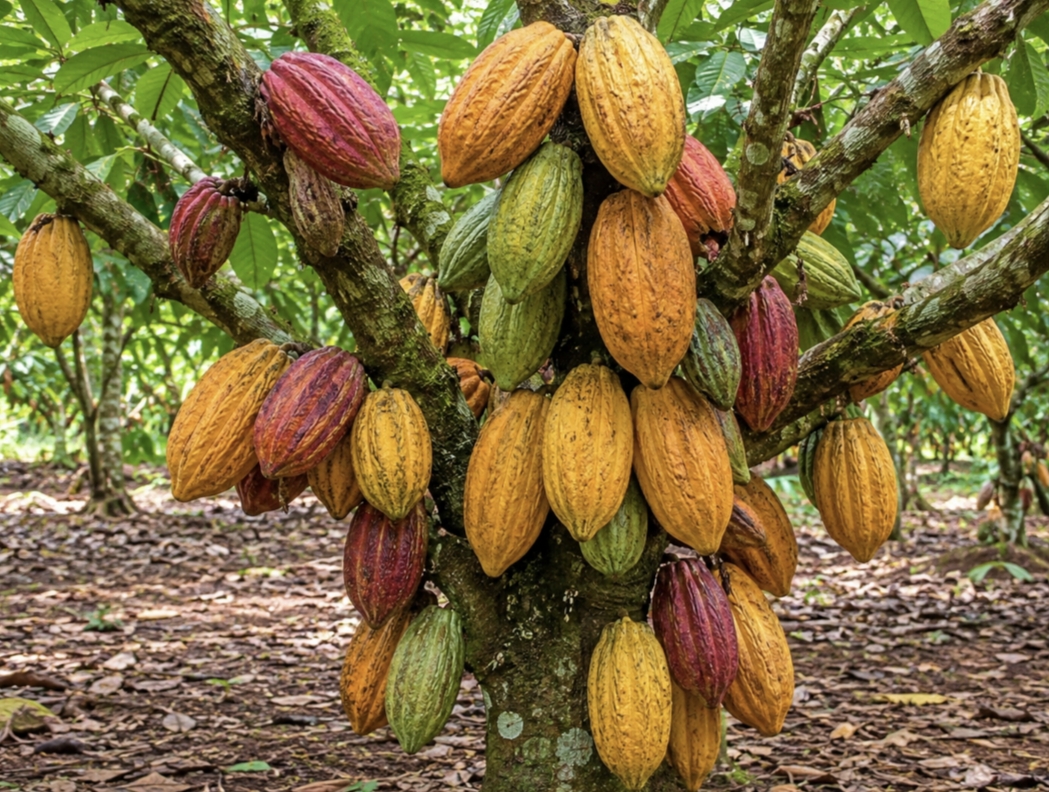
INTRODUCTION
Cocoa (Theobroma cacao) is one of the world's most valuable cash crops and the primary raw material used in the production of chocolate, cocoa powder, cocoa butter, cosmetics, beverages, pharmaceuticals, and numerous confectionery products. The name Theobroma cacao means "Food of the Gods," reflecting its long history and economic importance.
Africa is the world's leading cocoa-producing continent, accounting for approximately 70% of global cocoa production. Millions of smallholder farmers depend on cocoa cultivation as their primary source of income. The crop also contributes significantly to export earnings, employment, rural development, and foreign exchange in many African countries.
With increasing global demand for chocolate and cocoa-based products, cocoa farming continues to offer excellent opportunities for farmers, agribusiness investors, exporters, and processors. However, successful cocoa production requires proper site selection, improved planting materials, sound farm management, effective pest and disease control, and careful post-harvest handling.
This guide provides practical knowledge for establishing and managing profitable cocoa farms in Africa while promoting sustainable production practices.
Economic Importance of Cocoa
Cocoa is one of the most valuable agricultural commodities traded internationally.
Its importance includes:
- Generates billions of dollars in export earnings.
- Provides employment for millions of people.
- Supports rural livelihoods.
- Supplies raw materials for chocolate manufacturing.
- Produces cocoa butter for cosmetics and pharmaceuticals.
- Contributes significantly to national economies.
- Encourages agroforestry and environmental conservation.
- Creates opportunities for value addition and processing industries.
Origin and History of Cocoa
Cocoa originated in the tropical rainforests of Central and South America, where it was cultivated by ancient civilizations such as the Maya and Aztec peoples.
European explorers introduced cocoa to other parts of the world during the colonial era. By the late nineteenth century, cocoa had spread successfully to West Africa, where favourable climatic conditions supported its rapid expansion.
Today, West Africa is recognized as the global centre of cocoa production.
Botanical Description
Cocoa is a perennial evergreen tree belonging to the family Malvaceae.
Important characteristics include:
- Scientific name: Theobroma cacao
- Lifespan: 30–50 years or more with good management.
- Productive period: Often begins 2–4 years after planting, depending on the variety and management.
- Mature height: Approximately 4–8 metres under cultivation.
- Root system: Deep taproot with extensive lateral roots.
- Flowers: Small pink or white flowers produced on the trunk and older branches (a phenomenon known as cauliflory).
- Fruit: Pods containing 20–60 cocoa beans surrounded by sweet pulp.
Uses of Cocoa
Cocoa beans are processed into numerous products, including:
- Chocolate
- Cocoa powder
- Cocoa butter
- Cocoa liquor
- Confectionery
- Beverages
- Bakery ingredients
- Ice cream
- Cosmetics
- Pharmaceuticals
By-products such as cocoa pod husks can also be composted or used in organic fertilizer production.
Climate Requirements
Cocoa grows best in humid tropical regions.
Temperature
The ideal temperature ranges between 21°C and 32°C.
Extreme temperatures or prolonged cold conditions reduce growth and productivity.
Rainfall
Cocoa requires 1,500–2,500 mm of well-distributed annual rainfall.
Extended dry periods can reduce flowering, pod development, and yield.
Relative Humidity
High humidity, generally between 70% and 100%, supports healthy cocoa growth.
Altitude
Most cocoa is successfully cultivated from sea level up to about 800 metres above sea level, although local conditions influence suitability.
Soil Requirements
Cocoa performs best on fertile, well-drained soils rich in organic matter.
Ideal soil characteristics include:
- Deep soil profile.
- Loamy or clay loam texture.
- Good drainage.
- High organic matter.
- Soil pH between 5.5 and 7.0.
- Good moisture-holding capacity.
Avoid shallow, waterlogged, saline, or highly compacted soils.
Conducting a soil test before establishing a plantation helps determine nutrient status and any soil amendments that may be required.
Land Selection
Selecting suitable land is essential because cocoa plantations remain productive for several decades.
The ideal site should:
- Receive adequate rainfall.
- Have fertile soil.
- Be well drained.
- Be protected from strong winds.
- Have access to roads and markets.
- Be suitable for long-term agricultural use.
- Have access to water for nursery management where needed.
Major Cocoa-Producing Countries in Africa
Africa dominates global cocoa production, with West Africa producing the largest share.
Côte d'Ivoire
Côte d'Ivoire is the world's largest cocoa producer and exporter. Cocoa is the country's most important agricultural export and supports millions of livelihoods. The country has extensive plantations and a well-developed cocoa marketing system.
Ghana
Ghana is internationally recognized for producing premium-quality cocoa beans. Its cocoa industry is supported by strong research institutions, quality control systems, and extension services. Ghanaian cocoa commands a strong reputation in international markets.
Nigeria
Nigeria is one of Africa's leading cocoa producers, with production concentrated mainly in the southern states, including Ondo, Cross River, Osun, Ogun, Ekiti, Oyo, Edo, and parts of Delta State. Cocoa remains an important source of export earnings and income for many farming communities.
Cameroon
Cameroon has a well-established cocoa sector, producing high-quality beans for export. Cocoa farming is concentrated in the southern and central regions, where climatic conditions are favourable.
Uganda
Uganda has expanded cocoa production significantly in recent years. The crop has become an increasingly important source of income for smallholder farmers, particularly in central and western regions.
Sierra Leones
Sierra Leone's cocoa sector continues to grow, with increasing emphasis on quality improvement, farmer training, and export development.
Liberia
Liberia produces cocoa mainly through smallholder farmers. Government and development programs continue to support expansion and improved production practices.
Togo
Togo produces cocoa primarily for export, with production concentrated in suitable forest regions.
Madagascar
Madagascar is known for producing distinctive fine-flavour cocoa, which is highly valued by specialty chocolate manufacturers around the world.
Democratic Republic of the Congo
The Democratic Republic of the Congo has significant potential for cocoa expansion due to its favourable climate and abundant agricultural land.
Why Africa Leads Global Cocoa Production
Several factors contribute to Africa's dominance in cocoa production:
- Favourable tropical climate.
- Suitable soils.
- Large areas of cultivable land.
- Long history of cocoa cultivation.
- Availability of experienced farmers.
- Strong international demand for African cocoa.
- Government and private-sector support in many producing countries.
Types of Cocoa
Commercial cocoa varieties are generally classified into three main groups:
Forastero
The most widely cultivated type worldwide. It is high-yielding, hardy, and widely grown across West Africa.
Criollo
Known for exceptional flavour and aroma but generally lower yields. It is mainly used for premium chocolate production.
Trinitario
A hybrid of Forastero and Criollo that combines good flavour with improved productivity and disease tolerance.
Improved Cocoa Varieties
Selecting the right planting material is one of the most important decisions in cocoa farming. Improved varieties generally produce higher yields, begin bearing earlier, and offer better resistance to pests and diseases than unimproved local varieties.
- High yield potential
- Early bearing
- Good bean quality
- Disease resistance
- Drought tolerance where possible
- Strong adaptability to local conditions
- High market acceptance
Farmers should obtain seedlings or planting materials from certified nurseries, agricultural research institutes, or government-approved sources.
Cocoa Propagation Methods
Cocoa can be propagated using several methods.
1. Seed Propagation
This is the most common method used by smallholder farmers.
Fresh seeds should be planted soon after extraction because cocoa seeds lose their viability quickly if allowed to dry out.
Advantages include:
- Simple technique
- Low establishment cost
- Suitable for large-scale seedling production
2. Budding
Budding involves joining a bud from a superior cocoa tree to a healthy rootstock.
Benefits include:
- Uniform plantations
- Earlier fruiting
- Improved disease resistance
- Better yield consistency
3. Grafting
Grafting joins a selected scion from a high-performing tree to a vigorous rootstock.
Advantages include:
- Faster establishment
- Earlier production
- Improved genetic quality
- Uniform growth
4. Vegetative Propagation
Modern commercial plantations often use vegetative propagation techniques to maintain desirable characteristics.
These methods produce trees with consistent yield, bean quality, and growth habits.
Nursery Establishment
Healthy seedlings are essential for establishing a productive cocoa plantation.
Site Selection
Choose a nursery site that:
- Has fertile soil
- Has access to clean water
- Is well drained
- Receives partial shade
- Is close to the planting field if possible
- Is protected from livestock and strong winds
Preparing Nursery Bags
Most nurseries use black polyethylene bags filled with fertile topsoil mixed with well-decomposed organic matter.
The growing medium should:
- Drain well
- Retain adequate moisture
- Be free from stones
- Be free from weed seeds
- Be free from disease-causing organisms
Sowing Seeds
Fresh cocoa seeds should be sown carefully into nursery bags.
Good nursery practices include:
- Watering regularly
- Providing adequate shade
- Removing weeds promptly
- Inspecting seedlings frequently for pests and diseases
- Discarding weak or diseased seedlings
Healthy seedlings are generally ready for field transplanting after 4–6 months, depending on growth conditions.
Land Preparation
Proper land preparation provides favourable conditions for long-term plantation establishment.
Key activities include:
Land Clearing
Remove unwanted vegetation while preserving useful shade trees where appropriate.
Avoid unnecessary burning because it destroys valuable organic matter and beneficial soil organisms.
Surveying the Plantation
Mark planting rows carefully to achieve uniform spacing and facilitate future farm operations.
Drainage
Construct drainage channels where necessary to prevent waterlogging during the rainy season.
Shade Management
Young cocoa plants require shade during their early years.
Shade protects seedlings from:
- Excessive sunlight
- Heat stress
- Strong winds
- Moisture loss
Common temporary shade crops include:
- Plantain
- Banana
- Cassava (in some systems)
Permanent shade trees may also be established to support long-term agroforestry systems.
Proper shade management improves soil fertility, conserves moisture, and enhances biodiversity.
Planting Season
The best time to transplant cocoa seedlings is at the beginning of the rainy season.
Planting during this period provides sufficient soil moisture for root establishment and reduces transplanting shock.
Avoid planting during prolonged dry periods unless irrigation is available.
Field Planting
Healthy seedlings should be transplanted carefully to avoid damaging the root system.
Planting Procedure
- Dig planting holes well before transplanting.
- Mix topsoil with well-decomposed organic manure if available.
- Remove the nursery bag carefully without disturbing the root ball.
- Place the seedling upright in the planting hole.
- Fill the hole gently with soil.
- Firm the soil lightly around the base.
- Water immediately if rainfall is insufficient.
Recommended Plant Spacing
Proper spacing promotes healthy growth, good air circulation, and efficient field management.
Common spacing systems include:
- 3 m × 3 m
- 3 m × 2.5 m, depending on the production system and local recommendations.
Correct spacing reduces competition for sunlight, water, and nutrients.
Mulching
Mulching is highly beneficial in young cocoa plantations.
Suitable mulch materials include:
- Dry grass
- Plantain leaves
- Cocoa pod husks (well composted)
- Other organic plant residues
Benefits of mulching include:
- Conserves soil moisture
- Suppresses weeds
- Reduces soil erosion
- Improves soil fertility as organic matter decomposes
- Moderates soil temperature
Keep mulch a short distance away from the stem to reduce the risk of stem diseases.
Water Management
Although cocoa depends largely on rainfall in Africa, adequate moisture is essential during establishment.
Young seedlings should receive sufficient water during dry spells until they become well established.
Good drainage is equally important because prolonged waterlogging damages cocoa roots.
Early Weed Management
Weeds compete with young cocoa plants for water, nutrients, and sunlight.
Effective weed control methods include:
- Manual weeding
- Mulching
- Cover crops
- Careful use of approved herbicides where appropriate
Frequent weeding is especially important during the first two to three years after planting.
Fertility Management During Establishment
Young cocoa plants benefit from healthy soils rich in organic matter.
Recommended practices include:
- Applying compost or well-rotted manure.
- Maintaining mulch around plants.
- Conducting soil tests where possible.
- Applying fertilizers based on soil nutrient requirements and local extension recommendations.
Balanced nutrition encourages vigorous root development and healthy canopy growth.
Intercropping
Many farmers intercrop young cocoa plantations before the cocoa canopy closes.
Common intercrops include:
- Plantain
- Banana
- Cassava
- Cocoyam
- Maize (during the early establishment stage)
Intercropping provides additional income while the cocoa plantation is still immature, but crops should be managed to avoid excessive competition with young cocoa trees.
Early Plantation Care
During the first few years, farmers should regularly:
- Replace dead seedlings promptly.
- Remove weeds.
- Inspect for pests and diseases.
- Maintain shade trees.
- Apply mulch.
- Monitor plant growth.
- Protect young trees from livestock and fire.
Proper early management determines the long-term productivity of the plantation.
Cocoa Farm Management
Proper farm management is essential for maintaining healthy cocoa trees and achieving high yields over many years. A well-managed cocoa plantation can remain productive for 30–50 years or more.
Good management practices include:
- Regular field inspections
- Timely fertilizer application
- Weed control
- Pruning
- Shade management
- Pest and disease monitoring
- Good sanitation
- Accurate farm record keeping
Consistent management throughout the year helps improve productivity and bean quality.
Soil Fertility Management
Cocoa trees remove nutrients from the soil each year through pod production. These nutrients must be replenished to maintain healthy growth and high yields.
The major nutrients required include:
- Nitrogen (N): Promotes leaf and shoot development.
- Phosphorus (P): Supports strong root growth and flowering.
- Potassium (K): Improves pod development, bean quality, and disease resistance.
Secondary nutrients such as calcium, magnesium, sulphur, and micronutrients such as zinc and boron are also important.
Organic Fertilizers
Organic matter improves soil fertility and structure while increasing beneficial microbial activity.
Suitable organic materials include:
- Compost
- Poultry manure
- Cow dung
- Goat manure
- Cocoa pod husk compost
- Green manure
Well-decomposed organic manure should be applied around the root zone while avoiding direct contact with the tree trunk.
Mineral Fertilizers
Mineral fertilizers should be applied based on soil test results and local agricultural recommendations.
Good fertilizer management includes:
- Applying fertilizer during periods of adequate soil moisture.
- Distributing fertilizer evenly around the tree's drip line.
- Avoiding fertilizer contact with the stem.
- Splitting applications where recommended to improve nutrient efficiency.
Balanced fertilization improves flowering, pod set, and bean quality.
Water Management
Most cocoa farms in Africa rely on rainfall, but water management remains important.
Recommended practices include:
- Conserving soil moisture through mulching.
- Maintaining shade trees.
- Improving soil organic matter.
- Providing supplementary irrigation where available during prolonged dry periods.
- Preventing waterlogging through proper drainage.
Healthy moisture levels encourage steady growth and reduce plant stress.
Shade Management
Shade management is an important aspect of cocoa production.
Young cocoa plants require more shade than mature trees. As plantations mature, shade should be carefully regulated to allow sufficient sunlight while protecting trees from excessive heat.
Benefits of proper shade management include:
- Reduced heat stress
- Improved soil moisture conservation
- Better biodiversity
- Reduced weed growth
- Protection against strong winds
Excessive shade, however, may increase humidity and encourage fungal diseases.
Pruning
Pruning improves tree structure, increases air circulation, and enhances light penetration.
Regular pruning should remove:
- Dead branches
- Diseased branches
- Broken branches
- Water shoots
- Crossing branches
- Excessively low branches
Benefits of pruning include:
- Improved flowering
- Better pod production
- Reduced disease incidence
- Easier harvesting
- Improved spray coverage during pest management
Pruning tools should be clean and sharp to reduce the spread of diseases.
Weed Management
Weeds compete with cocoa trees for nutrients, sunlight, and water, particularly during the early years of plantation establishment.
Effective weed control methods include:
Manual Weeding
Hand weeding using hoes or cutlasses remains common among smallholder farmers.
Mulching
Organic mulch suppresses weed growth while improving soil fertility.
Cover Crops
Suitable cover crops help reduce weed pressure and protect the soil from erosion.
Herbicides
Approved herbicides may be used carefully according to label instructions and local recommendations.
Integrated weed management provides the best long-term results.
Flowering and Pollination
Cocoa trees produce thousands of small flowers each year on the trunk and major branches.
Only a small percentage of these flowers develop into mature pods.
Pollination is mainly carried out by tiny insects known as midges, which are essential for successful fruit set.
Maintaining healthy farm environments with adequate organic matter helps support these beneficial pollinators.
Pod Development
After successful pollination, pods develop gradually over several months.
Healthy pod development depends on:
- Adequate rainfall
- Balanced nutrition
- Healthy leaves
- Effective pest control
- Proper disease management
Stress during pod development may reduce bean size and overall yield.
Common Pests of Cocoa
Several pests can reduce cocoa production if left unmanaged.
Cocoa Mirids (Capsids)
Cocoa mirids are among the most destructive insect pests in Africa.
Symptoms
- Brown lesions on stems and pods
- Dieback of young shoots
- Reduced pod production
Management
- Regular field monitoring.
- Good farm sanitation.
- Timely pruning.
- Application of approved insecticides when necessary and according to local recommendations.
Cocoa Pod Borer
The cocoa pod borer damages developing pods, reducing bean quality and yield.
Control measures include:
- Frequent harvesting.
- Removal of infested pods.
- Good field sanitation.
- Integrated pest management practices.
Mealybugs
Mealybugs suck plant sap and may transmit viral diseases.
Management includes:
- Controlling ant populations that protect mealybugs.
- Encouraging natural predators.
- Applying approved control measures where necessary.
Rodents
Rodents may feed on cocoa pods and damage young trees.
Control methods include:
- Farm sanitation.
- Removing hiding places.
- Trapping where appropriate.
- Protecting young plantations.
Common Cocoa Diseases
Disease prevention is generally more effective and economical than treatment.
Black Pod Disease
Black pod disease is one of the most destructive diseases affecting cocoa production in Africa.
Symptoms
- Dark brown or black patches on pods.
- Pod rot.
- Premature pod drop.
Prevention
- Regular harvesting.
- Removing infected pods.
- Proper pruning.
- Good drainage.
- Maintaining appropriate shade levels.
- Applying approved fungicides when necessary.
Swollen Shoot Disease
This viral disease is particularly important in West Africa.
Symptoms
- Swollen stems.
- Reddening or yellowing of leaves.
- Reduced growth.
- Poor yield.
Infected trees are generally removed to prevent further spread, and planting resistant or tolerant material where available is encouraged.
Vascular-Streak Dieback
This disease causes branch dieback and leaf yellowing.
Good field sanitation and pruning help reduce its impact.
Integrated Pest Management (IPM)
Integrated Pest Management combines several environmentally responsible methods to reduce pest damage.
Key IPM practices include:
- Plant resistant varieties where available.
- Monitor plantations regularly.
- Maintain proper shade management.
- Prune trees routinely.
- Remove diseased pods and branches.
- Encourage beneficial insects.
- Apply pesticides only when necessary and according to label instructions.
IPM helps reduce production costs while protecting beneficial organisms and the environment.
Record Keeping
Maintaining accurate farm records improves management decisions.
Important records include:
- Planting dates
- Variety planted
- Fertilizer applications
- Pest and disease observations
- Labour costs
- Harvest quantities
- Sales records
- Input expenses
Good records allow farmers to evaluate profitability and plan future production more effectively.
Conclusion of Part 1
Africa remains the heart of global cocoa production, supplying most of the cocoa beans used by the international chocolate industry. With favourable climatic conditions, suitable soils, and growing global demand, cocoa farming offers excellent opportunities for farmers and agribusiness investors. Choosing the right production area, understanding the crop's requirements, and selecting suitable varieties provide the foundation for a productive and profitable cocoa plantation.
Establishing a successful cocoa plantation begins with selecting improved planting materials, producing healthy nursery seedlings, preparing land properly, and transplanting at the right time. Good shade management, proper spacing, weed control, mulching, and careful early maintenance allow young cocoa trees to establish strong root systems and healthy canopies that support profitable production for decades.
Effective farm management is the foundation of a productive cocoa plantation. Balanced soil fertility, proper pruning, careful shade management, timely weed control, and integrated pest and disease management all contribute to healthy trees and higher yields. Farmers who inspect their plantations regularly and respond quickly to emerging problems can maintain productive cocoa farms for many decades.
In Part 2, we will discuss harvesting, pod breaking, fermentation, drying, grading, storage, quality standards, post-harvest handling, and methods for producing premium export-quality cocoa beans, cocoa processing, marketing, export opportunities, profitability, certification schemes, climate-smart cocoa farming, and business planning for commercial cocoa production, common mistakes to avoid, best management practices, a yearly cocoa production calendar, frequently asked questions (FAQs), and a comprehensive conclusion to complete this professional cocoa farming guide.
Read more;
- Transforming Agriculture: How an Effective Website Can Boost Your Agro Business

- MODERN AGRICULTURE WITH MASSIVE INCOME
- HIGH YIELD PLANTAIN AND BANANA FARMING:The Complete Guide to High-Yield, Profitable Commercial Production. (2026 EDITION)
- Transforming Agriculture with Cutting-Edge Web Solutions

- CATFISH FARMING(HYBRID): THE COMPLETE STEP-BY-STEP GUIDE FOR BEGINNERS AND COMMERCIAL FARMERS (2026 EDITION)
- SUCCESSFUL WATERMELON FARMING: A Complete Guide to Growing Watermelon for Profit.
- GROUNDNUT FARMING IN NIGERIA: A Complete Professional Guide to Production, Management, Harvesting and Profitability.
- MAIZE FARMING IN NIGERIA: A Comprehensive Professional Guide (Part 1)
- MAIZE FARMING IN NIGERIA: A Comprehensive Professional Guide (Part 2)