INTRODUCTION
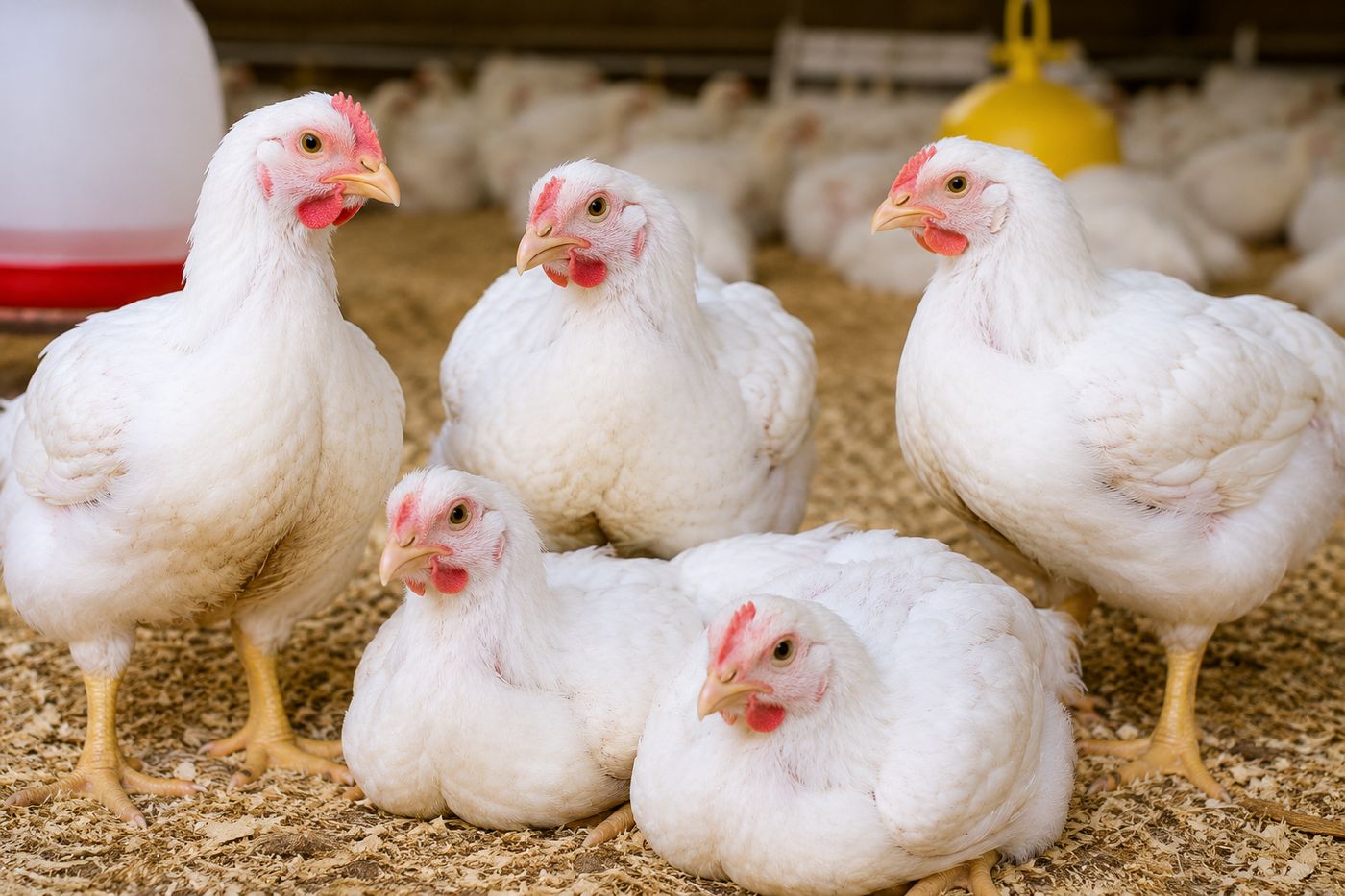
Hybrid broiler chicken farming is one of the fastest-growing and most profitable livestock enterprises in Nigeria. Broilers are specially bred meat chickens that grow rapidly, convert feed efficiently, and reach market weight within a short period, usually 6–8 weeks under good management. Their fast growth, high demand, and relatively quick return on investment make them an attractive business for both small-scale and commercial farmers.
As Nigeria's population continues to grow, so does the demand for affordable, high-quality animal protein. Restaurants, hotels, fast-food outlets, supermarkets, frozen food distributors, and households consume large quantities of broiler meat every day, creating excellent market opportunities for poultry producers.
Success in broiler farming depends on careful planning, quality day-old chicks, proper housing, balanced nutrition, disease prevention, good biosecurity, and effective marketing. This guide provides practical information to help beginners and experienced farmers establish and manage profitable hybrid broiler enterprises.
IMPORTANCE OF HYBRID BROILER FARMING
Hybrid broiler farming offers numerous economic and nutritional benefits.
Major advantages include:
- Rapid growth and short production cycle.
- High demand throughout the year.
- Quick return on investment.
- Excellent feed conversion efficiency.
- Suitable for small and commercial farms.
- Creates employment opportunities.
- Contributes to food security.
- Supplies high-quality animal protein.
- Produces manure that can be used as organic fertilizer.
With proper management, several production cycles can be completed each year, increasing annual income.
POPULAR HYBRID BROILER BREEDS
Modern broiler strains have been developed through selective breeding to achieve rapid growth, efficient feed conversion, and high meat yield.
Cobb 500
One of the most popular broiler strains worldwide.
Characteristics include:
- Excellent feed conversion.
- Fast growth.
- Strong breast meat development.
- Good adaptability.
- High survival rate under proper management.
Ross 308
Ross 308 is widely used by commercial poultry farmers.
Advantages include:
- Rapid weight gain.
- Efficient feed utilization.
- Uniform growth.
- High meat yield.
Arbor Acres
Arbor Acres broilers are known for:
- Strong growth performance.
- Excellent livability.
- Good feed efficiency.
- Adaptability to different management systems.
Hubbard
Hubbard broilers perform well under tropical conditions.
Benefits include:
- Strong disease tolerance under good management.
- Rapid growth.
- Good carcass quality.
- Efficient feed utilization.
Farmers should obtain day-old chicks from reputable hatcheries to ensure good genetic performance and healthy flock development.
HOUSING REQUIREMENTS
Good housing protects broilers from harsh weather, predators, and disease while providing a comfortable environment for rapid growth.
A good poultry house should provide:
- Adequate ventilation.
- Good lighting.
- Dry conditions.
- Protection from rain.
- Protection from excessive heat.
- Easy cleaning and disinfection.
- Sufficient floor space.
Poor housing increases stress, disease outbreaks, and mortality.
SITE SELECTION
Choose a location that:
- Has good road access.
- Is free from flooding.
- Has clean water available.
- Has reliable electricity where possible.
- Is away from refuse dumps and polluted areas.
- Is accessible to markets.
- Allows room for future expansion.
Avoid locating poultry farms close to other poultry operations to reduce the risk of disease transmission.
POULTRY HOUSE DESIGN
Broilers can be raised using different housing systems.
Common systems include:
Deep Litter System
This is the most widely used system in Nigeria.
Wood shavings, rice husks, or similar absorbent materials are spread on the floor to absorb moisture and provide insulation.
Environmentally Controlled Houses
Large commercial farms often use modern poultry houses equipped with automated ventilation, cooling systems, feeders, and drinkers to optimize bird performance.
ESSENTIAL POULTRY EQUIPMENT
Every broiler farm should have adequate equipment before chicks arrive.
Essential equipment includes:
- Chick feeders.
- Grower feeders.
- Automatic or manual drinkers.
- Brooders or heating equipment.
- Thermometers.
- Hygrometers (optional but useful).
- Weighing scale.
- Buckets.
- Feed storage bins.
- Disinfectant footbaths.
- Cleaning brushes.
- Wheelbarrows.
- Shovels.
Good-quality equipment improves efficiency and reduces wastage.
PREPARING THE POULTRY HOUSE
Preparation should begin at least two weeks before the arrival of chicks.
Key activities include:
- Remove old litter.
- Wash all equipment thoroughly.
- Disinfect the poultry house.
- Repair damaged structures.
- Control rodents and insects.
- Install fresh litter.
- Test drinkers and feeders.
- Ensure brooding equipment functions properly.
Proper preparation greatly reduces disease risks.
LITTER MANAGEMENT
Good litter provides comfort and helps maintain a healthy environment.
Suitable litter materials include:
- Wood shavings
- Rice husks
- Chopped straw
- Groundnut hulls
Litter should remain:
- Dry
- Clean
- Loose
- Free from mould
- Odour-free
Wet litter encourages bacterial growth, ammonia production, and footpad problems.
CHOOSING HEALTHY DAY-OLD CHICKS
The quality of chicks largely determines the success of the production cycle.
Healthy chicks should be:
- Active and alert.
- Bright-eyed.
- Uniform in size.
- Free from deformities.
- Free from pasting around the vent.
- Well vaccinated according to hatchery protocols.
- Have healed navels.
Always purchase chicks from reputable hatcheries with a proven record of quality.
BROODING MANAGEMENT
The brooding period, which usually lasts the first 14 days, is the most critical stage in broiler production.
Young chicks cannot regulate their body temperature effectively and require supplemental heat.
Brooding Temperature
Provide adequate warmth before chicks arrive.
Observe chick behaviour:
- Chicks crowding under the heat source indicate they are cold.
- Chicks staying far from the heat source indicate excessive heat.
- Evenly distributed chicks indicate a comfortable temperature.
Gradually reduce brooding temperature each week as the chicks grow and develop feathers.
WATER MANAGEMENT DURING BROODING
Clean drinking water should be available immediately after chick placement.
Good water management includes:
- Using clean drinkers.
- Changing water regularly.
- Preventing contamination.
- Ensuring birds can easily access water.
Water is essential for digestion, nutrient absorption, and healthy growth.
EARLY FEEDING
Provide high-quality broiler starter feed immediately after chicks are placed in the brooder.
During the first few days:
- Feed little and often.
- Keep feeders clean.
- Avoid stale or mouldy feed.
- Ensure all chicks can reach the feed easily.
Proper nutrition during the brooding period lays the foundation for rapid growth and efficient feed conversion.
FEEDING AND NUTRITION
Proper nutrition is the foundation of successful broiler production. Hybrid broilers have been genetically developed to grow rapidly, but they can only achieve their full potential when they receive balanced diets containing the right amounts of energy, protein, vitamins, minerals, amino acids, and clean water.
High-quality commercial feeds formulated specifically for broilers are generally recommended because they provide balanced nutrition for each stage of growth.
BROILER FEEDING STAGES
Broilers require different feed formulations as they grow.
1. Broiler Starter Feed (0–14 Days)
Starter feed supports rapid early growth and strong immune system development.
Characteristics include:
- High protein content
- Balanced vitamins and minerals
- Easily digestible ingredients
- Fine particle size suitable for chicks
Young chicks should have access to feed at all times.
2. Broiler Grower Feed (15–28 Days)
Grower feed continues to support muscle development and skeletal growth.
Compared with starter feed, it contains slightly less protein but sufficient energy to promote healthy weight gain.
3. Broiler Finisher Feed (29 Days to Market)
Finisher feed is designed to maximize body weight and meat production before sale.
Good-quality finisher feed helps birds achieve excellent carcass quality and feed conversion efficiency.
FEEDING MANAGEMENT
Successful feeding involves more than simply providing feed.
Farmers should:
- Feed birds according to their age.
- Prevent feed contamination.
- Store feed in a cool, dry place.
- Protect feed from rodents.
- Remove mouldy feed immediately.
- Clean feeders regularly.
- Avoid unnecessary feed wastage.
Good feed management reduces production costs and improves profitability.
WATER MANAGEMENT
Water is the most important nutrient for poultry.
Broilers require unrestricted access to clean drinking water throughout the production cycle.
Good water management includes:
- Providing fresh water daily.
- Washing drinkers regularly.
- Preventing contamination by litter and droppings.
- Ensuring enough drinkers are available for all birds.
- Monitoring water intake, as sudden reductions may indicate health problems.
During hot weather, birds consume more water than feed, making water availability especially critical.
TEMPERATURE MANAGEMENT
Maintaining the correct house temperature encourages good feed intake and rapid growth.
As birds grow, their heating requirements decrease.
Good temperature management includes:
- Monitoring bird behaviour regularly.
- Preventing sudden temperature changes.
- Ensuring proper ventilation.
- Avoiding overcrowding.
- Protecting birds from cold drafts.
Signs of temperature stress should be corrected immediately to prevent poor performance.
VENTILATION
Fresh air is essential for healthy broilers.
Good ventilation helps:
- Remove excess moisture.
- Reduce ammonia buildup.
- Supply oxygen.
- Remove harmful gases.
- Control house temperature.
Poor ventilation can lead to respiratory problems, slower growth, and increased disease risk.
LIGHTING PROGRAM
Lighting influences feed consumption, activity, and growth.
General recommendations include:
- Continuous lighting during the first few days after placement to encourage feeding and drinking.
- A consistent lighting schedule as birds grow to support healthy development and allow periods of rest.
Lighting programs may vary depending on the management system and production goals.
STOCKING DENSITY
Overcrowding reduces bird performance and increases stress.
Maintain appropriate stocking density by considering:
- Bird age
- House size
- Ventilation
- Climate
- Equipment availability
Adequate space allows birds to move freely, access feed and water, and maintain good welfare.
DAILY FLOCK MANAGEMENT
Successful poultry farmers inspect their birds several times each day.
Daily observations should include:
- Feed intake
- Water consumption
- Bird activity
- Mortality
- Litter condition
- Temperature
- Ventilation
- Equipment performance
Prompt attention to any abnormal signs helps prevent serious problems.
VACCINATION
Vaccination is one of the most effective methods of preventing major poultry diseases.
Common vaccines administered to broilers may include protection against diseases such as:
- Newcastle disease
- Infectious Bursal Disease (Gumboro)
- Infectious Bronchitis
- Marek's disease (usually administered at the hatchery)
Vaccination schedules vary depending on disease risks in different locations. Farmers should always follow the advice of a qualified veterinarian or local livestock extension officer.
BIOSECURITY
Biosecurity refers to measures that prevent diseases from entering or spreading within a poultry farm.
Effective biosecurity practices include:
- Restricting visitor access.
- Installing disinfectant footbaths at entrances.
- Cleaning and disinfecting equipment regularly.
- Providing farm-specific footwear and clothing.
- Isolating sick birds immediately.
- Controlling rodents and wild birds.
- Purchasing chicks only from reputable hatcheries.
- Proper disposal of dead birds through approved methods.
Strong biosecurity reduces disease outbreaks and improves farm profitability.
LITTER MANAGEMENT
Maintaining dry litter is essential for bird health.
Good litter management includes:
- Stirring litter regularly.
- Removing wet patches immediately.
- Repairing leaking drinkers.
- Maintaining adequate ventilation.
- Adding fresh litter when necessary.
Wet litter contributes to ammonia production, footpad dermatitis, breast blisters, and respiratory diseases.
STRESS MANAGEMENT
Stress weakens the immune system and reduces growth performance.
Common causes of stress include:
- Overcrowding
- Poor ventilation
- Heat stress
- Cold stress
- Rough handling
- Transportation
- Feed shortages
- Water shortages
- Sudden changes in management
Reducing stress improves feed conversion, bird welfare, and overall productivity.
HEAT STRESS MANAGEMENT
Heat stress is a major challenge in many parts of Nigeria.
To reduce heat stress:
- Improve ventilation.
- Supply plenty of cool, clean drinking water.
- Avoid overcrowding.
- Feed birds during cooler parts of the day where practical.
- Provide shade and reduce direct sunlight on poultry houses.
Early intervention helps reduce mortality and maintain growth.
GROWTH MONITORING
Monitoring bird performance allows farmers to identify management problems early.
Important indicators include:
- Body weight
- Uniformity
- Feed intake
- Water intake
- Mortality rate
- Feed conversion performance
Weighing a sample of birds each week helps determine whether growth targets are being achieved.
RECORD KEEPING
Accurate records are essential for evaluating farm performance.
Useful records include:
- Chick purchase details
- Feed purchases
- Daily feed consumption
- Water consumption
- Vaccination records
- Medication records
- Mortality
- Labour costs
- Electricity and fuel expenses
- Bird weights
- Sales records
- Profit and loss analysis
Well-maintained records support better management decisions and long-term business planning.
CONCLUSION OF PART 1
The success of hybrid broiler farming begins with careful planning, proper housing, quality day-old chicks, effective brooding, and good environmental management. Farmers who invest time in preparing the poultry house, maintaining clean conditions, and providing high-quality feed and water during the first weeks give their birds the best possible start.
Effective feeding, proper nutrition, reliable vaccination, strong biosecurity, and consistent daily management are essential for successful hybrid broiler production. Farmers who provide balanced diets, maintain clean water, monitor flock health, and keep detailed records can significantly improve growth rates, reduce mortality, and increase profitability.
In Part 2, we will discuss common diseases, parasite control, emergency health management, harvesting, processing, meat quality, marketing preparation, and other important practices for successful commercial broiler farming,profitability analysis, business planning, common mistakes to avoid, best management practices, frequently asked questions (FAQs), and the final professional conclusion to complete this comprehensive guide.
Read more;
- Poultry Meat Benefits to Humanity: Complete Guide to Its Nutritional, Economic and Social Importance

- Tilapia Farming: Complete Guide to Raising Tilapia for Commercial Production

- Fish Pond Construction: Complete Guide to Designing and Building a Modern Fish Pond

- Grazing Livestock Farming Business: Complete Guide to Starting and Making Profit

- Commercial Cattle Farming: Complete Guide to Raising Cattle for Profit

- Goat Farming Business: Complete Guide to Meat and Breeding Production

- Sheep Farming: Complete Guide to Raising Sheep for Commercial Profit

- Modern Pasture Farming: How to Grow High-Quality Livestock Feed
- Rotational Grazing: Complete Guide to Improving Livestock Production
- Commercial Livestock Breeding: How to Build a Productive Herd