Discover the different types of beans, their nutritional benefits, uses, characteristics, and farming methods. Learn about common beans grown and consumed in Africa and around the world
Introduction
Beans are among the most important food legumes in the world. They are widely grown and consumed because they are affordable, nutritious, versatile, and relatively easy to cultivate. In many African countries, including Nigeria, beans are an important source of plant-based protein and are commonly eaten in homes, restaurants, schools, and food businesses.
The word beans refers to a broad group of leguminous plants belonging mainly to the family Fabaceae. Although people often use the word "beans" to describe many different legumes, there are numerous species, varieties, colours, shapes, sizes, and culinary types available around the world.
Some beans are eaten as dry grains, while others are harvested while still green and used as vegetables. Certain varieties are primarily grown for human consumption, whereas others are used for animal feed, soil improvement, or commercial processing.
Understanding the different types of beans is useful for farmers, consumers, agricultural students, food processors, traders, gardeners, and anyone interested in healthy eating. Each type has its own characteristics, growing requirements, nutritional profile, cooking properties, and market demand.
In Africa, beans are particularly important because they fit well into many farming systems. They can be cultivated as a sole crop or intercropped with crops such as maize, cassava, sorghum, millet, and other crops. Some bean varieties mature relatively quickly, allowing farmers to obtain food and income within a short production cycle.
This comprehensive guide explains beans and their types, including common varieties found in Africa and other parts of the world. It also examines their nutritional value, uses, cultivation, storage, processing, economic importance, and factors to consider when selecting a bean variety.
What Are Beans?
Beans are seeds produced by plants in the legume family. They develop inside pods and are harvested at different stages depending on the variety and intended use.
Beans can generally be classified into two broad groups: fresh beans and dry beans.
Fresh beans are harvested while the seeds and pods are still tender. Examples include green beans, string beans, and some types of snap beans. They are usually cooked as vegetables.
Dry beans are allowed to mature and dry on the plant before harvesting. The seeds are removed from the pods and stored for later consumption or planting. Many popular food beans belong to this group.
Beans are valued because their seeds contain substantial amounts of protein, carbohydrates, dietary fibre, vitamins, minerals, and other beneficial nutrients.
The appearance of beans varies considerably. They may be white, cream, brown, red, black, purple, speckled, striped, or mixed in colour. Their shapes can range from small and round to large, flat, oval, or kidney-shaped.
Why Are Beans Important?
Beans play an important role in food security, nutrition, agriculture, and the economy.
For households, beans provide an affordable source of nutrients. They can be cooked in different ways and combined with cereals, vegetables, meat, fish, eggs, or other foods.
For farmers, beans can provide an additional source of income. They can also be integrated into crop rotation systems and, in some cases, improve soil fertility through biological nitrogen fixation.
For food businesses, beans provide raw materials for products such as bean flour, bean cakes, bean paste, canned beans, snacks, and other processed foods.
The importance of beans is especially noticeable in regions where animal protein is expensive or less accessible. Properly prepared beans can help contribute to a balanced diet.
Major Types of Beans
There are many types of beans around the world. Some are closely associated with particular regions, while others are cultivated internationally.
Below are some of the major types of beans that consumers and farmers may encounter.
1. Cowpea
Cowpea is one of the most important food legumes in Africa and is particularly important in West Africa.
It is scientifically known as Vigna unguiculata. Cowpea is commonly referred to as beans in several parts of Nigeria and other African countries.
Cowpea varieties differ significantly in seed colour, size, eye colour, maturity period, plant structure, and yield.
Common cowpea seed colours include white, cream, brown, red, and black. Some varieties have a characteristic dark "eye" around the seed attachment point.
Cowpea is widely used for preparing foods such as boiled beans, bean porridge, bean cakes, bean pudding, and other traditional dishes.
Cowpea is also important because it can perform relatively well in warm environments and is commonly cultivated in areas where rainfall may be limited.
2. Kidney Beans
Kidney beans are named because their shape resembles a human kidney.
They are particularly popular in international cuisine and are available in different colours, although red kidney beans are among the best-known forms.
Kidney beans are commonly used in soups, stews, salads, rice dishes, and other meals.
They contain protein, carbohydrates, fibre, minerals, and other nutrients.
One important food safety consideration is that raw or inadequately cooked kidney beans can contain high levels of phytohaemagglutinin, a naturally occurring compound that can cause illness. Proper cooking is therefore important.
3. Black Beans
Black beans are small beans with a distinctive dark black skin and creamy interior.
They are popular in Latin American and Caribbean cuisine and are increasingly available in other parts of the world.
Black beans are commonly used in soups, stews, rice dishes, salads, spreads, and other meals.
Their dark colour comes from naturally occurring pigments, including anthocyanin compounds.
Black beans are also valued for their fibre and plant-based protein content.
4. Pinto Beans
Pinto beans are among the most widely consumed beans in Mexico and parts of the United States.
They are usually beige or light brown with reddish-brown speckles. The pattern may become less visible after cooking.
Pinto beans are commonly used in soups, stews, refried beans, burritos, salads, and other dishes.
They are also valued for their creamy texture after cooking.
5. Navy Beans
Navy beans are small, white beans with a mild flavour.
They are commonly used in soups, baked bean products, casseroles, and stews.
Because they are relatively small, navy beans can cook more quickly than some larger dry bean varieties when prepared appropriately.
Their mild flavour makes them suitable for dishes where the beans are expected to absorb the flavour of other ingredients.
6. Great Northern Beans
Great Northern beans are medium-sized white beans with a mild flavour and relatively firm texture.
They are commonly used in soups, casseroles, stews, and salads.
They are similar to several other white bean varieties but differ in size, shape, and cooking characteristics.
7. Lima Beans
Lima beans are also known as butter beans in some regions.
They are available in different sizes and colours, including cream, white, greenish, and speckled types.
Lima beans have a soft, creamy texture when properly cooked.
They can be used in stews, soups, vegetable dishes, salads, and other meals.
8. Mung Beans
Mung beans are small green legumes widely cultivated and consumed in Asia.
They are particularly popular in countries such as India, China, and several Southeast Asian countries.
Mung beans can be cooked whole or split. They can also be sprouted, producing nutritious bean sprouts.
Mung beans are used in soups, curries, porridges, desserts, and other foods.
9. Adzuki Beans
Adzuki beans are small beans traditionally associated with East Asian cuisine.
They are usually reddish-brown with a small white line near the seed attachment point.
Adzuki beans are commonly used in soups, porridges, pastes, desserts, and sweet dishes.
Their naturally mild and slightly sweet flavour makes them suitable for both savoury and sweet preparations.
10. Chickpeas
Chickpeas are often called garbanzo beans.
Although they are not the same species as common beans, they are frequently discussed alongside beans because they are important edible legumes.
There are two major broad types: larger cream-coloured chickpeas and smaller darker types.
Chickpeas are widely used to make hummus, curries, salads, stews, snacks, and flour.
They are particularly valued for their protein and dietary fibre content.
11. Fava Beans
Fava beans are also called broad beans.
They produce relatively large seeds and are cultivated in many parts of the world.
Fava beans can be eaten fresh or dried and are used in soups, stews, salads, purees, and other meals.
The plant can also contribute to soil fertility because it belongs to the legume family.
12. Soybeans
Soybeans are another important legume that is commonly grouped with beans in agricultural discussions.
They are scientifically known as Glycine max.
Soybeans are particularly important commercially because they can be processed into many products, including soy milk, tofu, soybean oil, soy flour, animal feed, and other foods.
Soybeans generally contain a relatively high level of protein compared with many other plant foods.
They are an important industrial crop in many parts of the world.
13. Bambara Groundnut
Bambara groundnut is an important African legume scientifically known as Vigna subterranea.
Despite its name, it is not a true groundnut. Its seeds develop underground, which is why it received its common name.
Bambara groundnut is grown in several African countries and is valued for its ability to produce food under relatively challenging conditions.
The seeds can be cream, brown, black, red, or combinations of different colours.
Bambara groundnut can be boiled, roasted, processed into flour, or incorporated into different traditional foods.
14. Runner Beans
Runner beans are vigorous climbing legumes that can produce long pods.
They are commonly grown in home gardens and commercial vegetable production systems.
The immature pods can be harvested and eaten as vegetables.
Runner beans require suitable support where climbing varieties are cultivated.
15. Green Beans
Green beans are harvested while the pods are still immature and tender.
They may also be called snap beans or string beans depending on the variety and region.
Green beans are usually cooked as vegetables rather than allowed to mature into dry seeds.
They can be boiled, steamed, stir-fried, roasted, or incorporated into soups and stews.
16. Wax Beans
Wax beans are closely related to green beans but are typically yellow or pale in colour.
They can be prepared in many of the same ways as green beans.
Wax beans are often used in mixed vegetable dishes, salads, soups, and stir-fries.
17. Cranberry Beans
Cranberry beans are medium-sized beans with cream or pale backgrounds and reddish markings.
They are valued for their attractive appearance and creamy texture.
They can be used in soups, stews, salads, pasta dishes, and other recipes.
18. Cannellini Beans
Cannellini beans are large white beans commonly associated with Italian cuisine.
They have a mild flavour and creamy interior while retaining some firmness when cooked properly.
They are often used in soups, salads, stews, and pasta dishes.
19. Black-Eyed Beans
Black-eyed beans are commonly associated with cowpea.
They have a characteristic dark marking around the point where the seed attaches to the pod.
They are widely consumed in Africa and other regions.
In Nigeria, black-eyed beans can be used to prepare foods such as akara and moi moi.
20. Butter Beans
The term butter beans is used in different regions for certain lima bean varieties.
They are usually large and creamy in appearance and develop a soft texture when cooked.
Butter beans can be used in stews, soups, casseroles, and vegetable dishes.
Types of Beans Based on Colour
Beans can also be classified according to their colour.
Common colours include:
- White beans
- Cream beans
- Brown beans
- Red beans
- Black beans
- Green beans
- Yellow beans
- Purple beans
- Speckled beans
- Striped beans
Colour is often influenced by genetics and variety. It can also affect consumer preference and market value.
In some communities, consumers have strong preferences for particular colours because of cooking quality, taste, appearance, cultural practices, or perceived nutritional value.
Types of Beans Based on Use
Beans can also be classified according to how they are harvested and consumed.
Dry Beans
Dry beans are allowed to mature fully before harvesting.
The seeds are dried and stored for later cooking, processing, or planting.
Examples include many cowpea, kidney bean, black bean, navy bean, and pinto bean varieties.
Fresh Beans
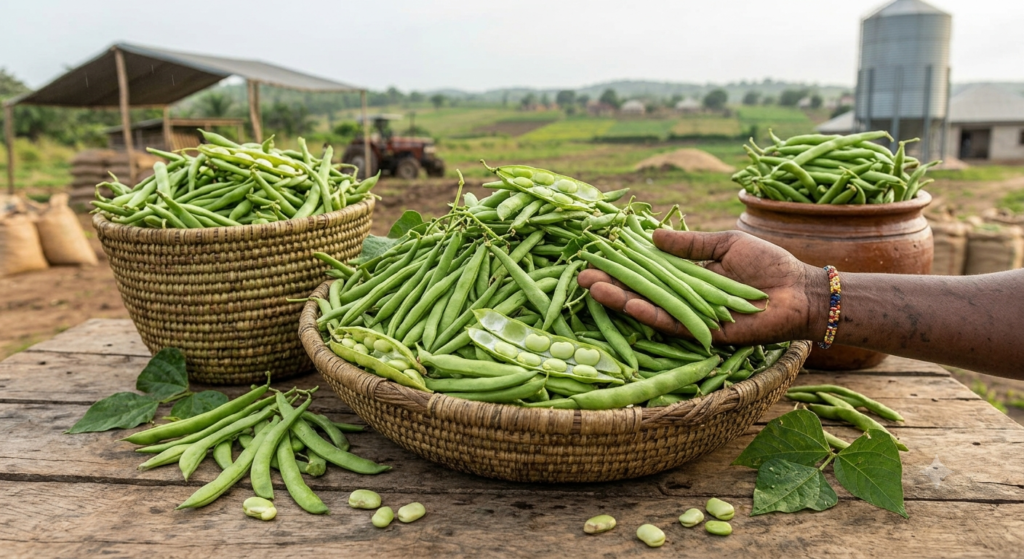
Fresh beans are harvested while the pods or seeds are immature.
They are generally consumed as vegetables.
Green beans are a common example.
Processing Beans
Some bean varieties are particularly suitable for processing into flour, paste, canned products, snacks, or other food products.
Processors often consider seed size, moisture content, colour, cooking time, texture, and yield when selecting varieties.
Nutritional Benefits of Beans
Beans are nutritionally valuable foods and can contribute to a healthy diet when properly prepared and consumed as part of a balanced eating pattern.
Beans Provide Plant Protein
Protein is required by the body for growth, repair, and maintenance.
Beans provide plant-based protein, making them particularly valuable for people who eat limited amounts of animal products.
Combining beans with grains such as rice, maize, millet, or other cereals can provide complementary sources of nutrients.
Beans Are Rich in Dietary Fibre
Many beans contain significant amounts of dietary fibre.
Fibre contributes to digestive health and can help people feel full after eating.
Regular consumption of fibre-rich foods can form part of a healthy diet.
Beans Provide Complex Carbohydrates
Beans contain carbohydrates that provide energy.
Unlike highly refined carbohydrate foods, beans also provide protein, fibre, vitamins, and minerals.
Beans Provide Important Minerals
Depending on the variety, beans can contribute minerals such as iron, magnesium, potassium, phosphorus, zinc, and other micronutrients.
The exact nutrient composition varies between bean species and varieties.
Beans Contain Vitamins
Beans provide several vitamins, including different B vitamins.
The amount varies depending on the type of bean, growing conditions, processing, storage, and cooking method.
Are Beans Good for Weight Management?
Beans can be included in a healthy diet for people managing their weight.
Their combination of protein and dietary fibre can contribute to satiety, which may help reduce unnecessary snacking.
However, the overall preparation method matters. Beans prepared with excessive amounts of oil, salt, sugar, or high-calorie ingredients may have a very different nutritional profile from simply cooked beans.
A balanced diet, appropriate portion sizes, and physical activity remain important.
Health Considerations When Eating Beans
Although beans are nutritious, some people may experience digestive discomfort after eating them.
Common complaints include gas, bloating, and abdominal discomfort.
This is partly associated with certain carbohydrates and fibres that are fermented by bacteria in the large intestine.
Gradually increasing bean consumption, drinking sufficient water, and using appropriate preparation methods may help some people tolerate beans better.
Dry beans should also be prepared safely. Certain varieties contain naturally occurring compounds that can cause illness when beans are eaten raw or inadequately cooked.
Proper soaking and thorough cooking are important for many dry beans.
How to Prepare Dry Beans
Preparation varies depending on the variety.
A common method involves sorting the beans to remove stones, damaged grains, and other foreign materials.
The beans are then washed thoroughly.
Some people soak dry beans before cooking. Soaking can reduce cooking time and may help soften the seeds.
After soaking, the water can be discarded and the beans cooked in fresh water until they are completely tender.
Beans should be cooked thoroughly rather than consumed raw or partially cooked.
Uses of Beans
Beans are among the most versatile food crops available.
Boiled Beans
Simple boiled beans are widely consumed across Africa.
They can be eaten alone or combined with ingredients such as tomatoes, onions, peppers, vegetables, fish, meat, eggs, or plantain.
Bean Porridge
Bean porridge is popular in several African countries.
Beans are cooked until soft and combined with ingredients such as palm oil, vegetables, pepper, onions, and seasonings.
Akara
Akara is a popular West African food made primarily from ground beans.
The beans are processed into a paste and mixed with appropriate ingredients before frying.
Akara can be eaten as breakfast, a snack, or part of a larger meal.
Moi Moi
Moi moi is another popular West African bean-based food.
It is made from processed beans and may contain ingredients such as pepper, onions, oil, fish, eggs, or other additions.
The mixture is traditionally steamed until firm.
Bean Flour
Beans can be dried and milled into flour.
Bean flour can be used in food manufacturing and household cooking.
It can be incorporated into various products depending on the variety and processing method.
Animal Feed
Some legumes and their by-products can be used as components of animal feed.
However, appropriate processing and formulation are important to ensure that feed is nutritionally suitable and safe.
Beans Farming
Beans farming can be an attractive agricultural enterprise when the farmer selects an appropriate variety and uses suitable production practices.
The ideal production method depends on the species, climate, soil, rainfall pattern, pests, disease pressure, and target market.
Choosing the Right Bean Variety
Farmers should not select seed simply because a variety produces large grains.
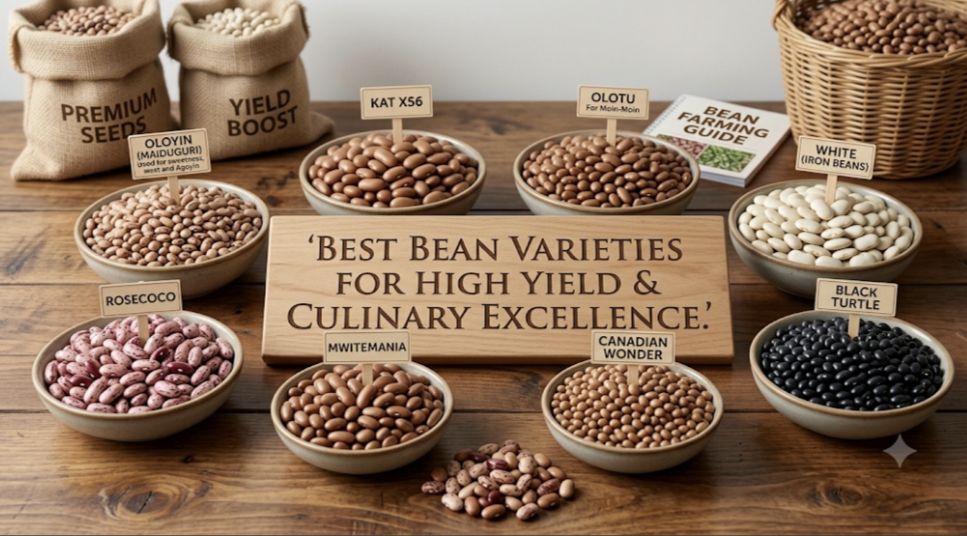
Important characteristics include:
- Maturity period
- Yield potential
- Disease resistance
- Pest resistance
- Drought tolerance
- Seed colour
- Seed size
- Market demand
- Cooking quality
- Consumer preference
- Adaptation to local climate
- Availability of quality seed
For commercial farming, market demand should be considered before planting.
A variety that produces excellent yields but has poor market demand may not be as profitable as a variety with strong consumer demand.
Suitable Soil for Beans
Beans generally perform best in fertile, well-drained soils.
Waterlogged conditions can damage roots and encourage disease.
Before planting, farmers should assess soil fertility and drainage.
Where necessary, organic matter and suitable fertilizers can be used according to soil conditions and crop requirements.
Land Preparation
Land preparation should create a suitable seedbed without unnecessarily destroying soil structure.
Depending on the farming system, land can be prepared manually, mechanically, or through conservation agriculture methods.
The objective is to provide suitable conditions for germination, root development, weed management, and crop establishment.
Planting Beans
Quality seeds should be used for planting.
Farmers should obtain seeds from reliable sources whenever possible.
Planting depth and spacing depend on the bean variety and production system.
Seeds should not be planted too deeply because poor emergence can result.
Planting should also be timed appropriately according to local rainfall conditions and the specific variety.
Water Requirements
Beans require adequate moisture for germination, vegetative growth, flowering, and grain development.
However, excessive water can create serious problems.
Waterlogging can restrict oxygen around the roots and increase disease risks.
In rain-fed production, planting should be aligned with a suitable rainfall window.
Where irrigation is available, water should be managed according to crop requirements and soil conditions.
Weed Management
Weeds compete with beans for water, nutrients, sunlight, and space.
Early weed control is particularly important because young bean plants can be easily suppressed by aggressive weeds.
Farmers can use manual weeding, mechanical methods, mulching, or registered herbicides where appropriate.
Any pesticide or herbicide should be used strictly according to its approved label and local agricultural regulations.
Fertilizer Management
Beans require nutrients for healthy growth and grain production.
Soil testing can help determine nutrient requirements.
Excessive fertilizer application is not necessarily beneficial and can waste money or cause environmental problems.
Farmers should consider soil fertility, previous crops, organic matter, and the specific nutrient requirements of the selected bean variety.
Because legumes can form associations with nitrogen-fixing bacteria, their nitrogen requirements may differ from those of some non-leguminous crops.
Common Pests of Beans
Bean crops can be attacked by several pests.
Examples include aphids, pod-sucking insects, bean beetles, thrips, and storage pests.
Pest pressure varies according to location, season, variety, and farming system.
Integrated pest management is generally preferable to relying entirely on pesticides.
Farmers should regularly inspect their fields and identify pests correctly before treatment.
Common Diseases of Beans
Beans can suffer from fungal, bacterial, viral, and other diseases.
Disease symptoms may include leaf spots, yellowing, wilting, stunting, pod damage, and poor grain development.
Good agricultural practices can help reduce disease pressure.
These include using healthy seed, crop rotation, suitable spacing, field sanitation, proper weed management, and selecting resistant or tolerant varieties where available.
Harvesting Beans
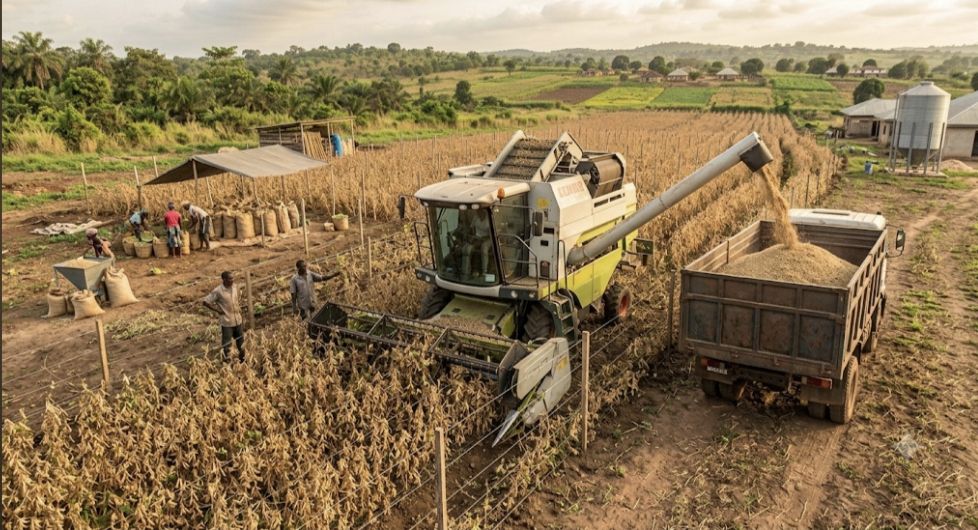
Harvesting time depends on whether the crop is intended for fresh consumption or dry grain.
Fresh beans should be harvested while the pods are tender.
Dry beans are harvested when the pods and seeds have matured and reached the appropriate stage for drying.
Harvesting too early can result in immature grains, while harvesting too late may increase shattering, pest damage, and field losses.
Drying Beans After Harvest
Proper drying is important for safe storage.
Beans should be dried to a sufficiently low moisture level before long-term storage.
Farmers can dry beans under clean and suitable conditions, protecting the grains from rain, animals, contamination, and excessive moisture.
Inadequate drying can encourage mould growth and spoilage.
Storage of Beans
Beans can be damaged by insects, moisture, rodents, mould, and poor storage conditions.
Storage containers should be clean, dry, and suitable for grain storage.
Traditional storage methods can be effective when properly managed, but modern hermetic storage systems can offer additional protection against insect infestation by limiting oxygen availability.
Farmers should inspect stored beans regularly.
Bean Storage Pests
One major challenge in dry bean storage is insect infestation.
Bean weevils and related storage pests can damage grains by feeding inside or outside the seeds.
Infested grains may lose weight, quality, germination ability, and market value.
Farmers should therefore take preventive measures before storing large quantities of beans.
Commercial Importance of Beans
Beans represent an important agricultural commodity.
They are traded locally, regionally, and internationally.
The bean value chain includes:
Seed production → farming → harvesting → drying → storage → transportation → processing → wholesaling → retailing → consumption.
Each stage creates opportunities for employment and income.
Farmers can sell directly to consumers, local traders, aggregators, processors, wholesalers, or institutions depending on market conditions.
Bean Processing and Value Addition
Value addition can increase the economic value of beans.
Examples include:
- Bean flour
- Bean paste
- Packaged cooked beans
- Canned beans
- Bean snacks
- Bean-based convenience foods
- Cleaned and packaged dry beans
Food processors can also develop branded products targeting urban consumers who prefer convenient foods.
Opportunities in Bean Farming Business
Bean farming can provide opportunities for smallholder and commercial farmers.
However, profitability depends on factors such as:
- Seed cost
- Land preparation cost
- Labour
- Fertilizer
- Crop protection
- Irrigation
- Transportation
- Storage
- Market price
- Yield
- Post-harvest losses
Farmers should prepare a budget before planting.
Beans and Crop Rotation
Beans can be incorporated into crop rotation systems.
Rotating legumes with cereal crops can provide agronomic benefits, particularly because legumes interact with soil microorganisms capable of fixing atmospheric nitrogen.
However, farmers should not assume that every bean crop will automatically supply enough nitrogen to eliminate fertilizer requirements.
Soil fertility management should be based on the actual condition of the field.
Beans Intercropping
Beans can be intercropped with crops such as maize, cassava, sorghum, millet, and other crops.
Intercropping can help farmers make better use of available land and may provide multiple products from the same field.
However, plant population, spacing, competition, maturity period, and management requirements must be carefully considered.
Difference Between Beans and Other Legumes
The term "beans" is sometimes used broadly.
Legumes include many crops such as:
- Beans
- Peas
- Lentils
- Chickpeas
- Cowpeas
- Soybeans
- Groundnuts
- Bambara groundnuts
- Faba beans
Not all legumes are botanically classified as common beans.
For example, the common bean belongs to Phaseolus vulgaris, while cowpea belongs to Vigna unguiculata and soybean belongs to Glycine max.
Nevertheless, all are important members of the broader legume family.
Common Types of Beans in Nigeria
Nigeria has a large and diverse market for beans.
Cowpea is particularly important and is widely grown and consumed.
Different local markets may have preferences for specific grain colours and sizes.
Popular beans sold in Nigerian markets may include varieties with white, brown, cream, red, and black-eyed appearances.
The term "beans" in everyday Nigerian usage often refers specifically to cowpea rather than all bean species.
This distinction is important when discussing agricultural production.
Best Beans for Farmers in Africa
There is no single bean variety that is best for every farmer.
The most suitable variety depends on the location.
Farmers should consider:
Climate: Choose varieties adapted to the local climate.
Rainfall: Short-duration varieties may be useful in areas with shorter rainfall periods.
Soil: Select varieties that perform well under the local soil conditions.
Pests and diseases: Resistant or tolerant varieties can reduce production risks.
Market: Grow varieties demanded by consumers and traders.
Yield: Consider yield potential under local conditions rather than relying only on advertised figures.
Maturity: Early-maturing varieties can sometimes provide advantages where the growing season is short.
How to Choose Quality Bean Seeds
Good seed is one of the foundations of successful bean production.
Farmers should look for seeds that are:
- Clean
- Healthy
- Properly dried
- Free from insects
- Free from mould
- Free from excessive physical damage
- Suitable for the intended production environment
- Obtained from a trustworthy source
Poor-quality seed can result in low germination and weak plant establishment.
Organic Beans Farming
Organic bean farming focuses on reducing reliance on synthetic agricultural inputs and emphasizes soil health, biological pest management, organic fertilizers, and environmentally responsible production.
Organic production can be attractive where consumers are willing to pay premium prices.
However, farmers seeking organic certification must comply with the relevant certification standards.
Challenges Facing Bean Farmers
Bean production is associated with several challenges.
Pest Attacks
Insects can reduce yields significantly, especially when crops are not monitored.
Disease
Disease outbreaks can cause serious losses.
Climate Variability
Irregular rainfall, excessive heat, drought, flooding, and changing weather patterns can affect bean production.
High Input Costs
Seed, fertilizer, labour, pesticides, machinery, and transportation can increase production costs.
Post-Harvest Losses
Poor drying and storage can lead to significant losses.
Price Fluctuations
Bean prices can change depending on supply, demand, harvest periods, transportation costs, and other market factors.
How Climate Affects Bean Production
Beans are sensitive to environmental conditions.
Extreme heat can interfere with flowering and grain formation in some varieties.
Excessive rainfall can increase disease pressure and create waterlogging problems.
Drought can reduce growth and yield.
Farmers can reduce some climate-related risks by selecting suitable varieties, planting at the appropriate time, improving soil health, using water-management practices, and adopting climate-smart agricultural methods.
How to Increase Bean Yield
Farmers seeking higher yields should focus on the entire production system rather than one practice.
Important strategies include:
- Use quality seed.
- Select a variety adapted to the area.
- Prepare the field properly.
- Plant at the recommended time.
- Maintain appropriate spacing.
- Control weeds early.
- Monitor pests regularly.
- Manage diseases promptly.
- Maintain soil fertility.
- Harvest at the appropriate stage.
- Dry grains properly.
- Reduce storage losses.
High yields are usually the result of several good practices working together.
How to Reduce Post-Harvest Losses in Beans
Post-harvest management is just as important as production.
Farmers should harvest at the right maturity stage, thresh carefully, dry the grains properly, remove damaged seeds, and store them in appropriate containers.
Reducing mechanical damage during harvesting and threshing can also improve grain quality.
Clean storage facilities can help reduce contamination and pest problems.
Beans as a Food Security Crop
Beans contribute significantly to food security because they provide food and nutrients and can be produced by smallholder farmers.
Their relatively short production cycles can allow farmers to harvest within the same agricultural season.
When integrated with cereals and other crops, beans can contribute to diversified household food supplies.
Beans for Small-Scale Farmers
Small-scale farmers can grow beans for household consumption, commercial sale, or both.
A farmer can reserve part of the harvest for household food and sell the remaining quantity to generate income.
This dual purpose makes beans attractive to many farming households.
Beans for Commercial Agriculture
Commercial bean farming requires greater attention to production planning, quality control, market access, storage, and record keeping.
Large-scale farmers should identify their target market before planting.
They should also calculate expected production costs and establish relationships with potential buyers.
Contract farming and aggregation arrangements may provide additional marketing opportunities where reliable buyers are available.
How to Make Money from Beans
There are several ways to generate income from the bean value chain.
Bean Production
Farmers can cultivate beans and sell the harvested grain.
Seed Business
Qualified agricultural entrepreneurs can participate in certified seed production where regulations and technical requirements are met.
Bean Aggregation
Traders can purchase beans from several farmers and aggregate larger quantities for processors or wholesalers.
Bean Processing
Entrepreneurs can produce bean flour, paste, snacks, or other value-added products.
Bean Retailing
Clean, sorted, and packaged beans can be sold directly to consumers.
Food Businesses
Beans can serve as a raw material for restaurants, caterers, food vendors, and packaged-food businesses.
Environmental Benefits of Legumes
Legumes can contribute to sustainable agriculture.
Through their relationship with nitrogen-fixing microorganisms, legumes can contribute to nitrogen cycling in agricultural systems.
Crop rotation involving legumes can also help diversify farming systems.
However, environmental benefits depend on proper management and the broader farming system.
Frequently Asked Questions About Beans
What are the main types of beans?
There are many types of beans, including cowpeas, kidney beans, black beans, pinto beans, navy beans, lima beans, mung beans, adzuki beans, fava beans, green beans, runner beans, and other varieties.
Which type of beans is most common in Nigeria?
Cowpea is one of the most widely consumed and important bean-type crops in Nigeria. It is commonly called beans in everyday Nigerian usage.
Are beans a good source of protein?
Yes. Beans contain plant-based protein and can contribute significantly to dietary protein intake.
Can beans be grown in Africa?
Yes. Many bean and legume species are grown successfully in different parts of Africa. The appropriate variety depends on local climate, soil, rainfall, pest pressure, and market demand.
How long does beans farming take?
The production period varies considerably by species and variety. Some varieties mature relatively quickly, while others require a longer growing period.
Can beans be planted with maize?
Yes. Beans can be intercropped with maize in many farming systems. However, spacing, variety selection, plant population, and nutrient requirements should be considered.
What colour of beans is best?
There is no universally "best" colour of beans. Consumer preference, cooking quality, nutritional composition, variety, and market demand are more important considerations.
Can beans be stored for a long time?
Yes. Properly dried beans can be stored for extended periods when protected from moisture, insects, rodents, and contamination.
Why do beans cause gas?
Beans contain certain carbohydrates and fibres that are fermented by intestinal bacteria. This fermentation can produce gas in some people.
Should dry beans be soaked before cooking?
Soaking can help soften beans and reduce cooking time for many varieties. However, preparation requirements vary among bean types.
Can raw beans be eaten?
Many dry beans should not be eaten raw. Some contain naturally occurring compounds that can cause illness when beans are inadequately cooked. Proper cooking is important.
Conclusion
Beans are among the world's most valuable food legumes, providing food, nutrients, income, and agricultural opportunities for millions of people.
There are numerous types of beans, and they differ in species, seed colour, size, shape, maturity period, taste, texture, nutritional characteristics, and uses. Cowpea is particularly important in Africa and is widely grown and consumed in Nigeria, while kidney beans, black beans, pinto beans, navy beans, lima beans, mung beans, adzuki beans, fava beans, green beans, and several other types are important in different regions around the world.
For consumers, beans provide an affordable and versatile source of plant-based protein, dietary fibre, carbohydrates, vitamins, and minerals. They can be boiled, processed into flour, made into traditional foods, incorporated into soups and stews, or sold as fresh vegetables depending on the variety.
For farmers, beans can be an attractive crop when the right variety is selected and appropriate production practices are followed. Successful bean farming requires quality seed, suitable soil, proper planting, weed management, pest and disease monitoring, good harvesting practices, proper drying, and effective storage.
The commercial opportunities extend beyond farming. Bean aggregation, seed production, processing, packaging, transportation, retailing, and food businesses all form part of the bean value chain.
As demand for affordable, nutritious, plant-based foods continues to grow, beans are likely to remain an important component of food systems in Africa and around the world.
For farmers considering bean production, the most important lesson is that there is no single bean variety that is best for every location. The right choice should be based on local climate, soil, production season, pest and disease conditions, consumer preference, market demand, available inputs, and expected profitability.
Whether you are a farmer looking for a profitable crop, a consumer interested in nutrition, a student researching agriculture, or an entrepreneur exploring food processing, understanding beans and their different types provides a strong foundation for making better agricultural and food-related decisions.
Read more;
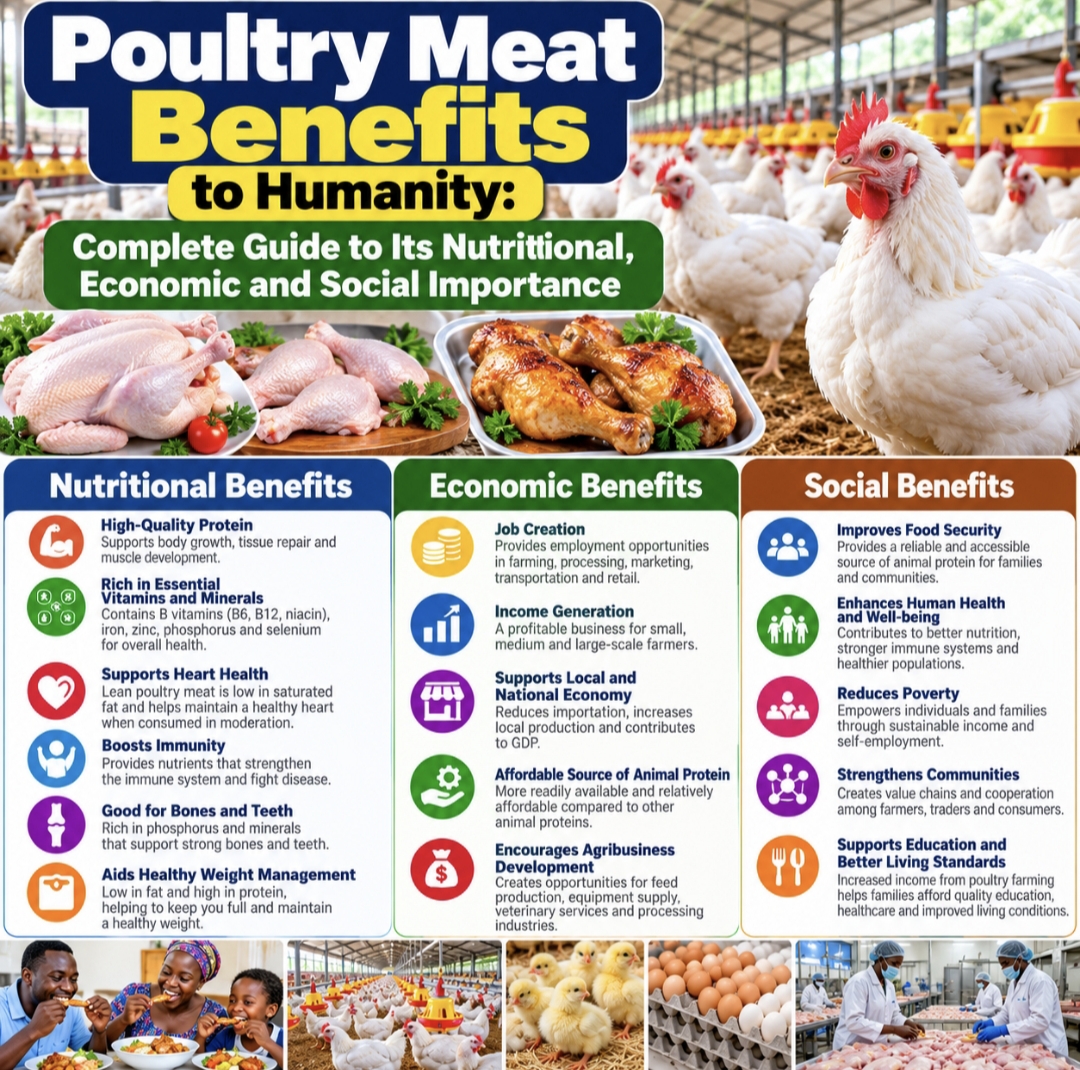
- Poultry Meat Benefits to Humanity: Complete Guide to Its Nutritional, Economic and Social Importance
- Tilapia Farming: Complete Guide to Raising Tilapia for Commercial Production

- Fish Pond Construction: Complete Guide to Designing and Building a Modern Fish Pond

- Grazing Livestock Farming Business: Complete Guide to Starting and Making Profit

- Commercial Cattle Farming: Complete Guide to Raising Cattle for Profit

- Goat Farming Business: Complete Guide to Meat and Breeding Production
- Sheep Farming: Complete Guide to Raising Sheep for Commercial Profit

- Modern Pasture Farming: How to Grow High-Quality Livestock Feed