Summary
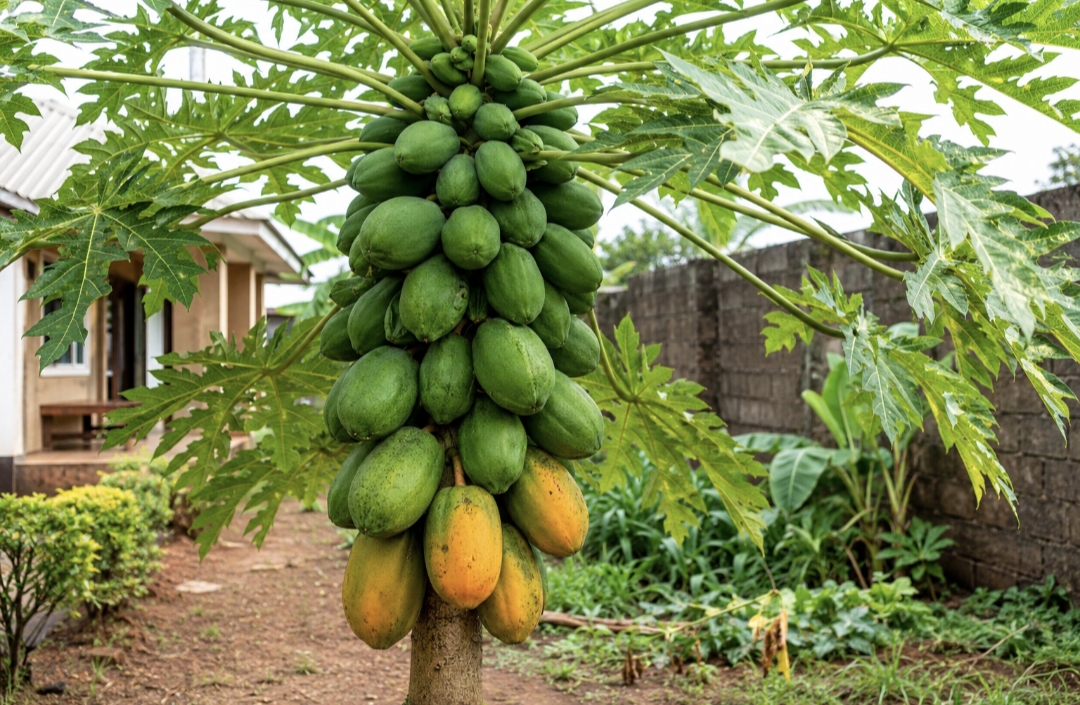
Pawpaw, also known as papaya, is one of the easiest and most rewarding fruit crops to grow in a home compound. With good sunlight, fertile soil, proper watering, and basic care, a single healthy pawpaw plant can begin producing fruits within 6 to 12 months after planting.
Growing pawpaw at home provides more than fresh fruits for your family. It can beautify your compound, provide a regular supply of nutritious fruits, and even become a small source of income when several plants are grown successfully.
Pawpaw grows well in tropical and subtropical regions, making it particularly suitable for Nigeria and many other African countries. Whether you have a large backyard, small garden, or unused space around your house, you can successfully grow pawpaw with the right techniques.
In this complete guide, you will learn how to grow pawpaw in your compound from seed selection and planting to watering, fertilization, pest control, harvesting, and maintenance.
Why Grow Pawpaw in Your Compound?
Pawpaw is an excellent fruit tree for home gardens because it grows relatively fast compared to many other fruit trees. Unlike mango, orange, or avocado trees that may take several years to produce fruits, pawpaw can begin flowering and fruiting within the first year.
Some major benefits of growing pawpaw at home include:
- Fast growth and early fruit production
- Easy to grow in tropical climates
- Requires relatively little space
- Produces nutritious fruits
- Can be grown from seeds
- Provides fruits for household consumption
- Can generate additional income
- Helps beautify the home environment
- Leaves and fruits have several traditional and nutritional uses
Pawpaw fruits are rich in vitamins, antioxidants, dietary fibre, and other important nutrients. Regular consumption of ripe pawpaw can be part of a healthy diet.
Best Climate for Growing Pawpaw
Pawpaw grows best in warm climates with plenty of sunshine. It is a tropical plant and performs well in areas with consistently warm temperatures.
The ideal conditions for pawpaw production include:
- Warm temperatures between 21°C and 33°C
- Plenty of sunlight
- Moderate and well-distributed rainfall
- Protection from strong winds
- Well-drained fertile soil
Pawpaw plants require adequate sunlight for healthy growth and fruit production. Therefore, avoid planting them under large trees or close to buildings where they will receive too much shade.
In Nigeria, pawpaw can grow successfully in many regions provided there is good soil, adequate water, and proper management.
Choosing the Right Location in Your Compound
Location is one of the most important factors to consider before planting pawpaw. The plant needs enough sunlight and space to develop properly.
Choose an open area in your compound that receives at least six hours of direct sunlight daily.
Avoid areas with standing water because pawpaw roots are highly sensitive to waterlogging. Excess water around the roots can cause root rot and eventually kill the plant.
A good location should have:
- Adequate sunlight
- Well-drained soil
- Good air circulation
- Protection from flooding
- Enough space between plants
- Easy access to water
Avoid planting pawpaw too close to the foundation of your house, drainage channels, or septic systems. Leave enough space for the plant to grow and for easy harvesting.
Best Soil for Growing Pawpaw
Pawpaw grows best in fertile, loose, and well-drained soil. Sandy loam and loamy soils are generally suitable for successful cultivation.
Heavy clay soils can create drainage problems, especially during the rainy season. If your compound has heavy soil, improve it by adding organic materials such as:
- Well-rotted animal manure
- Compost
- Poultry manure
- Dry leaves
- Organic household compost
The ideal soil should retain enough moisture without becoming waterlogged.
Before planting, remove stones, weeds, plastics, and other materials that may interfere with root development.
How to Get Pawpaw Seeds for Planting
There are two major ways to obtain pawpaw planting materials. You can either buy improved seeds from a reliable agricultural supplier or collect seeds from healthy ripe pawpaw fruits.
For better productivity, improved or high-quality seeds are recommended. Seeds collected from healthy and productive plants can also be used for home gardening.
When selecting fruits for seeds, choose fruits from plants that have:
- Good fruit size
- Healthy growth
- High productivity
- Good disease resistance
- Sweet and attractive fruits
Avoid collecting seeds from weak or diseased plants.
How to Prepare Pawpaw Seeds Before Planting
Fresh pawpaw seeds are covered with a gelatinous coating. This coating should be removed before planting.
To prepare the seeds:
- Cut a ripe pawpaw fruit.
- Remove the seeds.
- Place the seeds in a container.
- Wash them gently with clean water.
- Rub the seeds lightly to remove the slippery coating.
- Spread the seeds in a shaded and well-ventilated place.
- Allow them to dry for a short period before planting.
Do not expose the seeds to excessive heat or strong direct sunlight for a long period.
Fresh seeds generally germinate well when planted under suitable conditions.
How to Prepare the Land or Planting Area
Before planting, clear the selected area and remove weeds.
For backyard cultivation, you do not need to cultivate a large farm. Simply prepare individual planting holes.
Dig holes approximately:
- 45 cm wide
- 45 cm long
- 45 cm deep
Allow the holes to remain open for several days if possible.
Mix the topsoil with well-decomposed organic manure or compost. This will improve soil fertility and support early plant growth.
Avoid applying fresh animal manure directly into the planting hole because fresh manure can damage young roots.
Best Spacing for Pawpaw in Your Compound
Proper spacing allows pawpaw plants to receive enough sunlight and air circulation.
For home gardening, a spacing of approximately:
2 metres × 2 metres
or
2.5 metres × 2.5 metres
is generally suitable.
If you only want to grow a few plants, ensure they are not overcrowded.
Proper spacing helps reduce competition for nutrients and makes it easier to inspect, weed, water, and harvest the plants.
How to Plant Pawpaw Seeds Directly
One simple method of growing pawpaw is direct seeding.
Place multiple seeds in each prepared planting hole because not every seed may germinate or develop into a productive female or hermaphrodite plant.
Follow these steps:
- Prepare the planting hole.
- Mix the soil with compost or well-rotted manure.
- Plant 3 to 5 seeds in each hole.
- Cover the seeds lightly with soil.
- Water gently after planting.
- Keep the soil moist but not waterlogged.
After germination and early growth, weak plants can be removed, leaving the strongest and most productive plants.
Raising Pawpaw Seedlings in a Nursery
Another method is to raise seedlings first before transplanting them into the compound.
You can use:
- Nursery bags
- Small containers
- Seed trays
- Recycled containers with drainage holes
Fill the containers with fertile soil mixed with compost.
Plant one or two seeds per container and water lightly.
Place the nursery in an area where the seedlings receive sufficient sunlight but are protected from extremely heavy rainfall.
Seedlings are usually ready for transplanting when they are strong and have developed several healthy leaves.
How to Transplant Pawpaw Seedlings
Transplanting should be done carefully to avoid damaging the roots.
The best time to transplant is during the early morning or late afternoon when temperatures are cooler.
Follow these steps:
- Water the seedlings before transplanting.
- Prepare the planting hole.
- Carefully remove the seedling without breaking the roots.
- Place the seedling upright in the hole.
- Cover the roots with soil.
- Press the soil gently around the plant.
- Water immediately after transplanting.
Young pawpaw plants require careful attention during the first few weeks after transplanting.
Watering Pawpaw Plants
Pawpaw requires regular moisture for healthy growth and fruit production. However, excessive watering can cause serious problems.
Water young plants regularly, especially during dry periods.
The frequency of watering depends on:
- Rainfall
- Soil type
- Plant age
- Temperature
- Season
During the dry season, pawpaw plants may require watering several times per week.
Avoid allowing water to remain around the base of the plant for long periods.
Good drainage is essential because waterlogging can cause root diseases.
Applying Fertilizer and Organic Manure
Pawpaw is a fast-growing and heavy-feeding plant. It requires adequate nutrients to produce healthy leaves, flowers, and fruits.
Organic manure such as compost and well-decomposed poultry manure can be applied around the plants.
Apply manure several centimetres away from the stem rather than placing it directly against the plant.
NPK fertilizers may also be used carefully when necessary.
Important nutrients for pawpaw growth include:
- Nitrogen for leaf and vegetative growth
- Phosphorus for root development
- Potassium for flowering and fruit development
Avoid excessive fertilizer application because too much fertilizer can damage the roots and negatively affect plant growth.
For backyard production, regular application of compost and organic manure can significantly improve soil fertility.
Mulching Around Pawpaw Plants
Mulching is highly beneficial when growing pawpaw in your compound.
Mulching materials may include:
- Dry grass
- Dry leaves
- Straw
- Organic plant materials
Spread the mulch around the plant but avoid placing it directly against the stem.
Mulching helps:
- Preserve soil moisture
- Reduce weed growth
- Improve soil structure
- Protect the soil from excessive heat
- Add organic matter as it decomposes
Mulching is particularly useful during the dry season.
Weed Control in Pawpaw Production
Weeds compete with pawpaw plants for water, nutrients, sunlight, and space.
Regularly remove weeds around young plants.
Hand weeding is usually sufficient for a small home garden.
Avoid using sharp tools too close to the plant because pawpaw has relatively shallow roots that can easily be damaged.
Combining mulching with regular hand weeding can significantly reduce weed problems.
Understanding Male, Female and Hermaphrodite Pawpaw Plants
One important aspect of growing pawpaw from seeds is that plants can develop into different sexes.
Pawpaw plants may be:
- Male plants
- Female plants
- Hermaphrodite plants
Male plants mainly produce flowers and generally do not produce edible fruits.
Female plants require pollination to produce fruits.
Hermaphrodite plants contain both male and female reproductive structures and are capable of producing fruits.
For this reason, planting multiple seeds initially can increase the chances of obtaining productive plants.
After flowering, you can identify and retain productive plants while removing unnecessary male plants if space is limited.
How to Identify Pawpaw Flowers
Pawpaw flowers usually appear several months after planting.
Male flowers often grow in clusters on long hanging stalks.
Female flowers are usually larger and closer to the main stem.
Hermaphrodite flowers have characteristics of both male and female reproductive structures.
Understanding the flowering pattern can help home gardeners manage their pawpaw plants more effectively.
Common Pests of Pawpaw
Pawpaw plants can be attacked by different insect pests.
Common pests may include:
- Aphids
- Whiteflies
- Fruit flies
- Mites
- Mealybugs
These pests may damage leaves, flowers, and fruits.
To reduce pest problems:
- Keep the garden clean.
- Remove heavily infected leaves.
- Avoid overcrowding.
- Monitor plants regularly.
- Use appropriate agricultural pest-control methods when necessary.
For home gardening, early detection is important. Inspect your plants regularly so pest problems can be controlled before they become severe.
Common Diseases of Pawpaw
Pawpaw can be affected by fungal, bacterial, and viral diseases.
Common symptoms include:
- Yellow leaves
- Leaf spots
- Stunted growth
- Wilting
- Rotting fruits
- Distorted leaves
One of the best ways to reduce disease problems is prevention.
Maintain good sanitation by removing diseased leaves and fruits from the garden.
Avoid excessive watering and ensure good drainage.
Always use healthy planting materials.
If a plant is severely infected with a contagious disease, removing it may help protect nearby plants.
How to Prevent Root Rot in Pawpaw
Root rot is one of the major problems that can affect pawpaw plants, particularly in poorly drained soil.
To prevent root rot:
- Plant in well-drained soil.
- Avoid excessive watering.
- Do not plant in areas prone to flooding.
- Improve heavy soil with organic matter.
- Avoid damaging the roots.
- Keep the planting area clean.
If your compound experiences heavy flooding during the rainy season, consider planting pawpaw on raised beds or raised mounds.
Supporting Pawpaw Plants
Pawpaw plants can become heavy when they begin carrying multiple large fruits.
Strong winds may cause weak plants to bend or break.
You can provide temporary support using strong stakes where necessary.
This is particularly important in exposed areas with strong winds.
However, avoid tying the stem too tightly because this can damage the plant.
How Long Does Pawpaw Take to Produce Fruits?
Under good growing conditions, pawpaw can begin flowering within a few months after planting.
Fruit production may begin approximately:
6 to 12 months after planting
depending on the variety, climate, soil fertility, and management practices.
Improved varieties grown under good conditions may produce earlier than poorly managed plants.
Regular watering, adequate nutrition, sunlight, and pest management can encourage faster and healthier development.
How to Care for Pawpaw During Flowering and Fruiting
The flowering and fruiting stage is critical for pawpaw production.
During this period, ensure the plants receive:
- Adequate water
- Sufficient nutrients
- Good sunlight
- Proper pest management
- Protection from strong winds
Do not allow the plants to suffer prolonged drought stress because this may affect flower and fruit development.
Continue monitoring the plants for diseases and insect pests.
Remove damaged or diseased fruits to maintain a clean growing environment.
How to Harvest Pawpaw
Pawpaw fruits should be harvested when they reach the appropriate maturity stage.
Signs that pawpaw fruits are ready for harvest include a gradual change in skin colour from deep green to yellow.
For fruits intended for immediate consumption, allow more yellow colour to develop before harvesting.
For fruits intended for transportation or short-term storage, harvest when the fruits are mature but still relatively firm.
Use a sharp knife or harvesting tool to cut the fruit carefully.
Avoid dropping the fruits because pawpaw bruises easily.
How to Store Fresh Pawpaw
Fresh pawpaw is highly perishable, especially when fully ripe.
To extend storage life:
- Harvest carefully.
- Avoid bruising.
- Keep fruits in a cool environment.
- Do not stack fruits excessively.
- Separate damaged fruits from healthy fruits.
Fully ripe pawpaw should be consumed or processed as soon as possible.
Pawpaw can also be processed into different products such as:
- Juice
- Smoothies
- Dried fruit
- Fruit salads
- Jam
- Other food products
Best Pawpaw Varieties for Home Gardening
When choosing pawpaw seeds or seedlings, consider varieties that are:
- High yielding
- Disease tolerant
- Early maturing
- Suitable for your local climate
- Known for good fruit quality
Improved varieties can offer better performance than randomly selected seeds.
When buying seeds, purchase from reputable agricultural seed suppliers or nurseries.
Ask about the variety's:
- Expected maturity period
- Fruit size
- Disease tolerance
- Yield potential
- Suitability for your location
Common Mistakes to Avoid When Growing Pawpaw
Many home gardeners experience poor results because of avoidable mistakes.
Common mistakes include:
Planting in waterlogged soil: Pawpaw roots are sensitive to excess water.
Growing plants in heavy shade: Pawpaw requires plenty of sunlight.
Overwatering: Too much water can cause root diseases.
Using poor-quality seeds: Healthy and productive plants start with quality planting materials.
Overcrowding plants: Proper spacing improves air circulation and growth.
Ignoring pests and diseases: Regular inspection helps prevent serious damage.
Applying too much fertilizer: Excess fertilizer can damage plants.
Planting too close to buildings: Pawpaw requires adequate sunlight and growing space.
Can Pawpaw Grow in Pots or Containers?
Yes, pawpaw can be grown in large containers, although growing directly in the ground is generally easier and may support better long-term development.
If growing pawpaw in a container, choose a large and deep container with good drainage holes.
Use fertile and well-drained growing media.
Container-grown pawpaw requires more frequent attention because the soil can dry out faster and nutrients may become depleted.
Place the container where the plant receives adequate sunlight.
How Many Pawpaw Trees Should You Plant?
The number of pawpaw plants you grow depends on the available space and your purpose.
For family consumption, growing 2 to 5 healthy plants can provide a regular supply of fruits.
If you have a larger compound, you can grow more plants and sell excess fruits.
Because pawpaw plants may differ in sex when grown from ordinary seeds, it is advisable to initially plant several seeds or seedlings and later retain the most productive plants.
Can Pawpaw Be Grown Together With Other Crops?
Pawpaw can be grown alongside some short-duration crops, especially when the pawpaw plants are still young.
However, avoid crops that compete heavily for nutrients and water.
Suitable companion crops may include some vegetables and legumes, depending on available space.
Ensure that companion crops do not create excessive shade around the pawpaw plants.
As the pawpaw plants grow larger, they may require more space and nutrients.
Economic Benefits of Growing Pawpaw at Home
Growing pawpaw in your compound can provide both nutritional and economic benefits.
Apart from reducing the cost of buying fruits, excess production can be sold to neighbours, local markets, fruit vendors, restaurants, and juice producers.
Pawpaw has commercial value because it is widely consumed as fresh fruit and used in food processing.
Even a small backyard pawpaw garden can become a source of supplementary income when properly managed.
Frequently Asked Questions About Growing Pawpaw
How long does pawpaw take to grow?
Pawpaw can begin producing fruits approximately 6 to 12 months after planting under favourable conditions.
Does pawpaw need a lot of water?
Pawpaw needs regular moisture but should not be overwatered. The soil must have good drainage.
Can I grow pawpaw from seeds?
Yes. Pawpaw can easily be grown from seeds collected from healthy ripe fruits or purchased from reliable seed suppliers.
Does pawpaw require full sunlight?
Yes. Pawpaw grows best in locations with plenty of direct sunlight.
Why is my pawpaw plant not producing fruits?
Possible reasons include the plant being male, poor pollination, nutrient deficiency, inadequate sunlight, drought stress, or disease problems.
Can pawpaw grow in a small compound?
Yes. Pawpaw is suitable for small compounds as long as there is sufficient sunlight, good soil, and adequate spacing.
Conclusion
Growing pawpaw in your compound is one of the easiest ways to enjoy fresh, healthy fruits directly from your home garden. The plant grows quickly, requires relatively simple management, and can begin producing fruits within the first year under favourable conditions.
To achieve the best results, choose a sunny location with fertile and well-drained soil. Use quality seeds or seedlings, provide regular watering without waterlogging, apply organic manure or appropriate fertilizer, control weeds, and monitor the plants for pests and diseases.
Whether you are growing pawpaw for family consumption, beautifying your compound, or generating extra income, proper care will significantly improve your chances of success.
Start with a few healthy plants, follow good management practices, and within a relatively short period, you can enjoy harvesting fresh pawpaw fruits directly from your compound.
Growing your own food is not only rewarding but also an excellent step towards a healthier and more sustainable lifestyle.
Read more;
- Poultry Meat Benefits to Humanity: Complete Guide to Its Nutritional, Economic and Social Importance

- Tilapia Farming: Complete Guide to Raising Tilapia for Commercial Production

- Fish Pond Construction: Complete Guide to Designing and Building a Modern Fish Pond

- Grazing Livestock Farming Business: Complete Guide to Starting and Making Profit

- Commercial Cattle Farming: Complete Guide to Raising Cattle for Profit

- Goat Farming Business: Complete Guide to Meat and Breeding Production

- Sheep Farming: Complete Guide to Raising Sheep for Commercial Profit

- Modern Pasture Farming: How to Grow High-Quality Livestock Feed